
Restoration laboratory
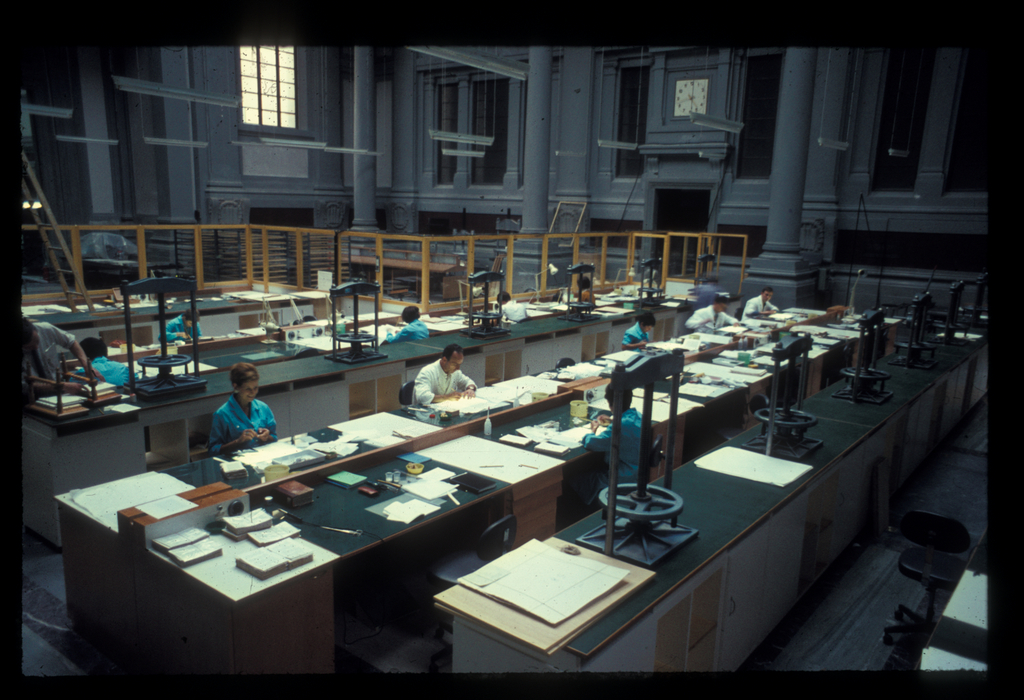
The National Central Library of Florence restoration laboratory is responsible for the activities of conservation, prevention, maintenance and restoration of the BncF’s collections of books and manuscripts ever since it was founded, in the wake of the flood of 4 November 1966, with the contribution of Italian and foreign personnel who came together in response to the emergency. Ever since the laboratory was established, its goal has been to achieve the highest standards of quality in the restoration of antique books. The laboratory is also responsible for preparing and updating the emergency programme dedicated to saving the collections, and collaborates with the Archival and Bibliographic Superintendency of Tuscany on conservation and restoration projects.
Maintenance work
In addition to the restoration of flood-damaged books, the activities of the laboratory are focused on the conservation of all the library’s collections, which include a wide range of books and other items including manuscripts and volumes printed on paper and parchment (as well as on leather, wood, fabric, metal), photographic prints, artist’s books and so on.
The progressive fall in the number of internal restorers has led to a reliance on external companies. It has also seen a call for external operators such as apprentices, volunteers and interns. As a result, the laboratory has reduced the number of direct projects conducted on books. It now focuses its efforts on planning and overseeing operations entrusted to external contractors. It also plays a role in training future restorers, welcoming young people for courses and Internships (see. other services).
The restoration laboratory is open to guided tours, which are available by reservation (see. other services).
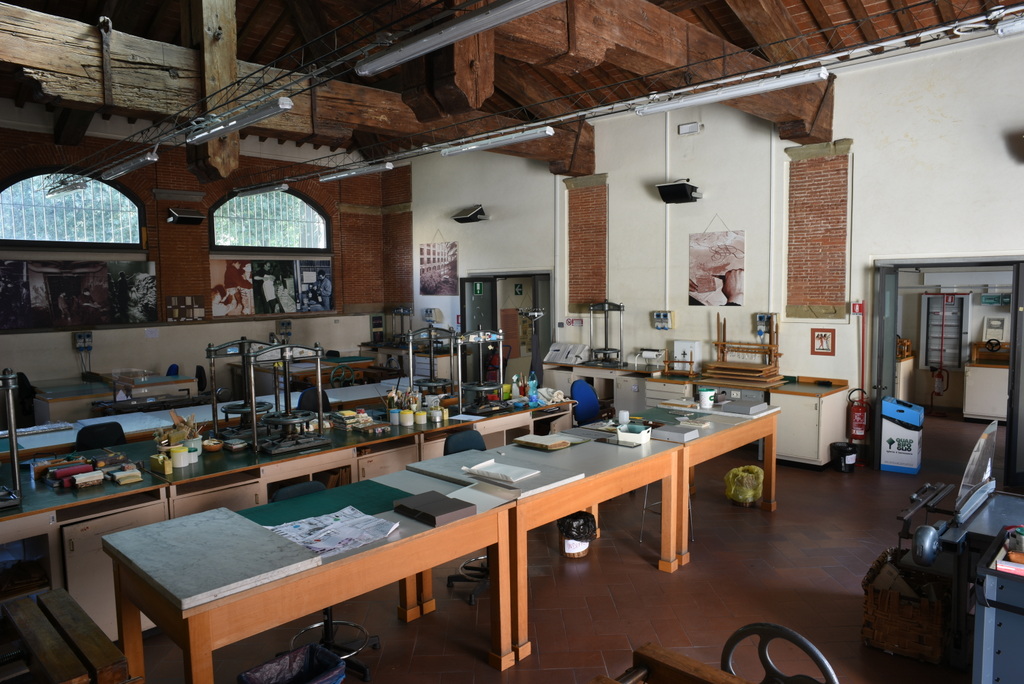
The BncF laboratory in its new location in the Sala Lorenzo
Activity
The ultimate goal of the library is the conservation of the collections in line with the broadest sense of the term as clearly defined by the Italian Code of Cultural Heritage (Legislative Decree 42/2004 as amended): “Conservation of cultural heritage shall be ensured by means of coherent, coordinated and planned activities for study, prevention, maintenance and restoration”. These activities, aimed at extending the lifespan of the collections, therefore take the form of direct restoration works conducted on individual items by qualified restorers, preventative measures, maintenance and non-destructive analysis in collaboration with research institutes.
Other services
Technical library
A specialised technical library is available for the consultation of works related to the subject of restoration, with a particular focus on the library sector. 2021 saw the successful cataloguing, classification and relabelling of all the approximately 1200 monographs from the technical restoration library, which can now be identified with the classification REST. Periodicals and other miscellaneous items related to restoration are still to be processed. The collection is due to be included in BCin shortly.
Guided tours
Guided tours of the laboratory are available by appointment (also in English). Reservations must be requested by writing to:
bnc-fi.urp@beniculturali.it
Requests must specify the number and affiliation of the people within the group, as well as provide an indication of the period in which the tour is to take place.
Volunteering and internships
Applications, which are to be submitted in writing, will be assessed by the Administration on a case-by-case basis. In general, internships entail an agreement between the library and the educational facility involved, while periods of voluntary work are agreed with the interested party, with precedence granted to those who already have experience in book restoration. The library also periodically invites applications for apprenticeships from young, qualified professionals via the Florence employment centre.
Consultation of flood-damaged material
The special collections section provides the inventories obtained through the revision of the state of the flood-damaged collections. The flood-damaged material held in S. Ambrogio is not currently available for consultation.
Consultancy and information
The restoration laboratory staff are on hand for consultancy or information regarding conservation, emergency management and the restoration of library materials.
Tools
The restoration laboratory of the National Library, in collaboration with ICPAL, contributed to the drafting of the national standard technical specifications and the creation of the relative spreadsheet. It has also published the specifications for restoration without disbinding
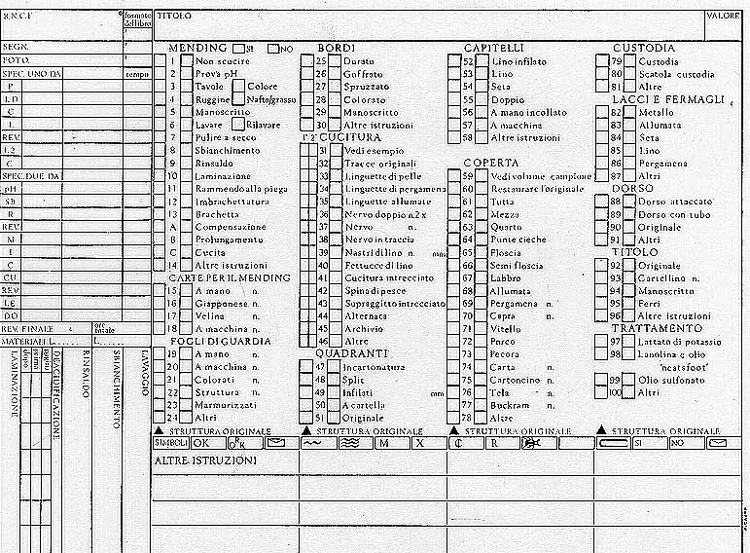
Restoration sheet models are currently available to be used in planning restoration works
- Planning form for the restoration of library materials
- BncF restoration form
- Spreadsheet for calculating timing without disbinding
The laboratory has drawn up brief standard specifications for calls for tender for dusting works.
Spreadsheets have been created for the calculation of measurements related to the construction of dedicated book storage boxes.
The laboratory has collaborated with ICPAL on the creation of a screensaver to raise awareness among users on how to properly handle library materials and on topics related to library conservation.
The laboratory has created the CercaGuasti database for the purpose of assessing the state of conservation of the collections: read the article, download the database.
Download a series of recommendations on conservation by Antonio Magliabechi.
Current collaboration projects
Soprintendenza archivistica e bibliografica della Toscana
The laboratory staff have been appointed to conduct inspections for authorisation for restoration, certification of successful book restoration, authorisation for exhibitions and loans, and assessment of state of conservation for non-State libraries in the Tuscany region.
Cedaf
The laboratory participates in the activities conducted by the scientific committee of CEDAF (Florence Flood Documentation Centre), which is currently part of the Humanities Library of the University of Florence and represents the outcome of the Florence 2016 committee, which was set up for the fiftieth anniversary of the flood. The purpose of CEDAF is to research, recover and process library information and documentation regarding the flood of 1966 in Florence.
Adesso and Talete research projects
2019 saw the funding of two research projects in collaboration with CNR (the Italian National Research Council) and the University of Florence, which were planned to remain operational into 2022. The results of the Adesso project can be seen here.
The European SafeCult project
The National Library participated as a partner, alongside a number of European universities and libraries, in the European SafeCult project, the aim of which was to construct a multidisciplinary European network for ongoing training on the risks posed by emergencies to cultural heritage, bringing together cultural heritage conservation sectors for the purpose of creating a specific risk management framework of emergency plans for joint response to natural risks. The purpose was to improve the capacity of Europe to manage emergency situations in the field of written heritage, creating an interconnected network of specialists, developing new courses on emergency management and providing participants with multidisciplinary training. The project received funding and was planned to take place in 2022 and 2023, with the library involved in training and conventions.
For past collaborations see collaborations
The aDESSO project
The aDESSO (Da ESsenziali a SOlidi) is a two-year project co-funded by the Tuscany region and the result of collaboration between the National Central Library of Florence and the CNR (Sesto Fiorentino, FI). The project involves experimentation on vegetable-origin products for the treatment of paper-based materials in historical archives.
The conservation of written heritage is often complicated by the proliferation of organisms and micro-organisms that feed on these works, causing severe damage (fig. 1). Common disinfection and disinfestation treatments can often prove invasive and highly toxic, creating a need for the development of new techniques to use in combination with or as an alternative to conventional methods.
The aim of the aDESSO project is to use products that work across a broad spectrum to create solid formulations that are easy to handle and highly stable and that can be used to combat biotic agents harmful to paper. To this end, essential oils extracted from plants, and in particular the terpenes they contain, represent a valuable resource with a wide range of organic properties, including notable antibacterial, antifungal and insect-repellent effects (fig. 2). They are, however, highly volatile, which reduces their long-term effectiveness. The aim of aDESSO was to encapsulate and therefore stabilise these substances with solid formulas to stop them from immediately evaporating, thus prolonging their effectiveness.
The project saw the production and testing of two types of formula: one with a slow-release effect and the other offering more immediate action (fig. 3). Both formulas come in powder form and were tested for their antimicrobial and insect-repellent properties through a series of laboratory trials (fig. 4). Overall, the results demonstrated significant antimicrobial action, and some of the formulas tested also showed insect-repellent properties.
Further research will allow a more precise definition of the potential uses of the products obtained with regard to the conservation of paper-based materials, with a view to providing effective and non-invasive treatment.
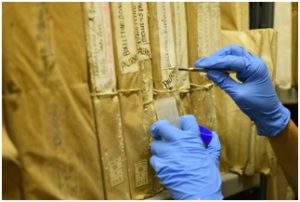
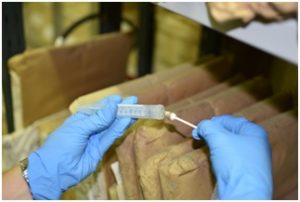
Figura 1. Campionamento di microrganismi colonizzanti materiale d’archivio.
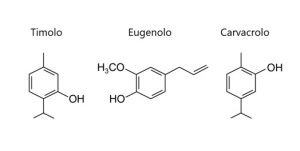
Figura 2. Costituenti terpenici utilizzati per la realizzazione di formulati solidi.
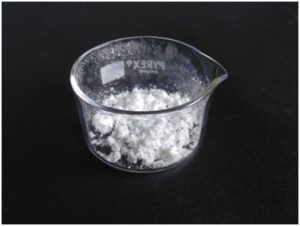
Figura 3. Formulazioni solide a base di terpeni.
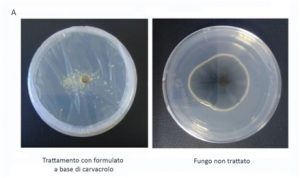
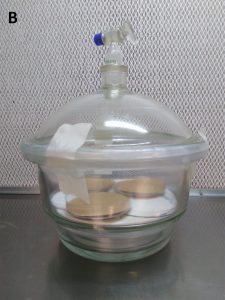
Figura 4. Test di laboratorio per la valutazione dell’efficacia dei formulati. Prove di crescita fungina in piastra (A) e prova su carta in condizioni controllate (B).
Testo e immagini a cura di Felicia Menicucci
The TALETE project
TALETE – Tutela del pAtrimonio cuLturale da evEnti esTremi di prEcipitazione – is a two-year project co-funded by the Tuscany region (European Social Fund) dedicated to higher education and research in the field of culture, the National Central Library of Florence, Opera di Santa Croce, the Cassa di Risparmio Foundation Florence, and the Department of Civil and Environmental Engineering (DICEA) at the University of Florence.
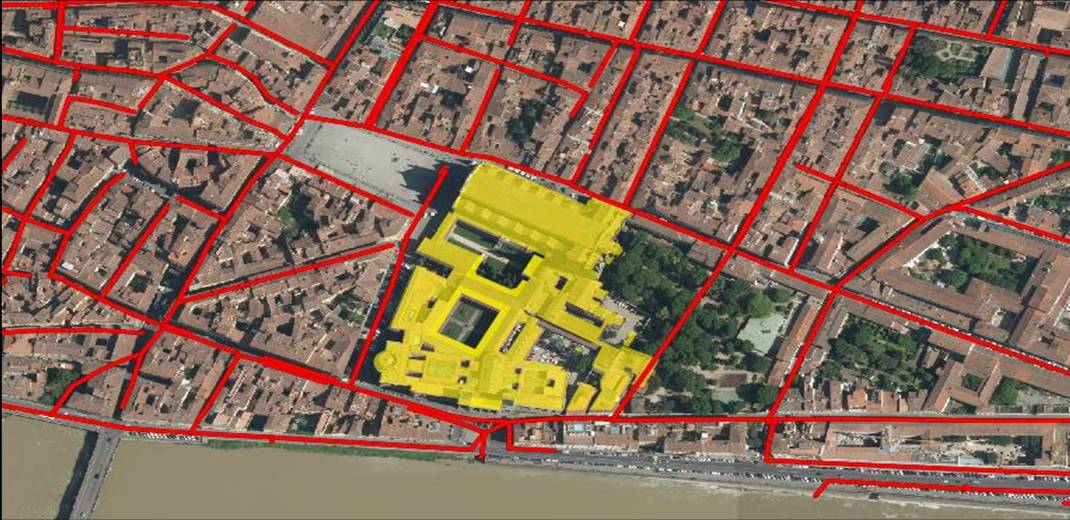
The aim of the project is to protect the cultural heritage located in the areas of the Santa Croce district most vulnerable to potential damage from pluvial floods (caused by extreme rainfall).
The project is composed of multiple phases:
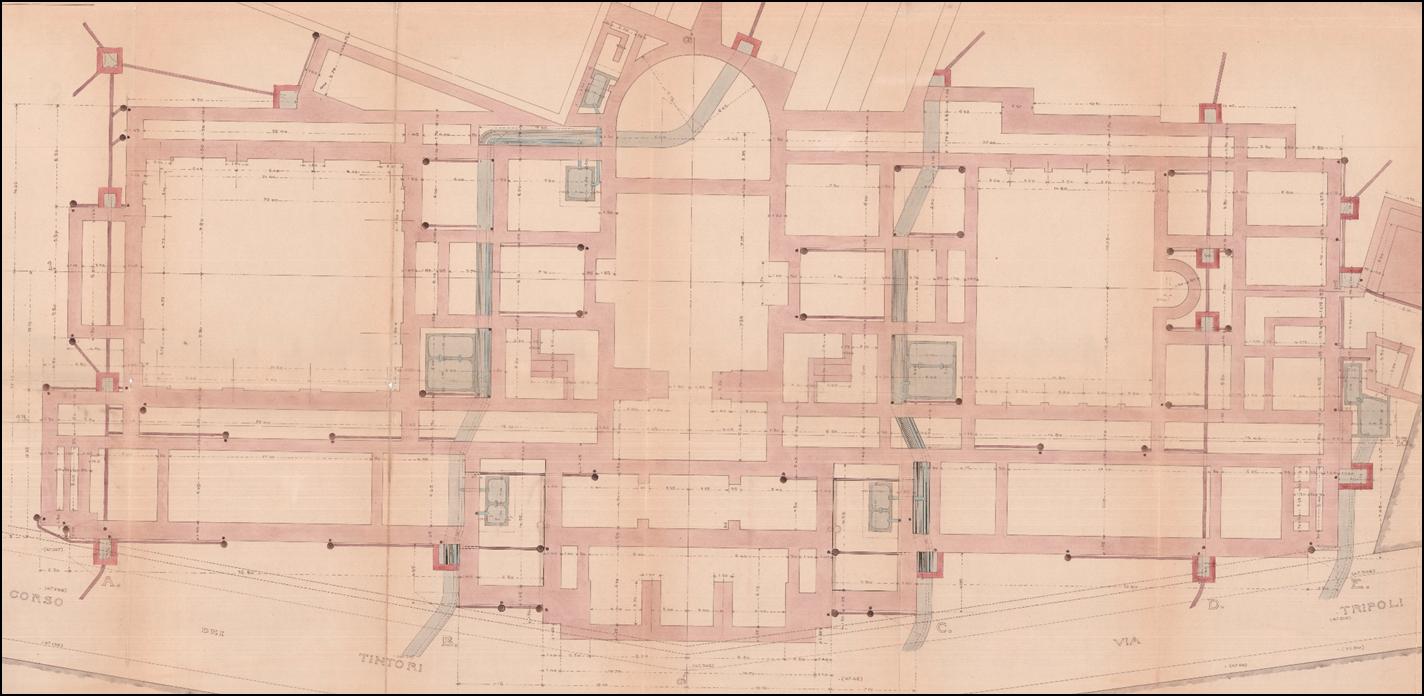
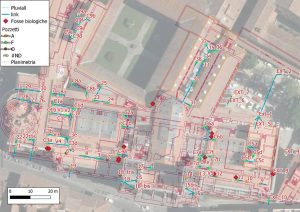
- Surveying: the lack of updated technical drawings showing the position and geometrical characteristics of the sewer system has highlighted the need for a series of activities for the purpose of obtaining the relative information. Initially, a number of the design drawings created by the engineer Mr. Bazzani were found in the city’s historical archives. A successive detailed on-site survey allowed for all the elements of the system to be mapped, with assessment of both geometric characteristics and state of repair. Sophisticated geophysical techniques (georadar) were also used to scan the subsoil and to search for any ancient structures.
- Risk scenario analysis: the information gathered in the first phase of the project was processed, defining the foundations for the implementation of a coupled model of the overall sewer network. The model combines the calculation of flow within the pipes with the surface spread of water ejected from network nodes in the event of system overloading. InfoWorks ICM software was used for this activity. Various scenarios were simulated, assessing the impact of extreme pluvial floods on the entire historic centre of Florence. The assessment of all the possible sources of risk, including the most remote possibilities caused by a chain of negative events, took into consideration the entire sewer network serving the historic centre of Florence. This wide-ranging analysis also allowed an assessment of the impact of conditions in the surrounding area, such as events involving the interface between the two networks involved, as well as interaction with the river Arno.
- Identification of critical points and defence strategies: the results of the model highlighted the critical nodes within the system, and allowed for the identification of the position and extent of areas at risk of flooding, as well as the water heads that would form inside the BncF in the event of a rainstorm. This information can be used for the creation of defence systems (such as floodgates or insulation), for the positioning of the materials conserved by the library, particularly in underground spaces, and for emergency plans.
The European SafeCult project
The goal of the SAFECULT project is to develop the knowledge and skills necessary for prevention, mitigation, response and recovery of written heritage in the event of an emergency. Europe’s written heritage, such as manuscripts and antique books, is threatened by a series of risks posed by climate change, natural and human-related events, economic crisis and the passage of time. With a view to protecting this heritage, the SAFECULT project is aimed at constructing a skills framework for disaster risk management for European libraries, archives and museums and acquiring the capacity to deploy preventive and reactive measures to mitigate the risks and the impacts of natural events affecting written heritage. In order to achieve this goal, the SAFECULT project provides for the development of a remote training platform, the creation of a network of experts in disaster risk management for written heritage, the drawing up of a practical guide and the organisation of training courses. The SAFECULT project is run by a consortium of 13 partners from 10 European countries, and has received funding from the European Commission as part of the Horizon 2020 programme.
The National Central Library of Florence was the first Italian library to draw up a specific emergency plan aimed at saving its collections, which includes action to be taken in the event of flooding, fire, earthquake or explosion. The plan also sets out actions for the drying and recovery of damaged materials. In accordance with local authorities, periodic training drills are conducted for the teams involved in saving the collections. The SAFECULT project sees the involvement of the National Central Library of Florence through training activities and conventions, and providing support in designing and developing educational materials as well as the European guidelines for risk and disaster management in relation to cultural and written heritage. The library will also provide support for the national SAFECULT living lab and the SAFECULT capacity building event.
Prevention
In addition to working directly on books, the restoration laboratory is also responsible for organising prevention projects, defined in the Italian Code of Cultural Heritage as: “All activities suitable for limiting situations of risk connected with cultural heritage within its context.”
These include:
The monitoring of environmental conditions for the preservation of collections
The microclimate within which the library’s materials are preserved and exhibited represents a significant factor in terms of deterioration, and requires careful management of the environmental parameters to which the library’s materials are exposed. Proper analysis of the various objects is required to establish the best conditions for preservation, as well as the potential factors for deterioration that pose the greatest risk.
IMP – integrated pest management
Biological factors are one of the most common causes of damage in the library sector, and to this end, the presence of pests in the spaces housing the library’s collections is constantly monitored.
Indications for handling
Use of the items in the library entails their handling by users and personnel, and it is therefore essential that strict rules governing these activities are followed in order to avoid physical damage requiring restoration. To this end, all the computers in the library show screensavers that provide basic information on how to handle the collections of the BncF. A series of courses have been held to raise awareness and train staff on how to best care for the collections.
The restoration laboratory also:
- assesses the state of conservation and repair of the collections of books and documentation held by the BncF, in particular those chosen for internal and external exhibitions.
- supervises exhibition conditions – setting up and dismantling – for both internal and external exhibitions.
- oversees the acquisition of conservation materials for the BncF.
- collaborates with other institutions in the assessment, reporting and development of preventative conservation projects.
- provides conservation-related consultancy for the various departments within the BncF: the copying, preservation, exhibiting and handling of materials and the planning of new storage spaces.
- handles internal training on preventative conservation for users and staff.
Flood risk
“Living at risk is jumping off the cliff and building your wings on the way down.”
Ray Douglas Bradbury
The manner in which the National Central Library of Florence managed to deal with the flood of 1966 continues to be a source of amazement for a number of reasons, first and foremost the immense show of support, not only financial, from civil society on both a national and international level. It was however immediately evident that neither the city nor the library were at all prepared for an event of such proportion.
Whatever the cost of prevention, it will always be less than the cost of repairing any damage, particularly in the wake of a disaster. Furthermore, there is an extremely widespread and mistaken belief that emergencies can only be managed by specialists, whereas, in reality, the collaboration of professionals from a wide range of areas is an essential factor in providing informed support to those responsible for handling situations of crisis. Therefore, not only is it essential for every individual worker to be duly trained, but also that this training is extended to any volunteers that may be involved.
Practical initiatives to test teams and motivate those involved in rescue operations, i.e., drills on protecting the collections in the event of an emergency, are fundamental, and the library has taken action in this area, conducting simulations in collaboration with locally active organisations, first and foremost the regional secretariat and civil protection department.
Books are composite objects subject to serious and often permanent damage, and recovery techniques available on the market are expensive and sometimes ineffective. Considering the inherent fragility of library materials, they need to be moved with care along predefined escape routes both during drills and in real emergencies, avoiding the risk of loss and of erroneous repositioning in the deposits. In addition, the quantity of materials held at the National Library has meant that certain decisions have had to be made, establishing priorities on the basis of the rarity and fragility of the materials in order to best use identified safe spaces and render complex salvage operations as efficient as possible.
Although the library naturally pays particular attention to the prevention of flood-related risks, it should be remembered that there are many types of emergency situation that pose a potential threat to books and, contrary to what many may imagine, most damage is incurred on a day-to-day basis due to wear and tear and to poor conditions of material conservation resulting from an increasingly severe lack of funds and quality storage space.
For a brief summary of preventative actions, see the speech given by Gisella Guasti and Alessandro Sidoti at the Arno Pulito convention.
Emergency management
The National Central Library of Florence continues to be the institute to which people instinctively turn when a library suffers water damage. To this end, the National Library has decided to render its emergency programme dedicated to saving the collections available for consultation. In addition, with a view to facilitating the work of those responsible for salvage operations, a series of brief videos has been produced, providing visual demonstrations of necessary actions, as well as two pocket-sized leaflets. leaflet 1 leaflet 2.
It is stressed that operations must be coordinated by a single figure, in order to avoid the issuing of conflicting instructions. The focus of the videos is a library in which a certain number of books have come into contact with water, panic is about to break out, the situation is chaos, there is no internal emergency plan, no trained team, and no-one has any idea what to do.
Freeze-drying wet books
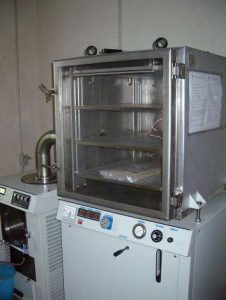
Since 1997, the National Library has provided public institutions experiencing emergency situations with access to a system for the freeze-drying of books that have suffered water damage in floods and that have been appropriately frozen.
The Restoration laboratory collaborates with UCCR Toscana and the Bibliographic Superintendency of Tuscany for emergency management.
With a view to facilitating the management of activities for the prevention and management of major and minor emergencies that may occur in the facilities subject to protection, the Archival and Bibliographic Superintendency of Emilia Romagna has created tools for handling emergencies in archives and libraries.
Maintenance
As well as handling restoration works, the laboratory also manages maintenance projects, which are defined by the Italian Code of Cultural Heritage as: “all those activities and works dedicated to verifying the conditions of the cultural asset and maintaining the integrity, functional efficiency and identity of the asset and of its parts”. These activities are conducted exclusively by figures qualified as restorers of cultural heritage pursuant to relative legislation.
Maintenance is understood to be a series of direct conservatory actions that, while entailing physical contact with the cultural items in question, does not modify their physical or chemical nature.
These actions include:
- dust removal from collections
- disinfestation
- the construction of protective cases and boxes
Dust removal from collections
Dust can cause various forms of harm to library materials. As it readily absorbs moisture, it provides an ideal environment for the development of micro-organisms and insects, and it is also composed of abrasive particles, spores, insect eggs and pollutants (specifically sulphur dioxide).
Dusting should be conducted at regular intervals, at a frequency that depends on how quickly dust accumulates on the library materials in question. Radical action should be programmed approximately every five years, entailing the cleaning of furnishings and volumes, with books being removed from the shelves and checked; more frequent dusting of furnishings and the top edges of the books, without opening or moving the latter, should be carried out every couple of years.
This is an ideal opportunity to check the volumes and look for any signs of insects. During treatment, it is also advisable to remove any potentially harmful elements such as bookmarks that contain acidic substances, or metal paperclips.
Dusting should, in any case, be conducted by specialised staff. If it is not done carefully, it could result in damage to more fragile materials.
It is important that dust is not allowed to circulate in storage areas, and it is therefore necessary to use dust-capturing microfibre cloths and vacuum cleaners with soft brushes, fitted with Absolute-rated filters (capable of blocking particles as small as 0.2 microns) and with a power of no more than 1 HP, or other dust-removal machinery with said filters.
Shelving should be cleaned from the top downwards, using a vacuum cleaner and ethyl alcohol, the latter exclusively for metal shelving.
Books should be removed in small batches, first dusting the top edges, where most of the dust gathers, moving from the headband to the front edge (without any movement in the opposite direction). If all pages are to be dusted, soft-bristle brushes should be used, together with a form of extraction.
Mechanical dusting machinery should be equipped with either rotary brushes or blowers and fitted with extraction systems and absolute-rated filters. This equipment must be used with extreme care and attention, and never on fragile or precious materials.
The rooms containing collections must be cleaned once a week with vacuum cleaners fitted with HEPA filters, and never with brushes, which tend to stir up dust.
Disinfestation
It is important to bear in mind that while a visit from one or two insects is certainly an opportunity to carefully examine the material, it does not necessarily represent a crisis. In any case, disinfestation always needs to be seen as a last resort. There are both chemical and non-chemical systems, and the latter is preferable.
Chemical systems
Pesticides come in various forms, differing both in terms of method of use and physical state (gas, liquid or powder).
In addition to common products, which are to be avoided due to the residue they leave on library materials, there are also highly effective fumigation treatments. One method that has been particularly popular in recent years is ethylene oxide, but its use is gradually falling due to the risks it poses to operators’ health and the fact that it is a serious pollutant. There have also been a number of cases that have seen an alteration in the chemical and physical properties of paper, parchment and leather.
Non-chemical systems
The methods that, so far, appear to provide the best results are controlled freezing and controlled atmosphere treatments. Experiments have also been conducted with the use of heat, gamma radiation and microwaves, but with little success.
Controlled atmosphere: this consists in holding books for a given period of time in an atmosphere in which oxygen levels have been reduced to less than 0.2% (and replaced with nitrogen). This treatment can be conducted by specialised personnel in specific rooms or more simply in sealed bags.
Controlled freezing: infested materials are immersed in an environment of at least -20°C. The change in temperature needs to take place as suddenly as possible, so as not to allow the insects to acclimatise. The period of time required for disinfestation varies from species to species, but two weeks is generally sufficient for treatment. However, controlled freezing tends to cause some minimal damage, and therefore oxygen deprivation is preferable. It is important that all the infested books are packaged in plastic bags in order to avoid condensation from forming once they are removed from the freezer. Although this system is apparently simple to apply, it is necessary to rely on specialised personnel.
None of the disinfestation treatments mentioned here leave behind any substance to mitigate future infestations, and there is therefore no sense in proceeding without also treating the relative storage areas.
Treating mould
The presence of mould is always a sign that storage areas need attention. The infected material must be separated from all the other books and placed in a low-relative-humidity (below 30%) and well-ventilated environment in order to allow it to dry (a week should be enough), after which it must be carefully dusted with an extraction system fitted with absolute-rated filters. In cases in which it is impossible to treat all the books at once, a portion can be frozen (in order to reduce the development of microbes). In the event of contamination, it is always advisable to have a specialist assess the storage conditions that caused the situation. Contamination treatments need to be assessed on a case-by-case basis.
The construction of protective cases and boxes
The use of rigid or semi-rigid containers represents a valid form of protection against physical damage to materials, and by acting as a form of insulation, they reduce the changes in temperature to which books are subject, while also providing protection against pollutants and an excellent barrier to dust and light.
Books with fragile bindings, whose authenticity is to be preserved, need to be boxed, as do damaged books whose limited use does not merit restoration, as well as those with stiff-board parchment bindings.
Boxes should be made with materials suited to long-term conservation, and the type used depends on the material they will be required to contain.
– Clamshell boxes: these are made to measure, and are suitable for more valuable or heavy books, as well as any items that require particular protection.
– Phase boxes: a simpler type, also made to measure but that offer lower protection against dust.
– Commercial containers: containers are available in a range of formats, made from materials suitable for conservation. They offer an economical solution and do not need to be assembled by specialised personnel.
– Book shoes: these are slipcases, which do not protect the bindings, designed for materials displayed in grand halls.
– Polyethylene covers: these are suitable for protecting modern materials. They can be prepared to measure, even by non-specialised personnel, and provide protection against both mechanical and physical damage (UV radiation).
Machines are available that make boxes to measure, but the related purchase and maintenance costs are currently prohibitive and can only be justified for large-scale boxing operations.
It is important not to use elastic or string to bind damaged books. Materials due for restoration or boxing should be packed in durable paper or tied with unbleached cotton or linen ribbon, if necessary after having sandwiched the item between two pieces of cardboard cut to measure.
Vacuum modified atmosphere packaging systems
A packaging system has been studied for modern materials and periodicals, above all unbound items, which uses polyethylene and polyester laminate bags that have an internal lining of EVOH, which serves as a barrier against oxygen, other gases and moisture. The process of oxygen extraction, based on the use of oxygen absorbers, mitigates the deterioration of modern materials, while vacuum packing also leads to less bulk on shelves and lends solidity to unbound material.
This system requires the use of specific machinery and a certain level of familiarity, and it is therefore recommended to contact specialised companies and ask for expert advice before making any purchases. However, materials treated in this manner are not readily available for consultation, and the packaging also hinders visual assessment of the state of conservation.
The film used for the bags needs to be chosen with extreme care: not all the materials available on the market are able to maintain low levels of oxygen in the long term.
It is therefore recommended to ask for expert advice before making any purchases.
Restoration
Below are brief descriptions of a series of restoration projects that involved either important items from the collection or particularly interesting strategies. They have therefore been chosen as examples of the activities conducted by the laboratory, and represent just a fraction of the overall efforts of the department. The names and the quantities of the batches of flood-damaged books sent for restoration are also provided.
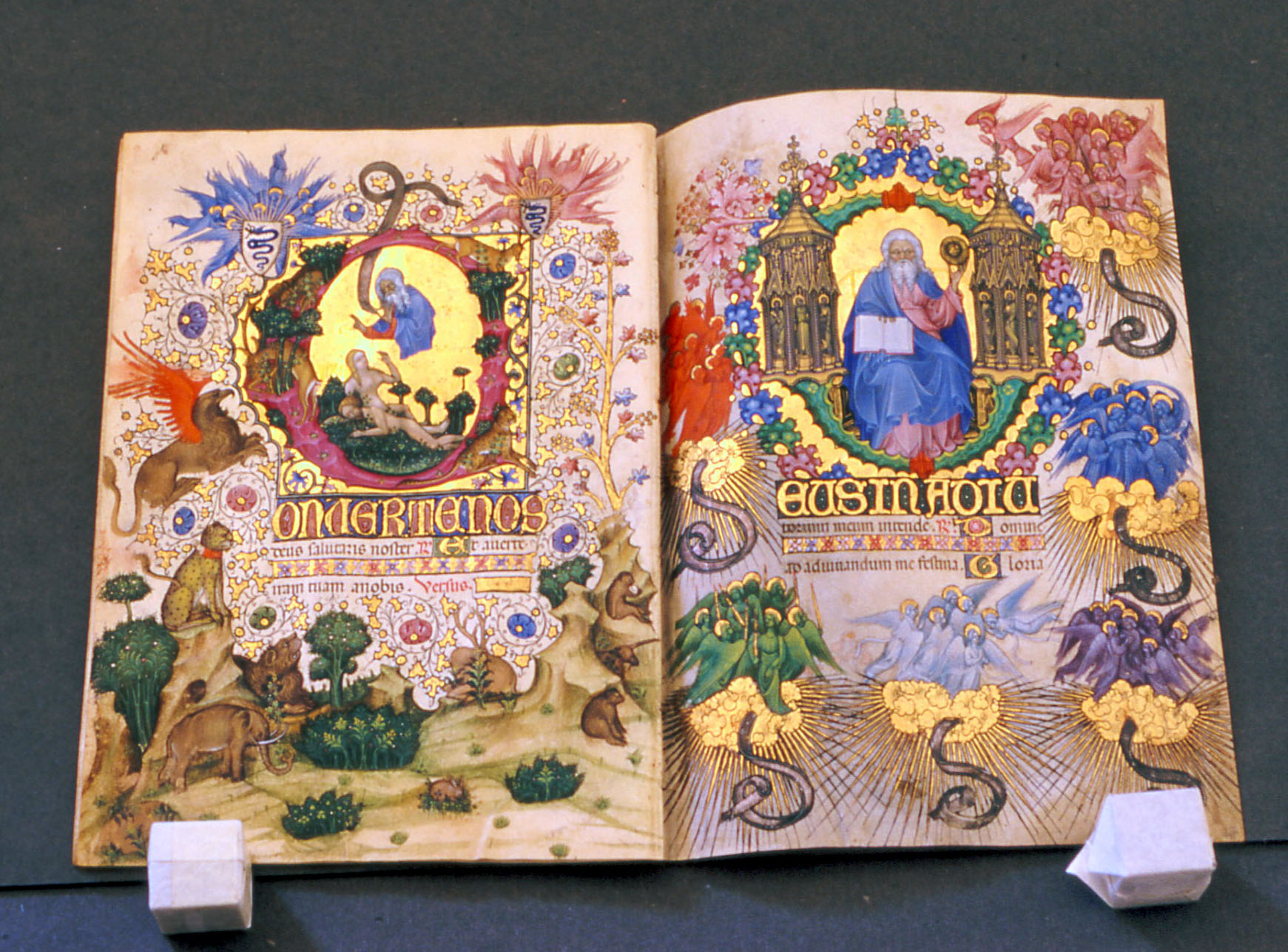
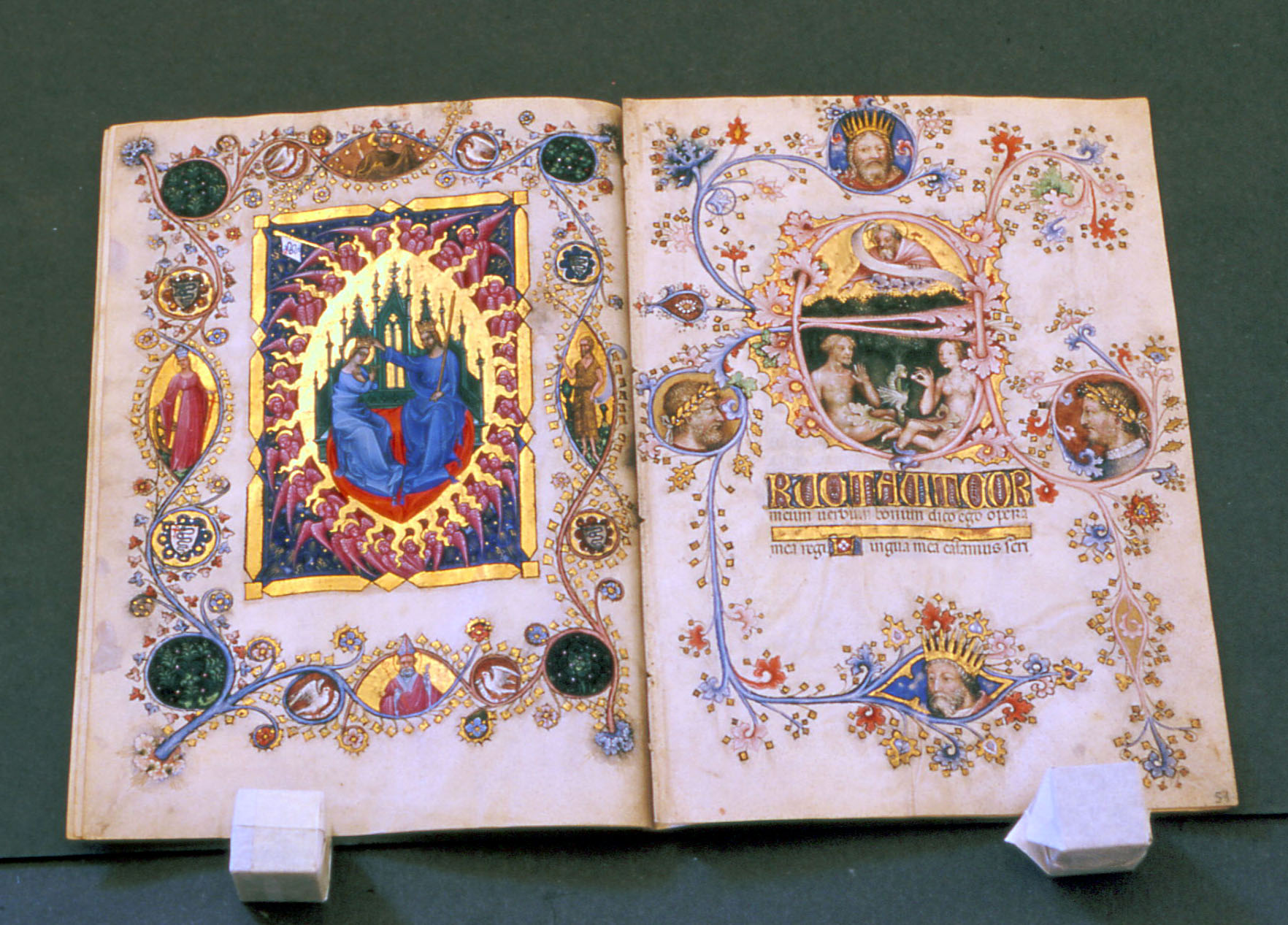
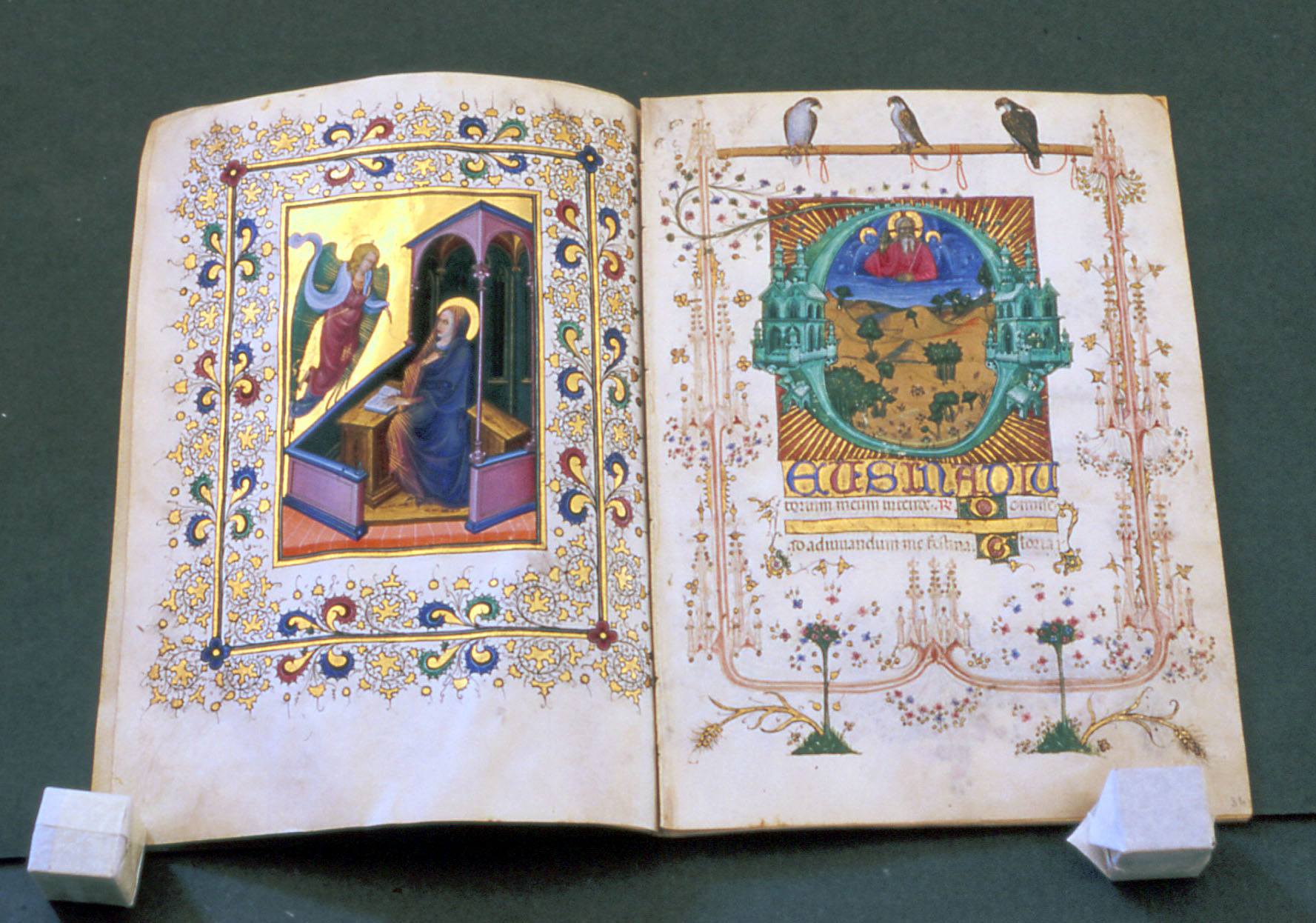
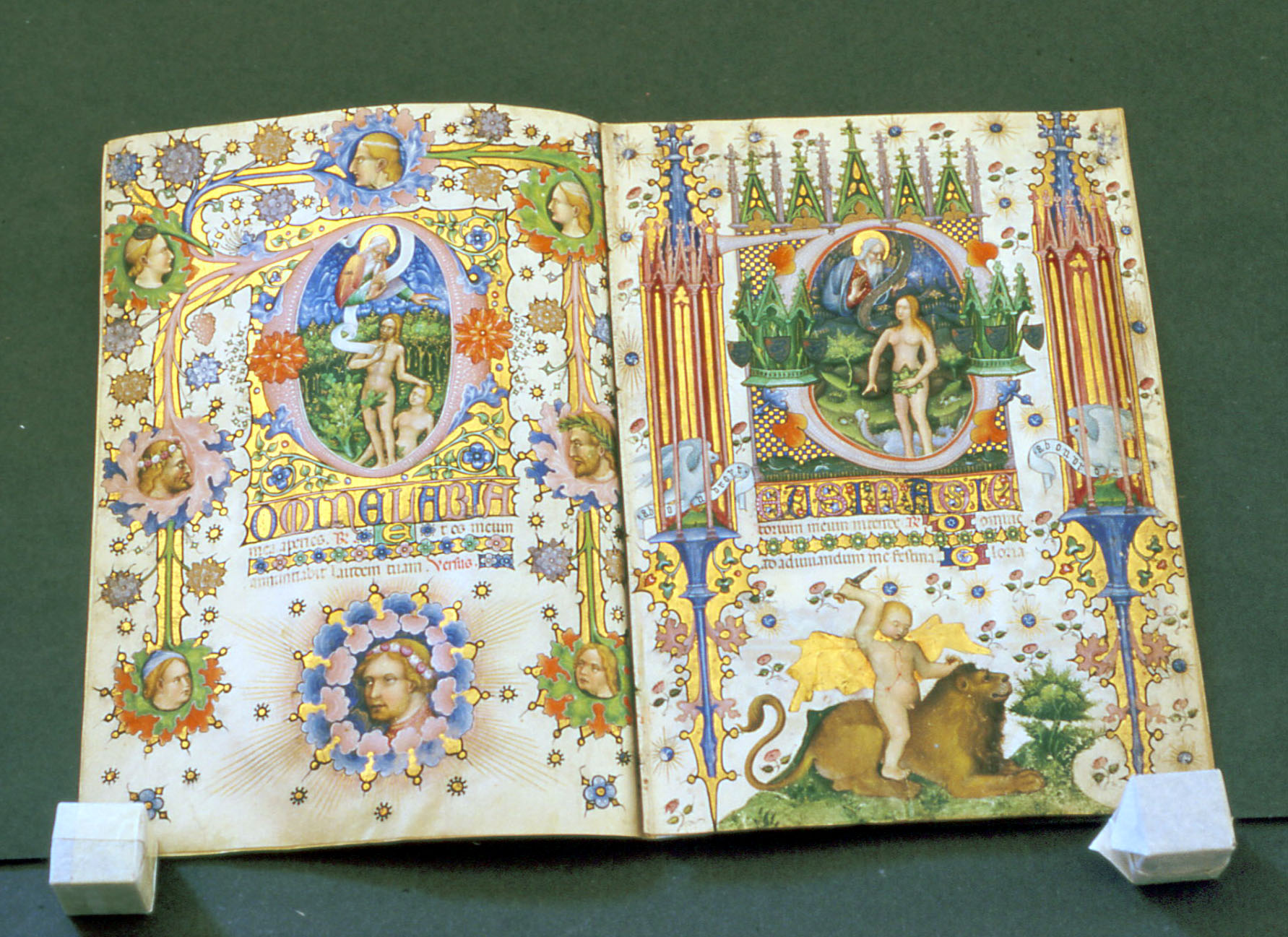
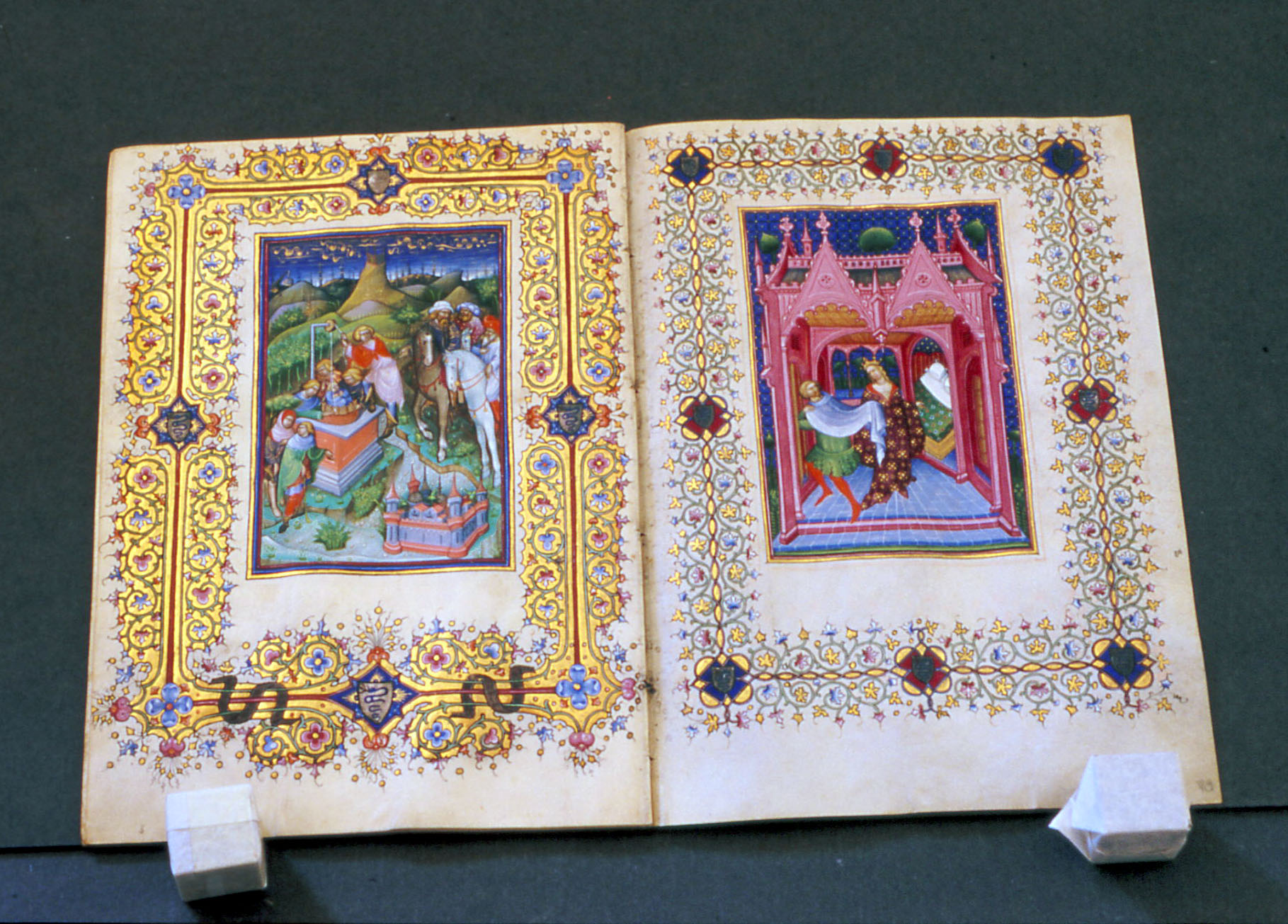
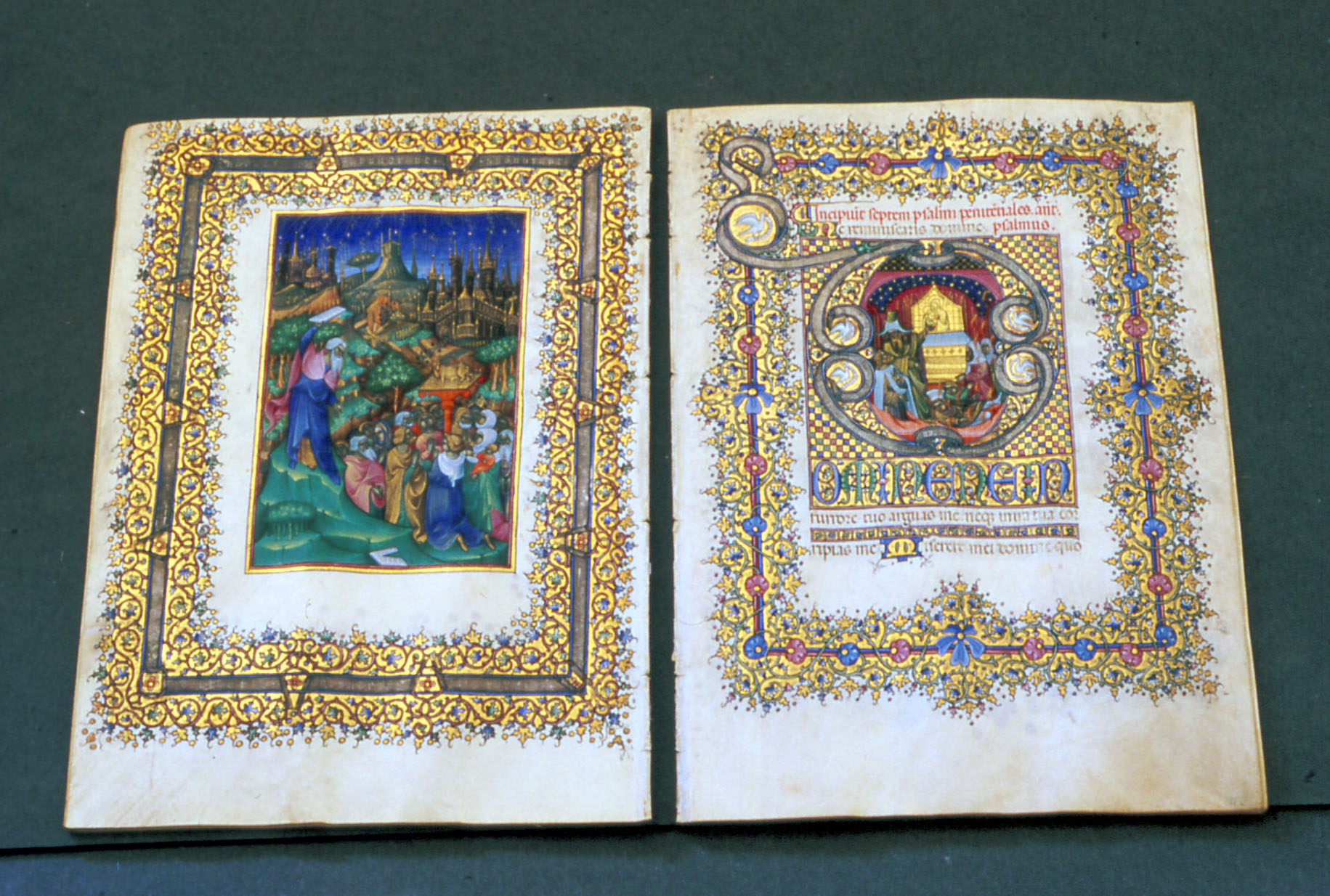
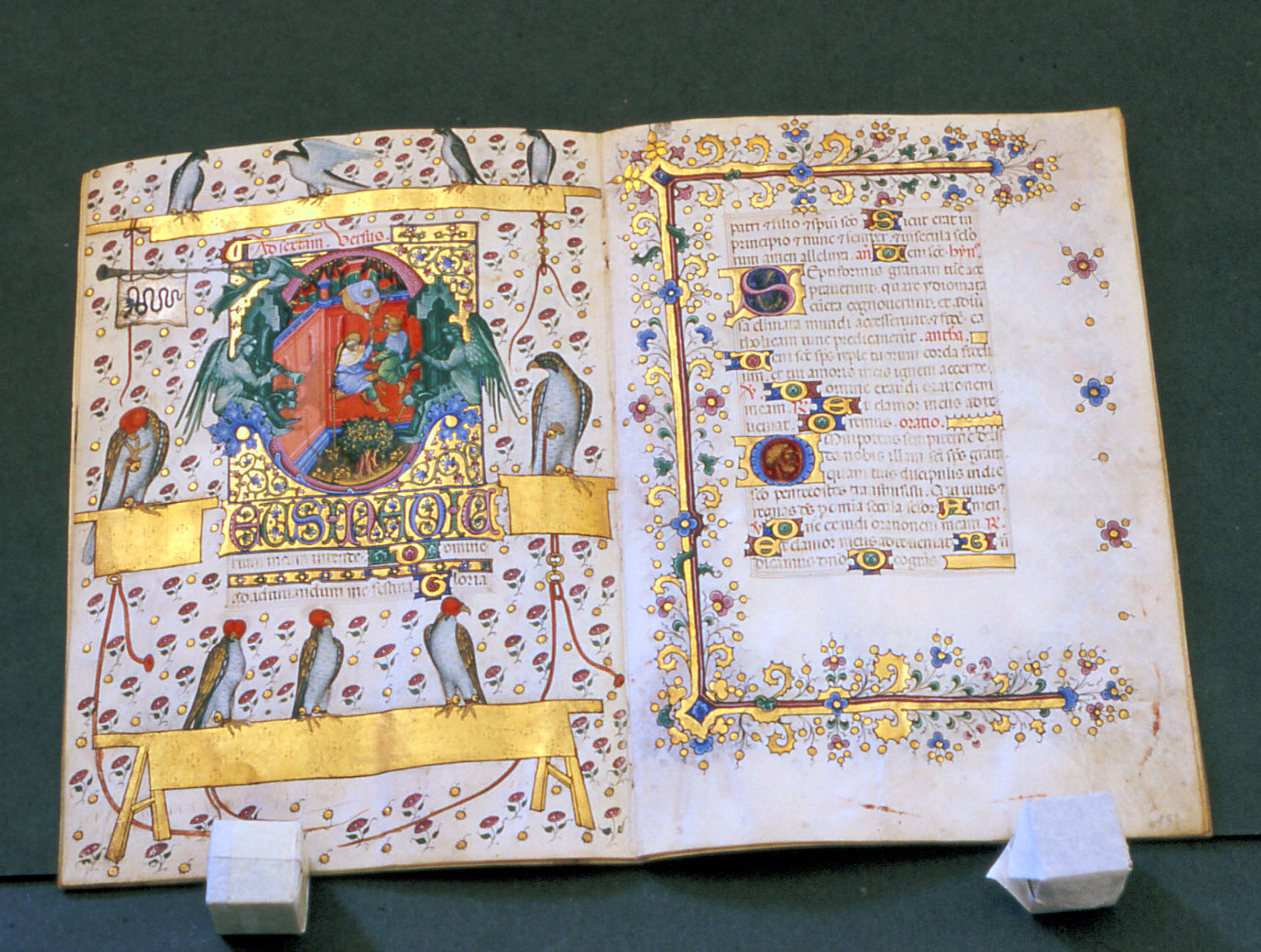
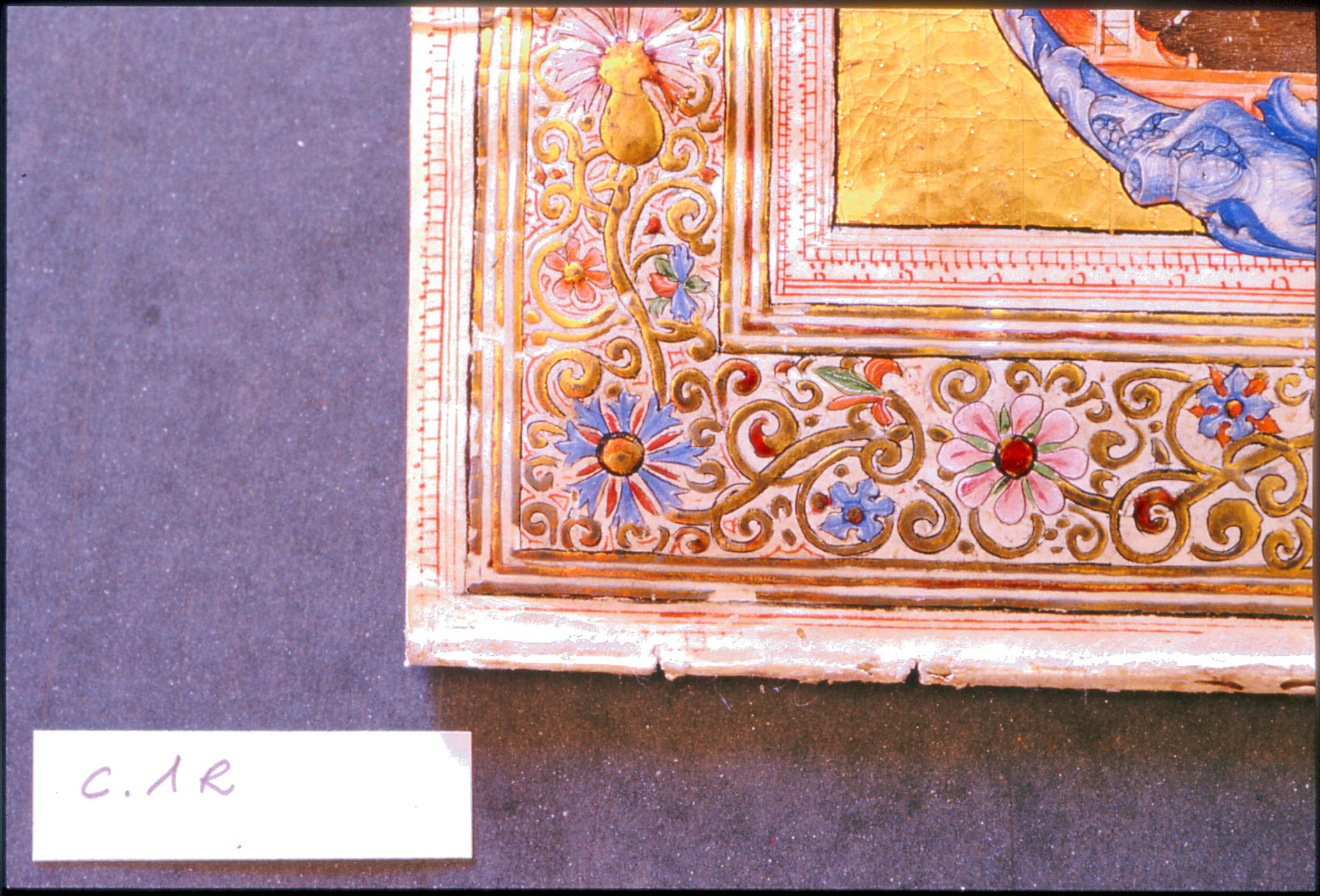
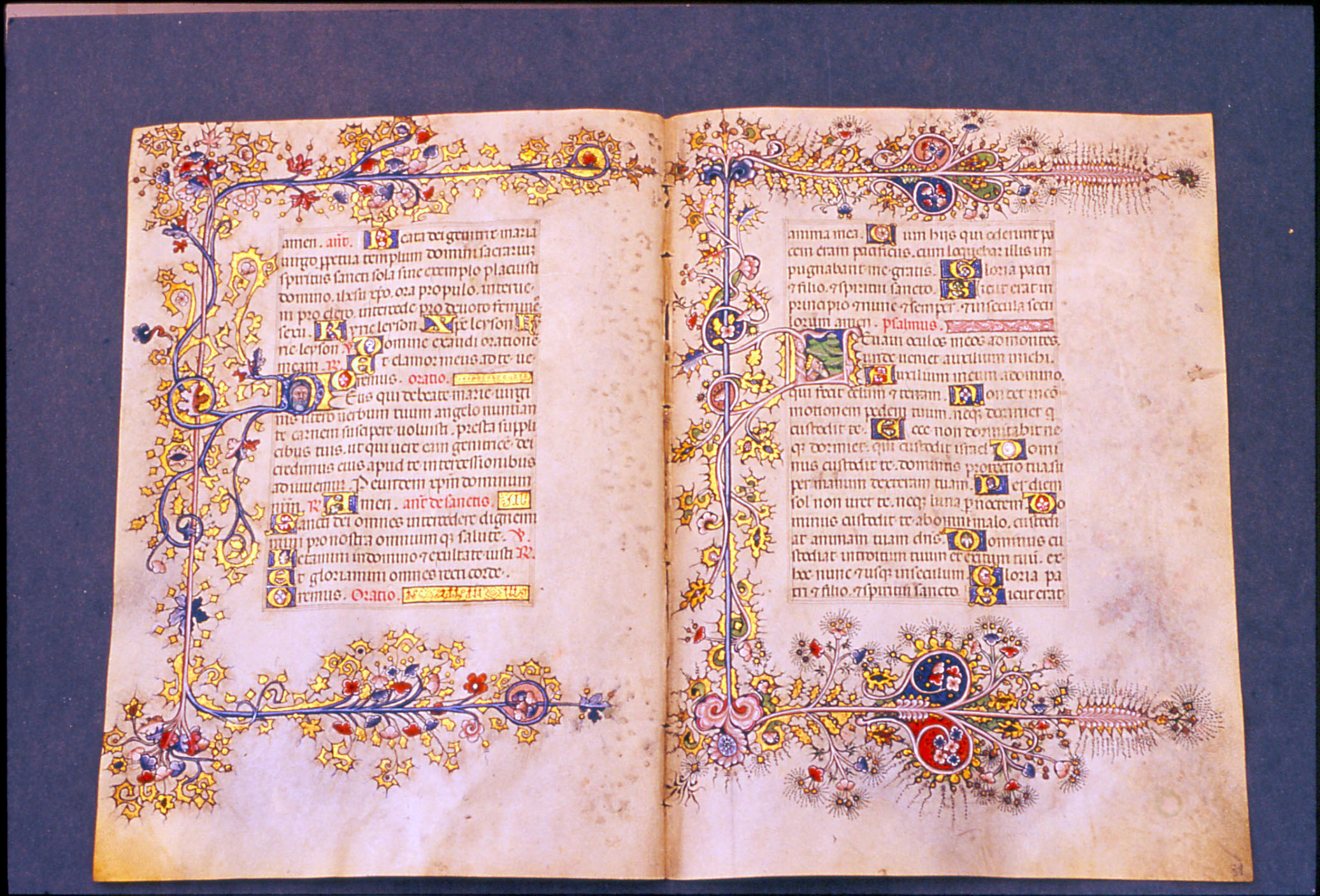
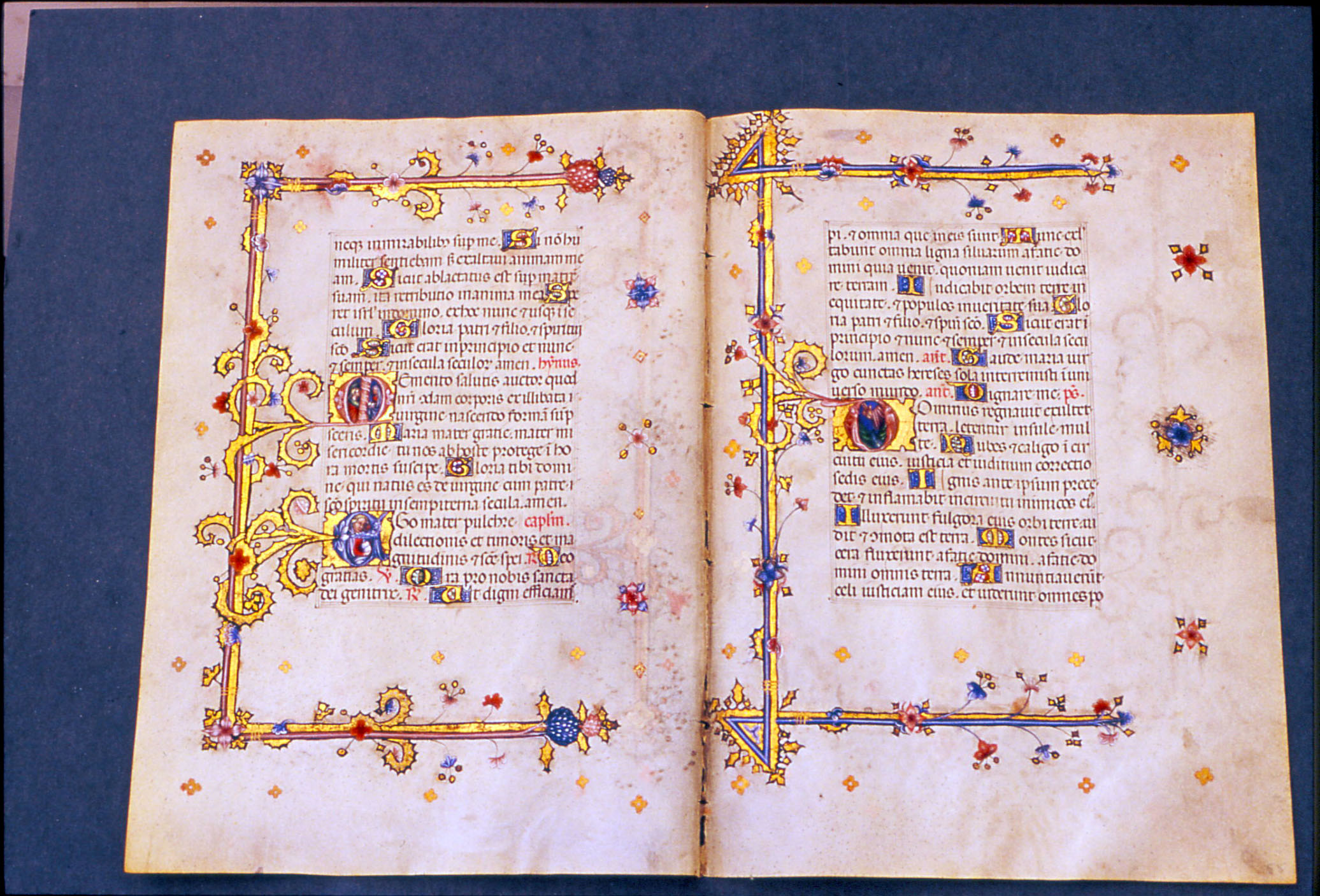
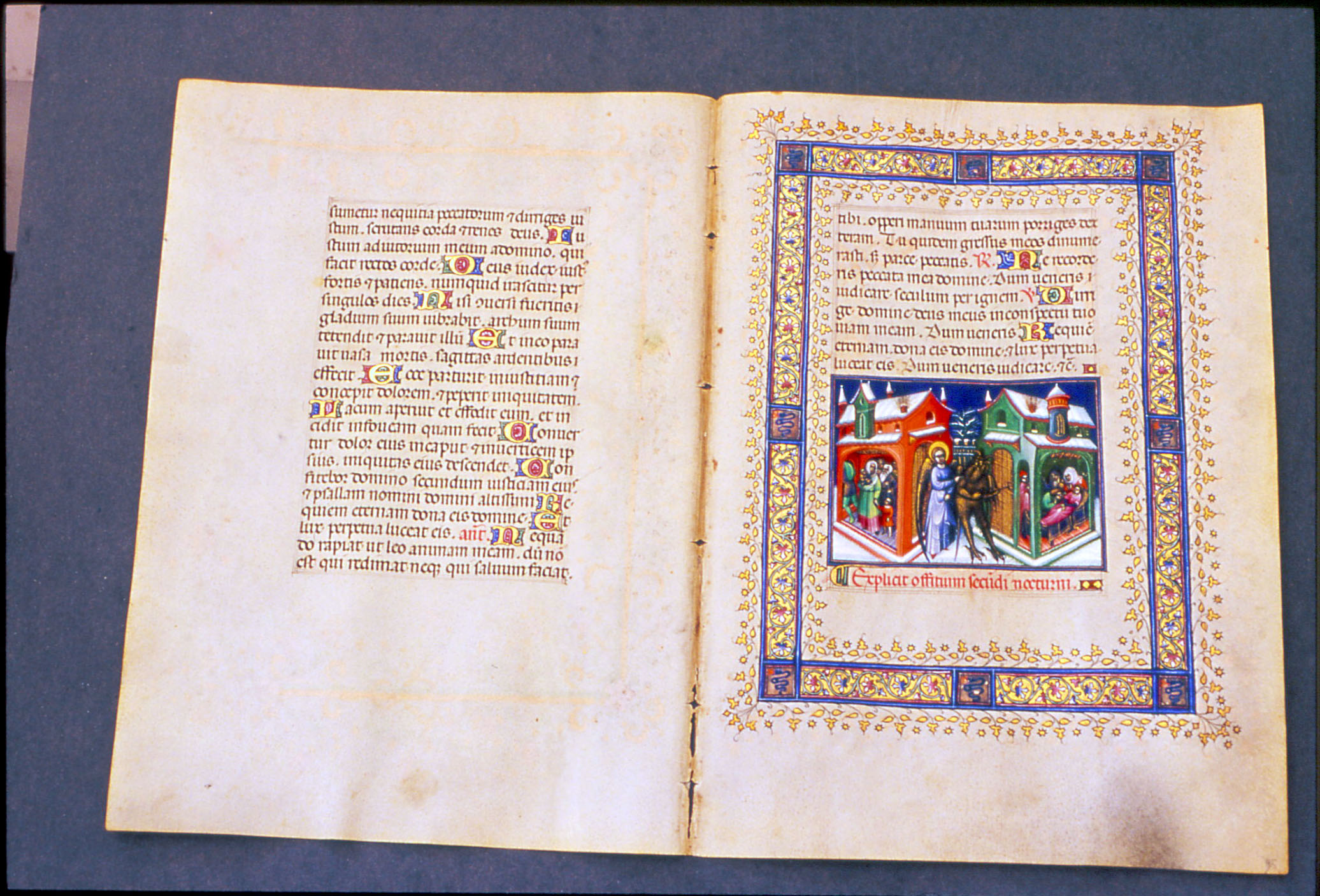
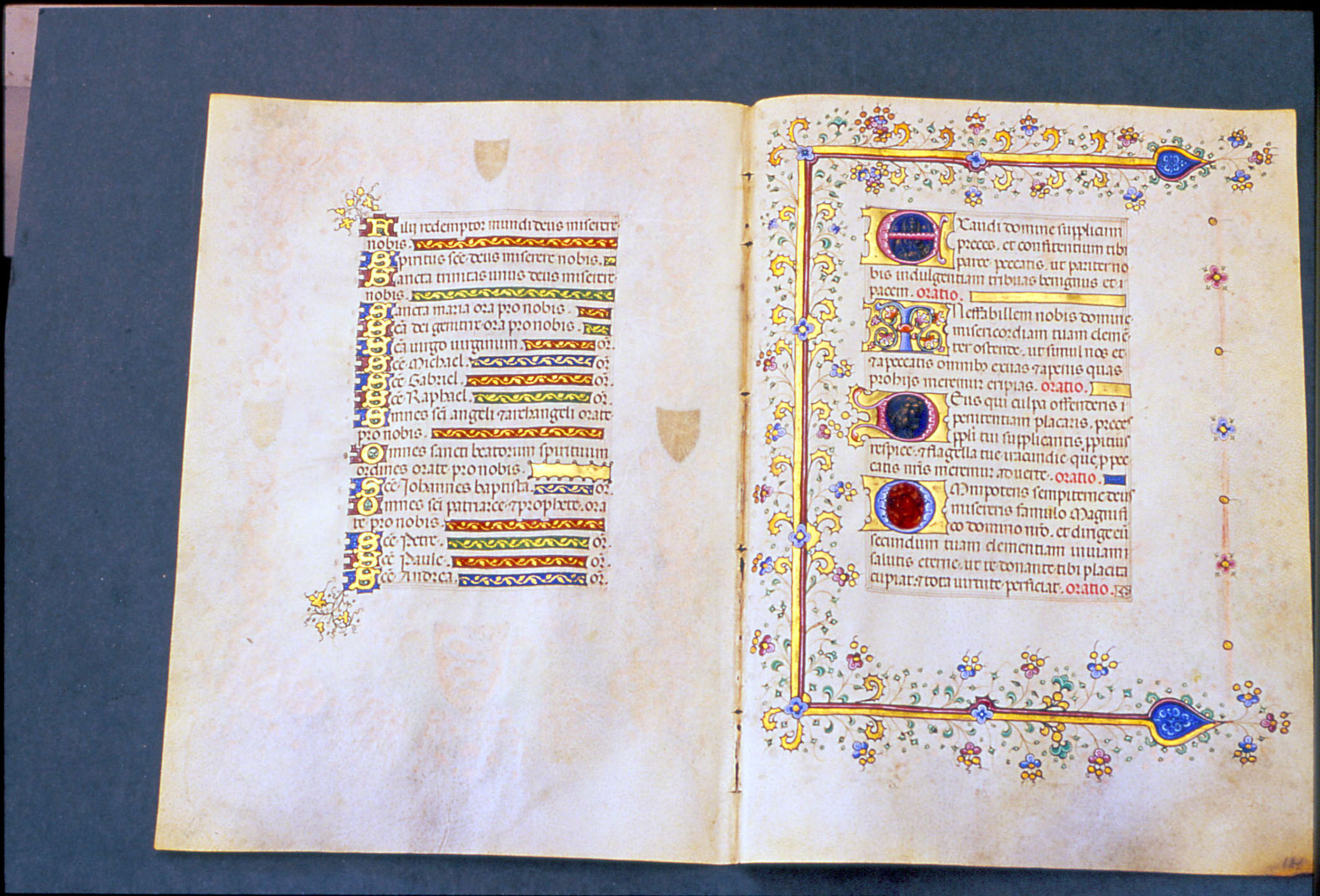
The Visconti Hours, Landau Finaly 22 (2003)
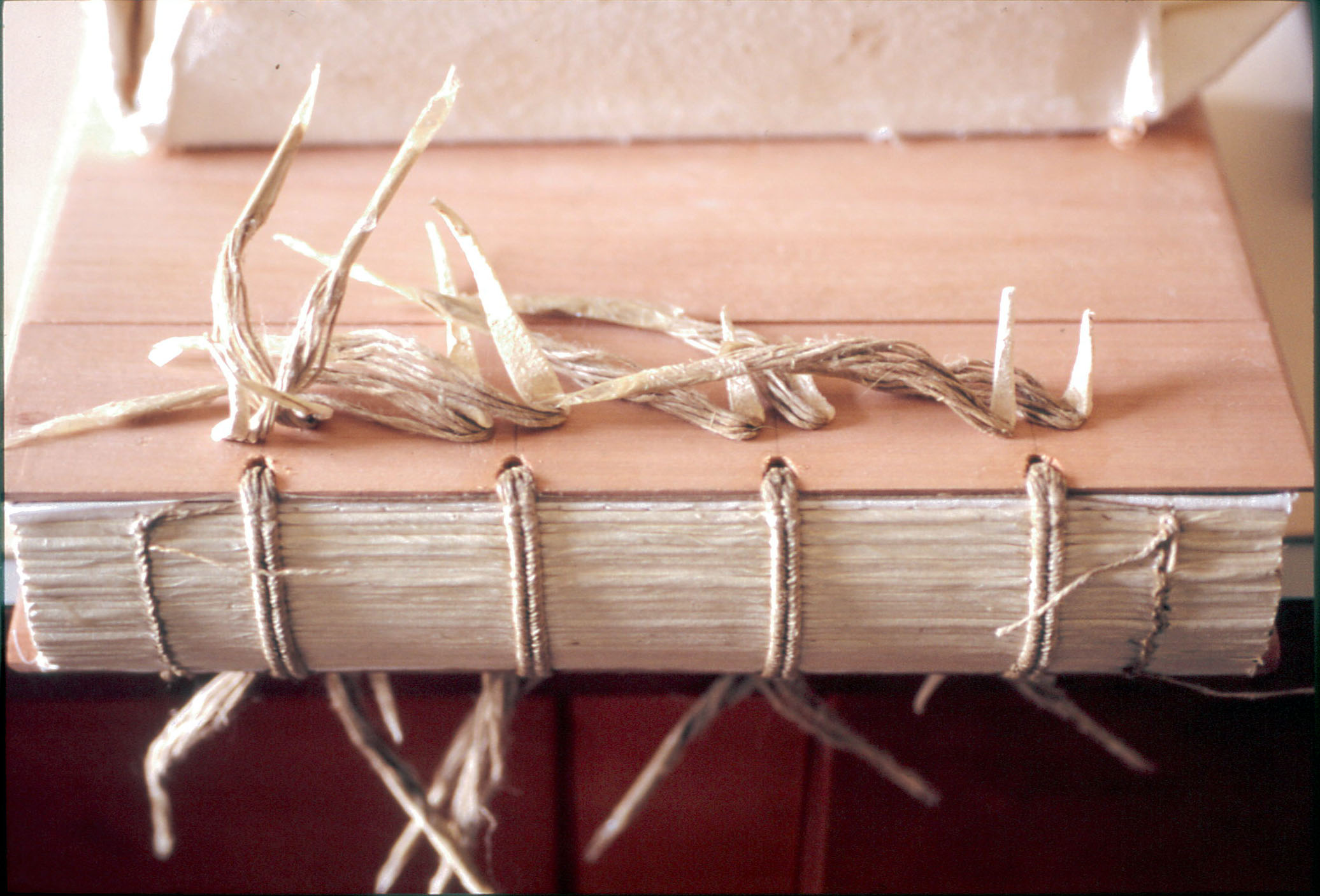
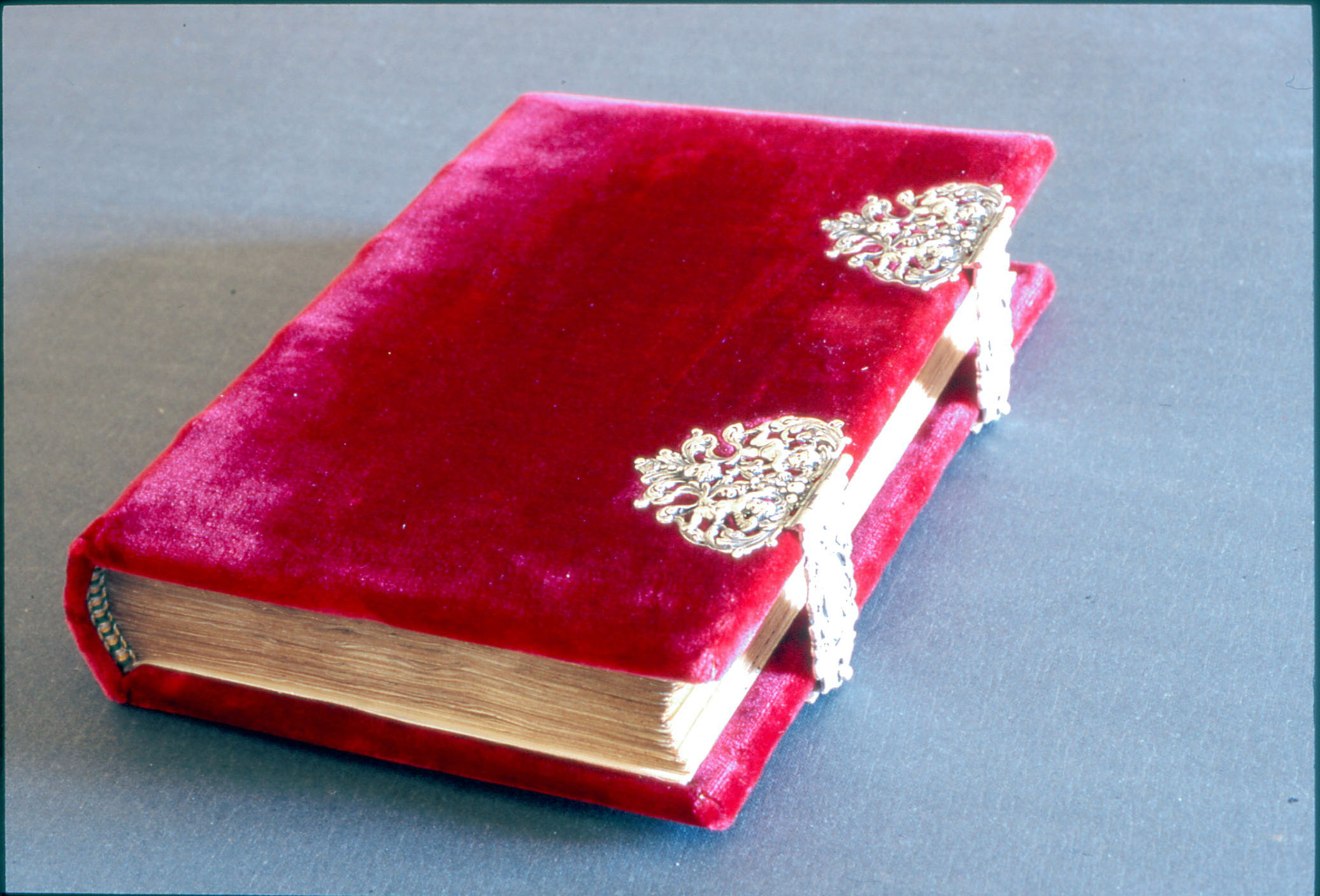
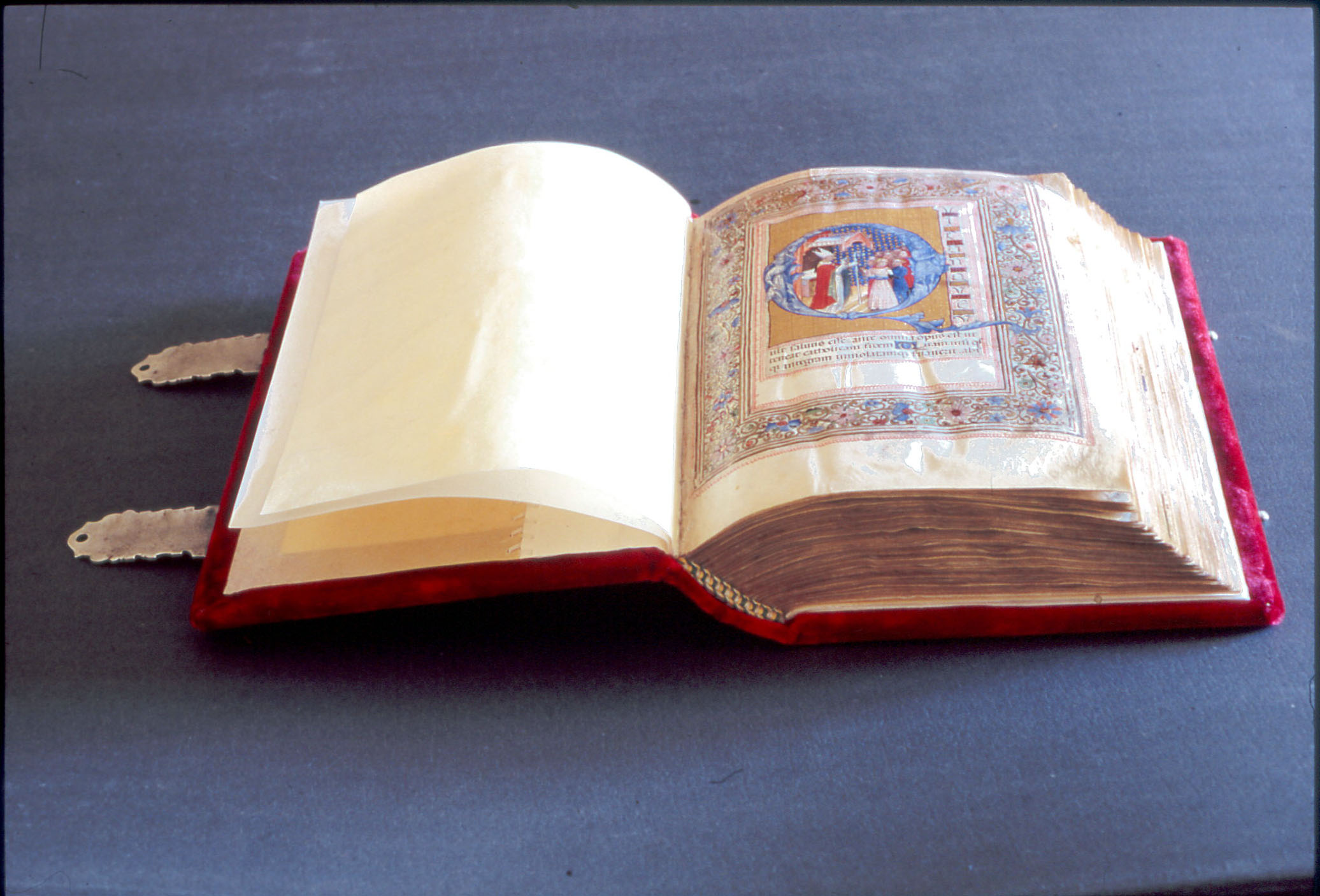
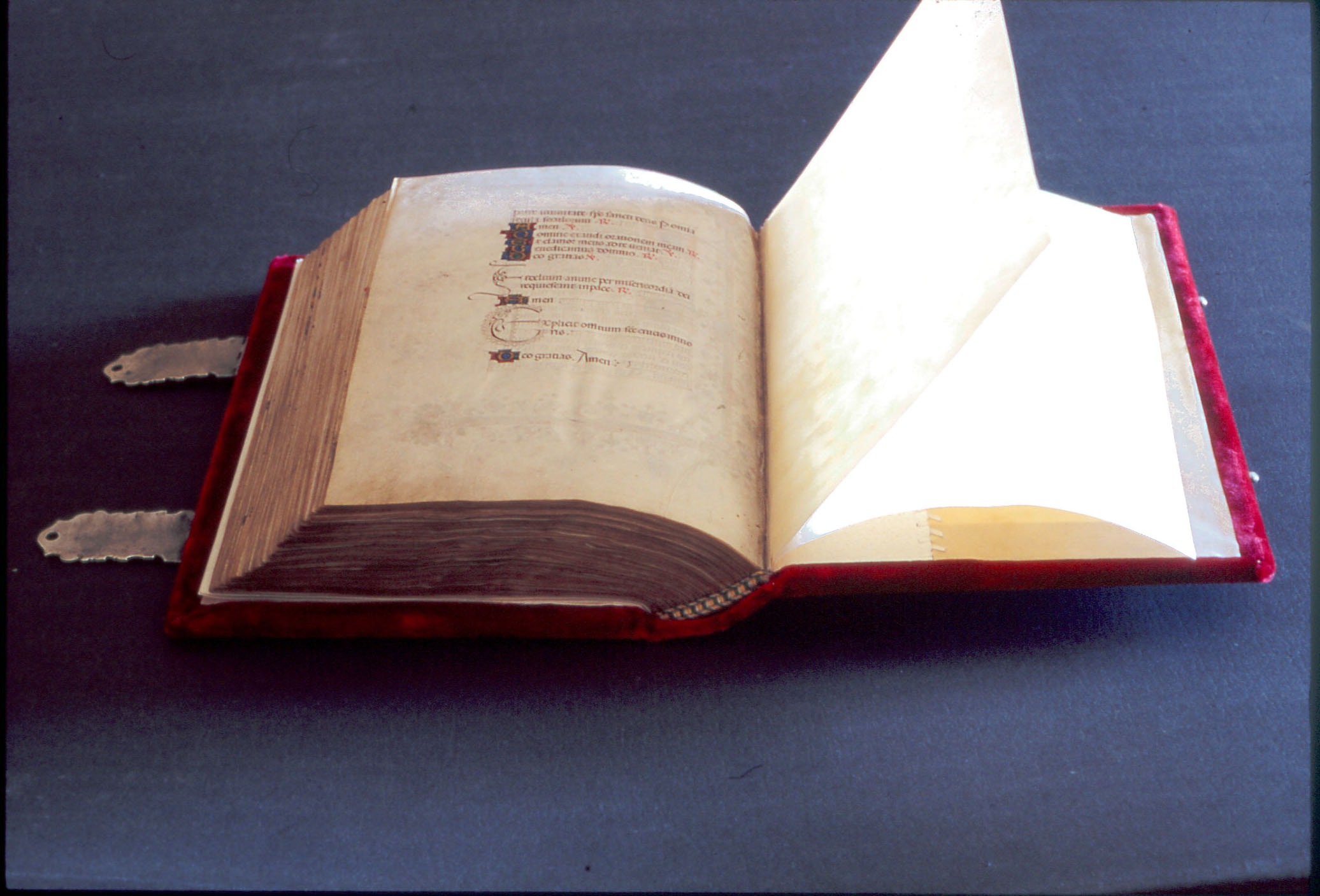
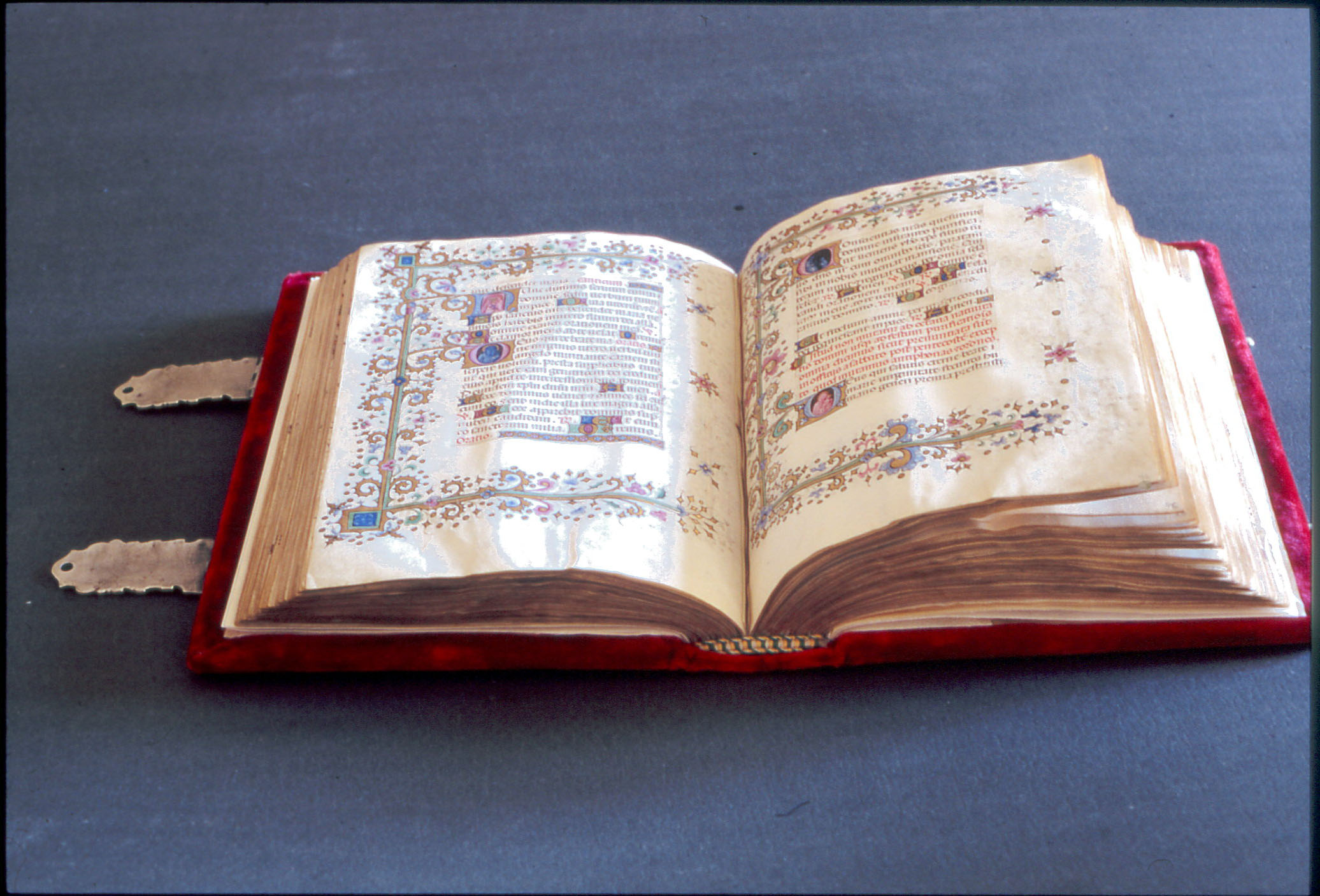
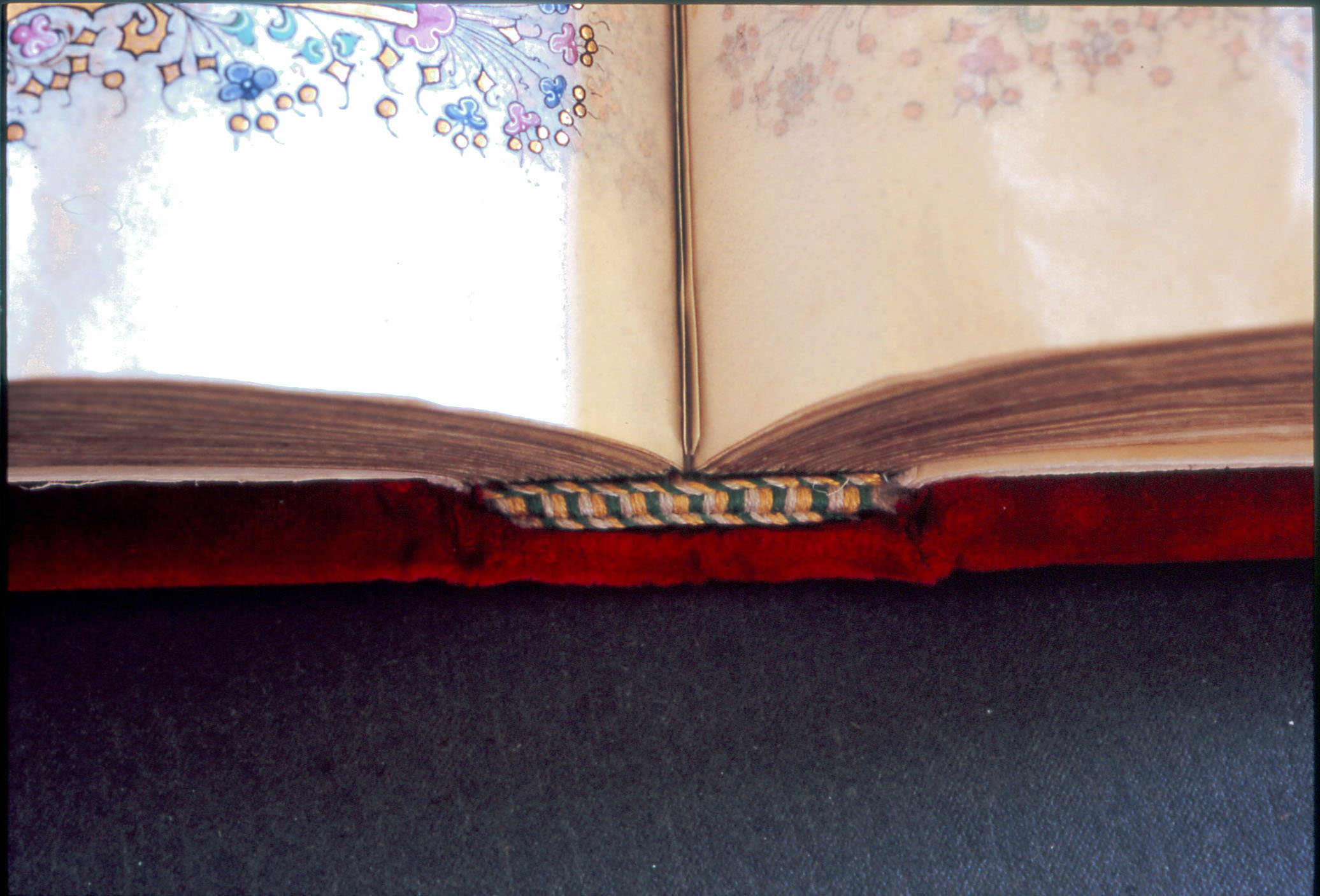
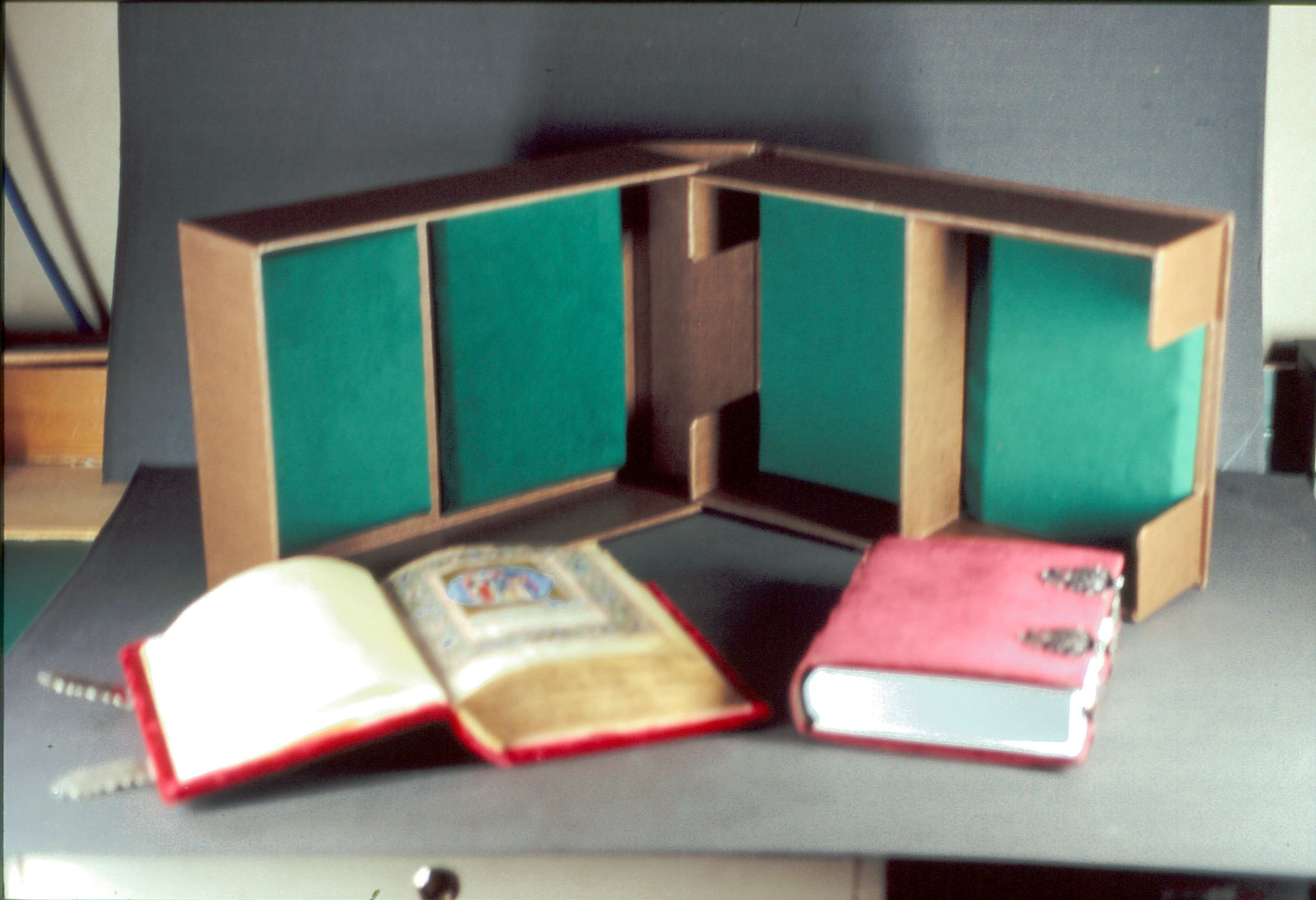
Approaching the restoration, or even the simple binding of a richly decorated manuscript generally raises a considerable number of questions. This precious item is often seen as an important representative for the organisation that conserves it. A “simple” conservation binding is generally seen as inappropriate, and in some cases may be detrimental to the beauty of the work. For the restoration of the Visconti Hours, it was decided to adopt a form of compromise, combining the structural characteristics of a solid conservation binding in alum leather and wooden rods with binding in velvet.
The Visconti Hours were dismantled to allow an exact copy to be made by the Panini publishing house.
The manuscript was, overall, in excellent condition, apart from the early 1900s case binding which, with its fake cords and wooden (plywood) boards, had suffered damage at the hinges.
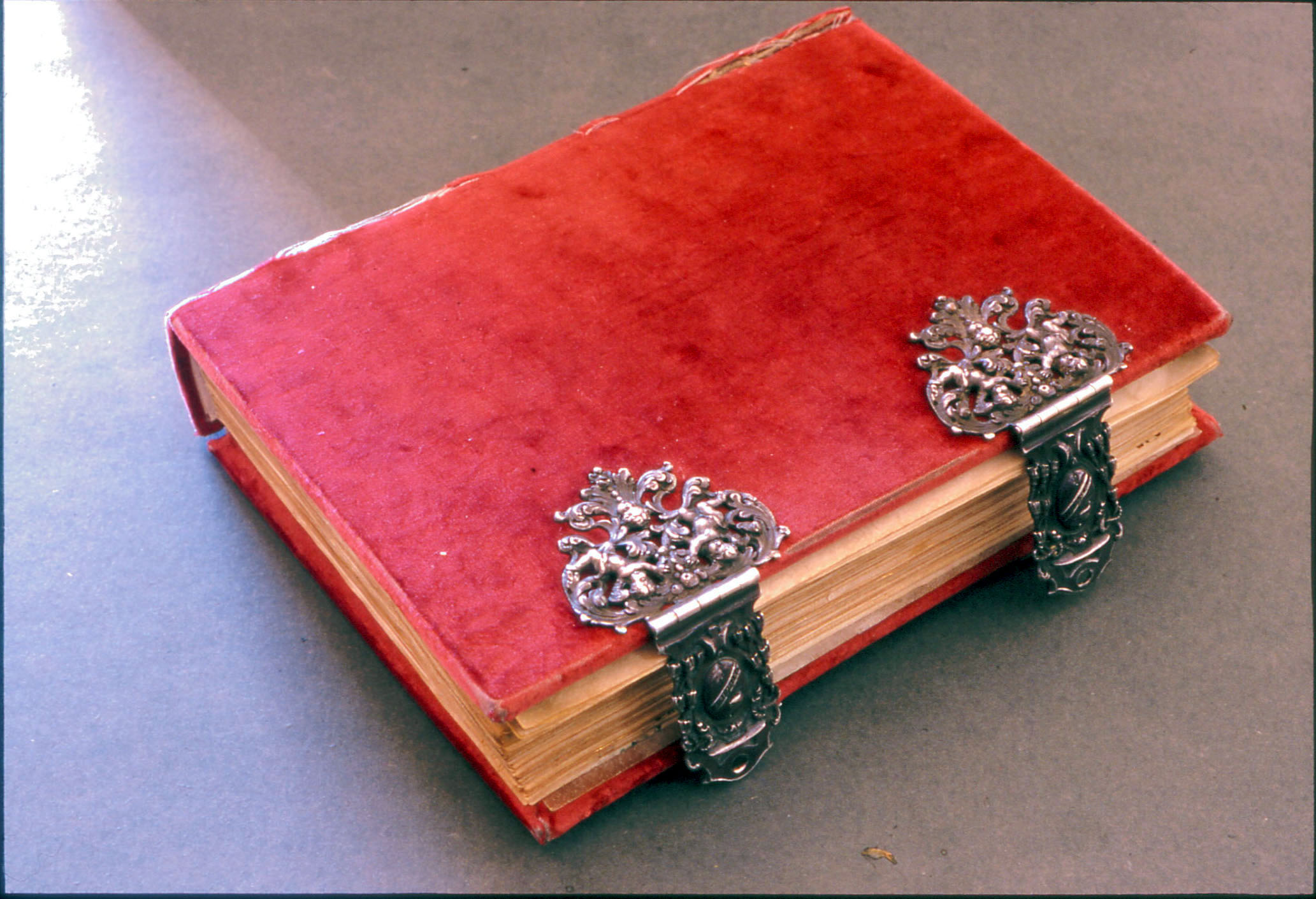
The previous binder had, in any case, left the library with remains of the velvet binding replaced at the time. This suggested that the manuscript may have always been bound in red velvet. The decision was therefore taken to readopt a conservation binding in velvet, creating a dual structure with velvet covering a binding in alum pigleather with double cords.
Restoration of the pages involved only minimal areas of the spine of the sections and two tears, using vellum and sturgeon glue.
The manuscript was stitched with a “dual thread” herringbone technique on an endpaper guard in washi, with loose strips of washi at the centre of the sections.
The parchment guards from the previous binding were not reused, as their removal from the existing structure would have been too complicated; they were substituted with a bifolium in vellum, to which a cotton flap and an alum pigleather flap were sewn, and to which the pastedown was subsequently sewn, together with a strip of parchment.
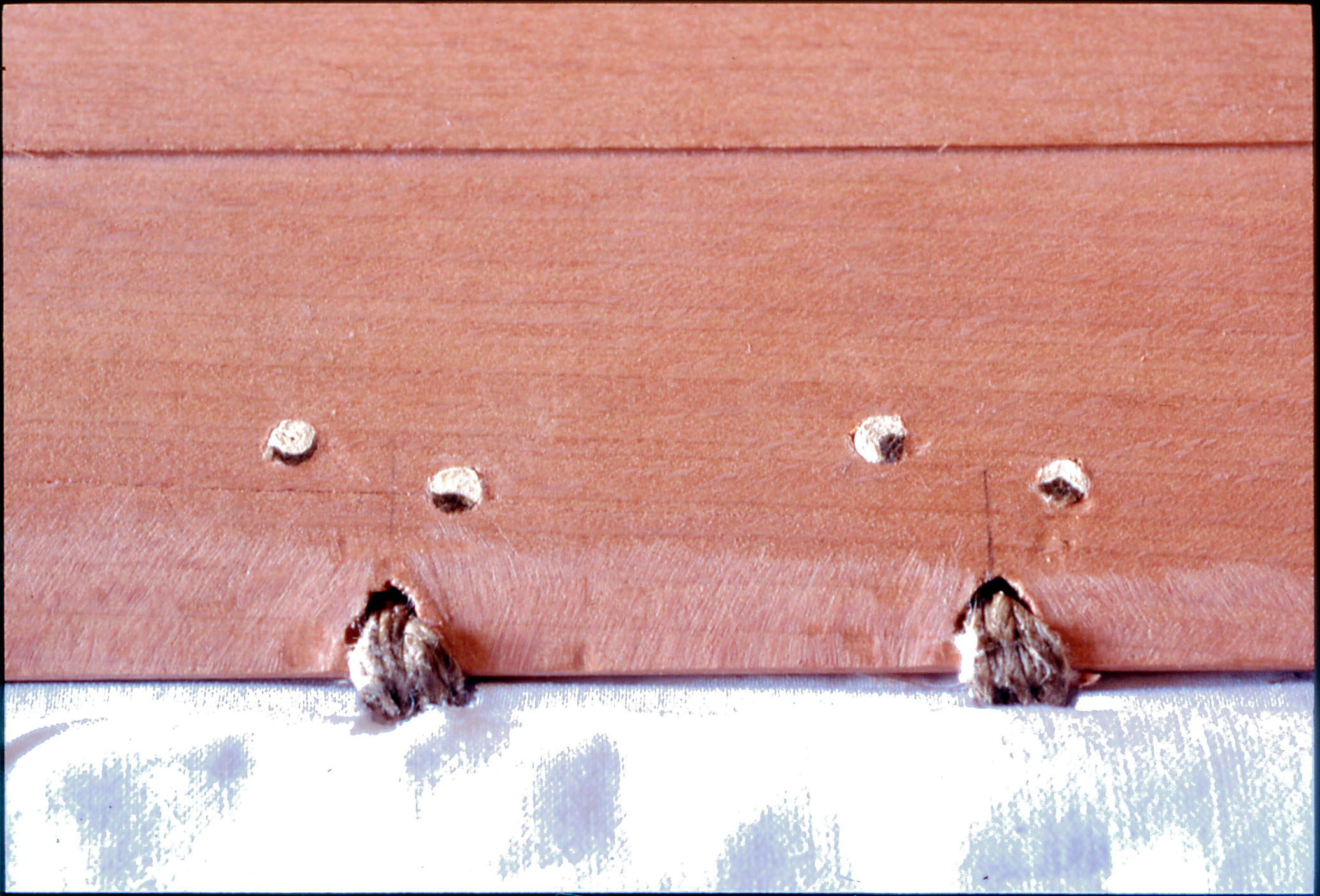
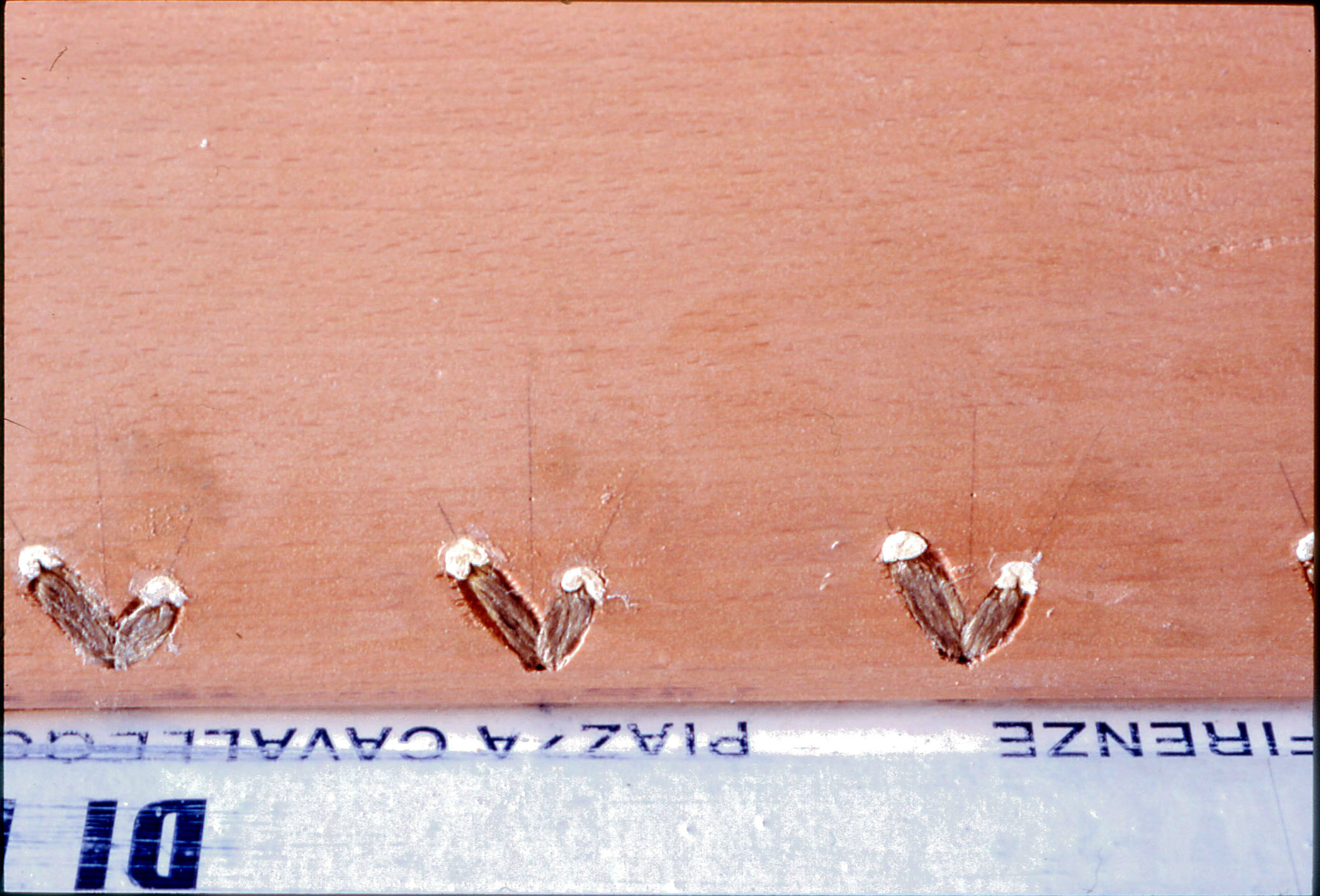
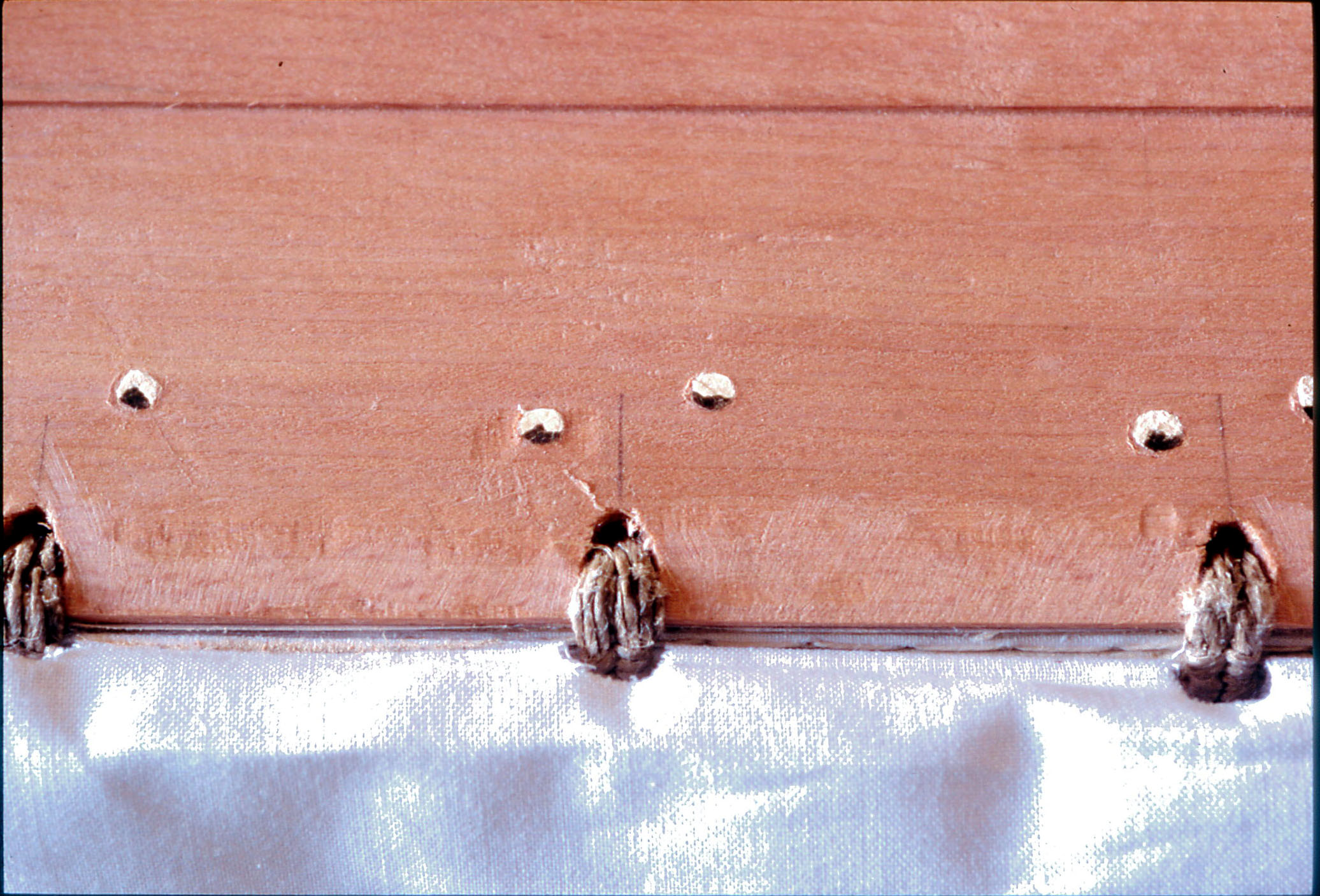
The solid steamed-beach boards were then anchored to the manuscript with wedges of alum leather rather than wooden pegs. The boards were processed to allow the alum-leather cover to be fitted to the external face.
The volume was then backed with washi and cotton fabric, after which the endbands were sewn on, first with a simple single-needle stitch followed by reinforcement under the chain stitch, and then with subsequent secondary stitching with two “chevron” bands.
The first cover, in alum pigleather, was attached to the spine, without turn-ins, and anchored with jin shofu wheat-starch glue. The second cover in silk velvet was fitted over the first cover, with the faces and turn-ins fully anchored with jin shofu wheat-starch glue and with the spine left unattached.
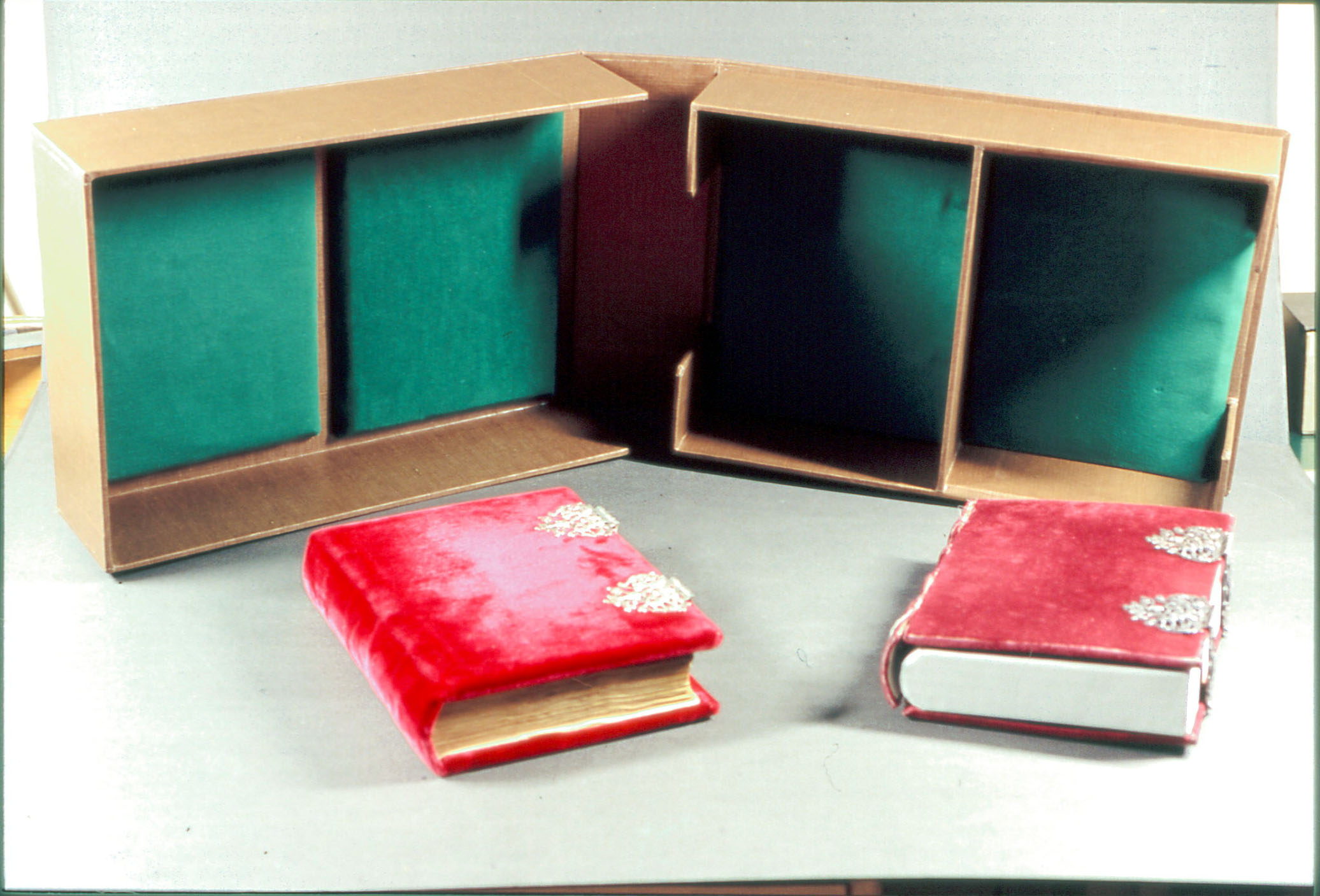
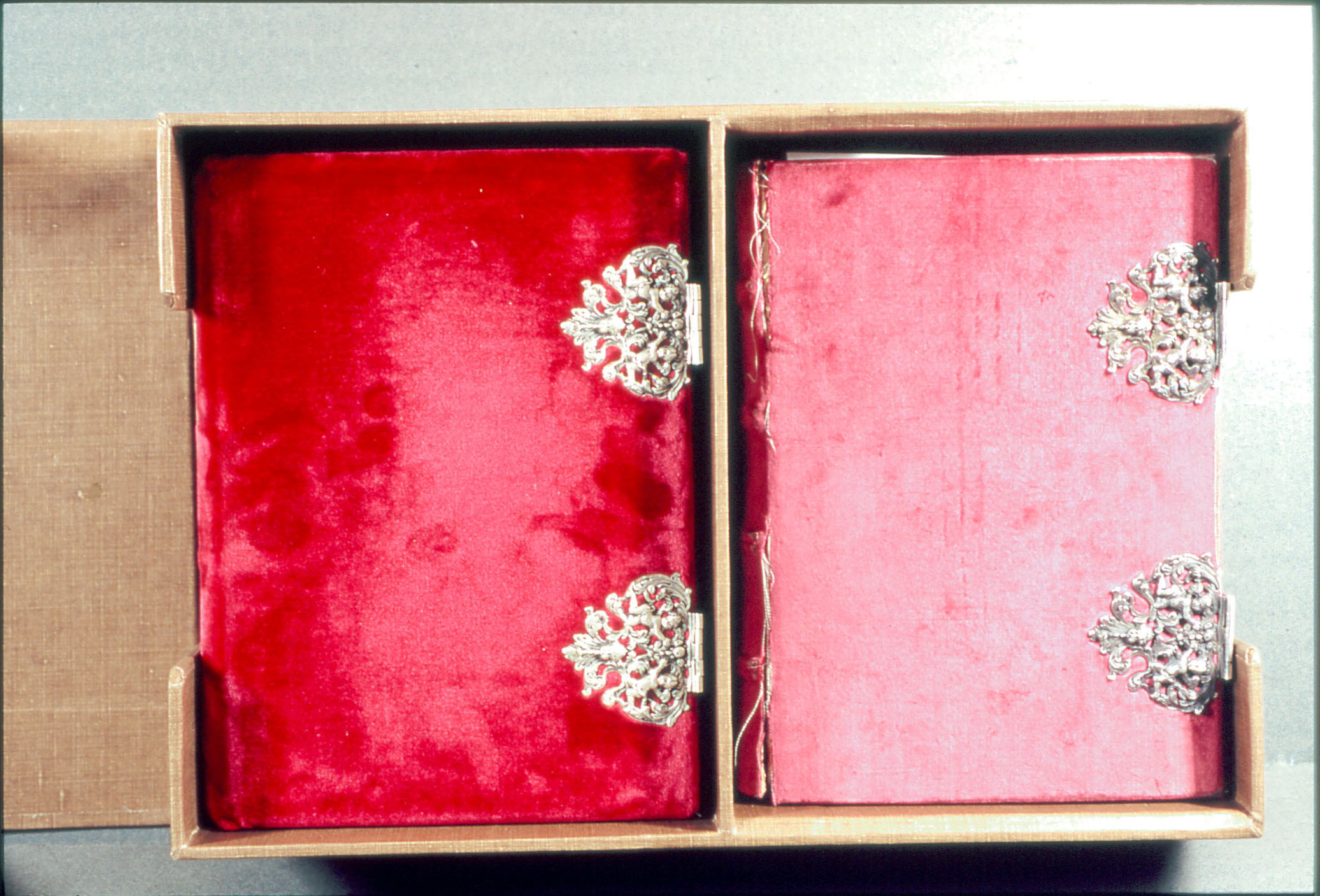
The book was then fitted with silver clasps, leaving the “original” clasps on the previous binding.
The pastedowns were then fully anchored to the inner boards with jin shofu wheat-starch glue.
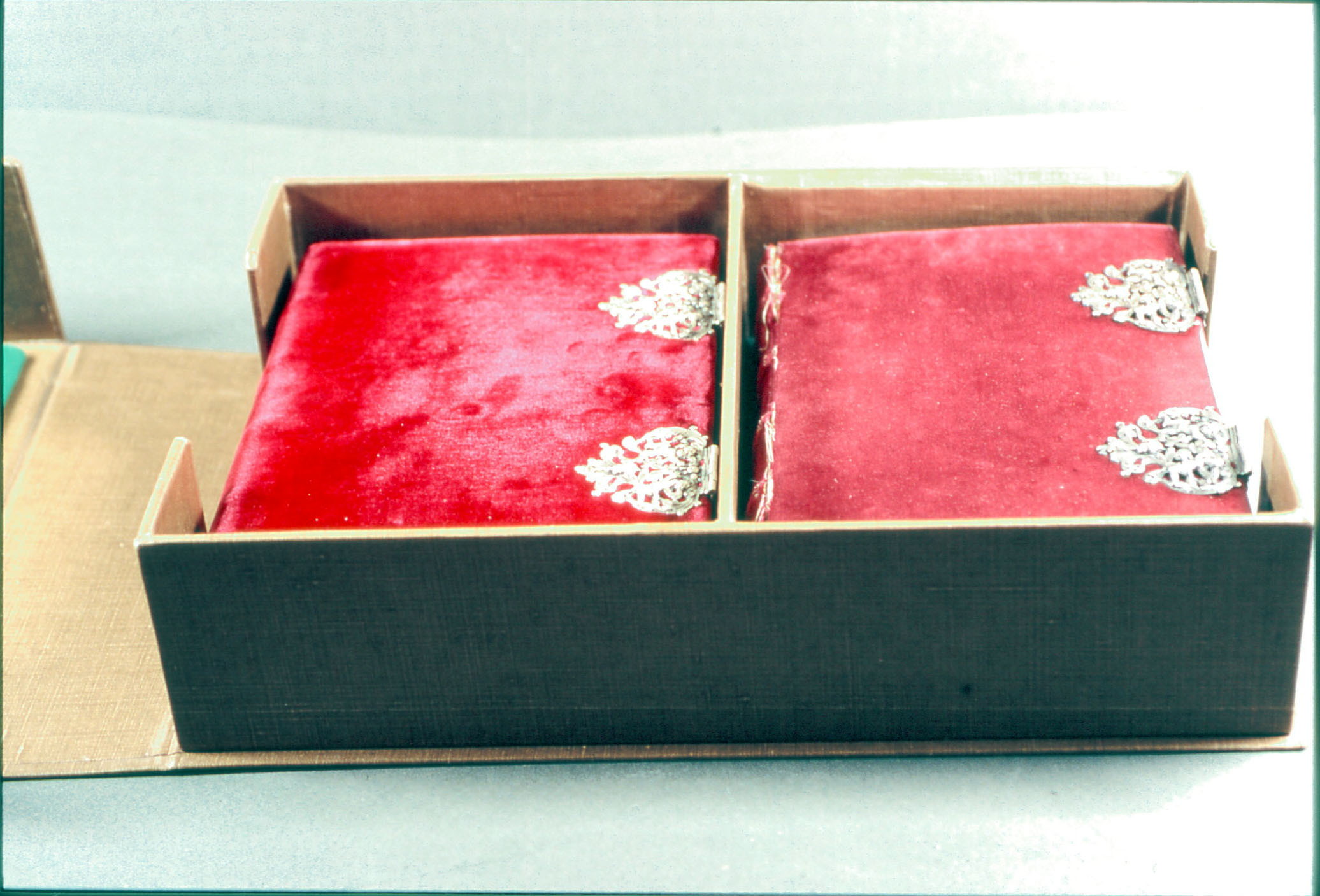
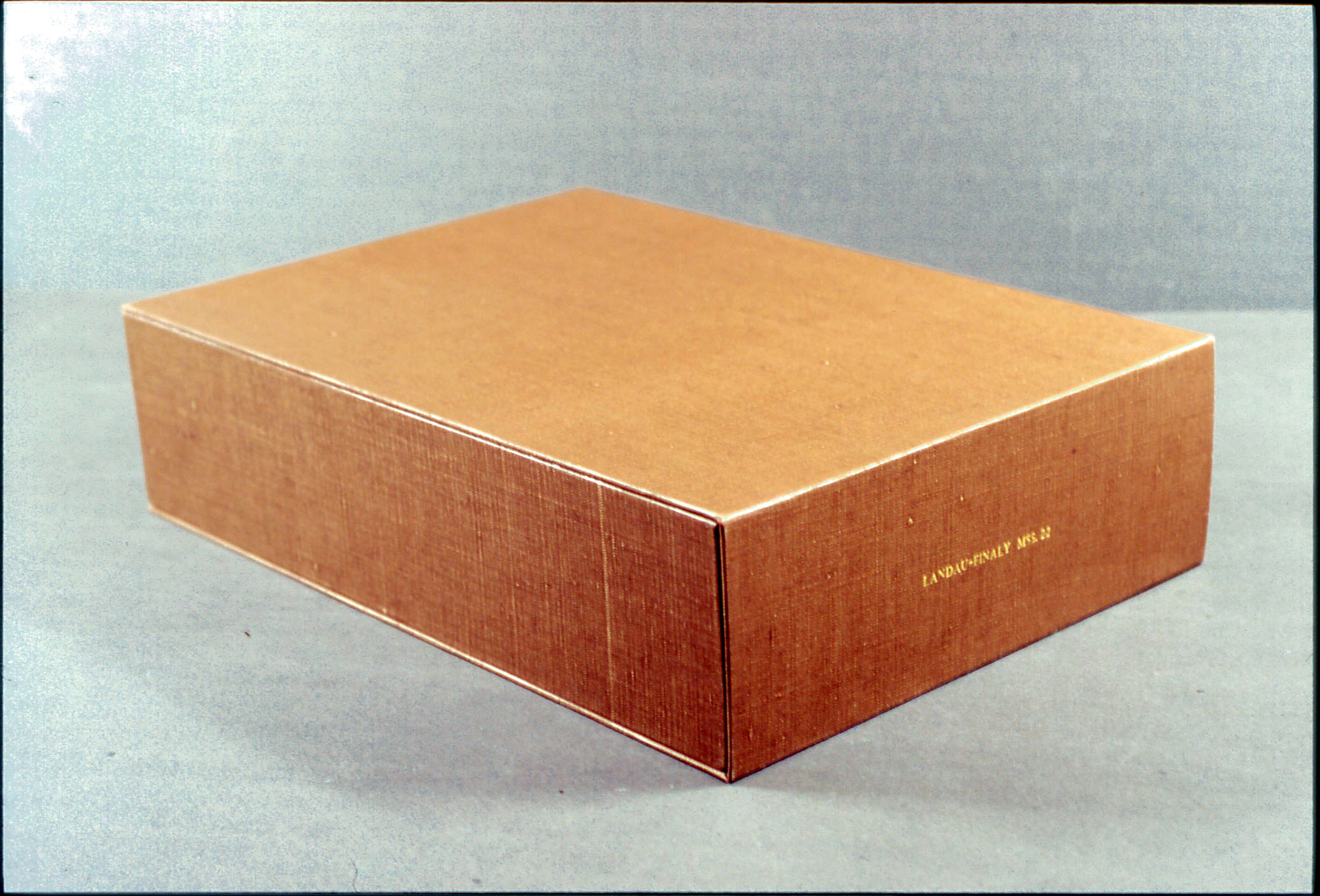
A box was made for the volume, comprised of two adjacent compartments: one for the restored book and the other for the previous binding. A block of foam board was made for the previous binding, allowing the clasps to be kept fastened. Two inert Plastazone foam cushions covered in cotton felt were inserted into the box. The book can be placed, open, in the wider box cover, which can therefore serve as a bookstand for displaying the manuscript.
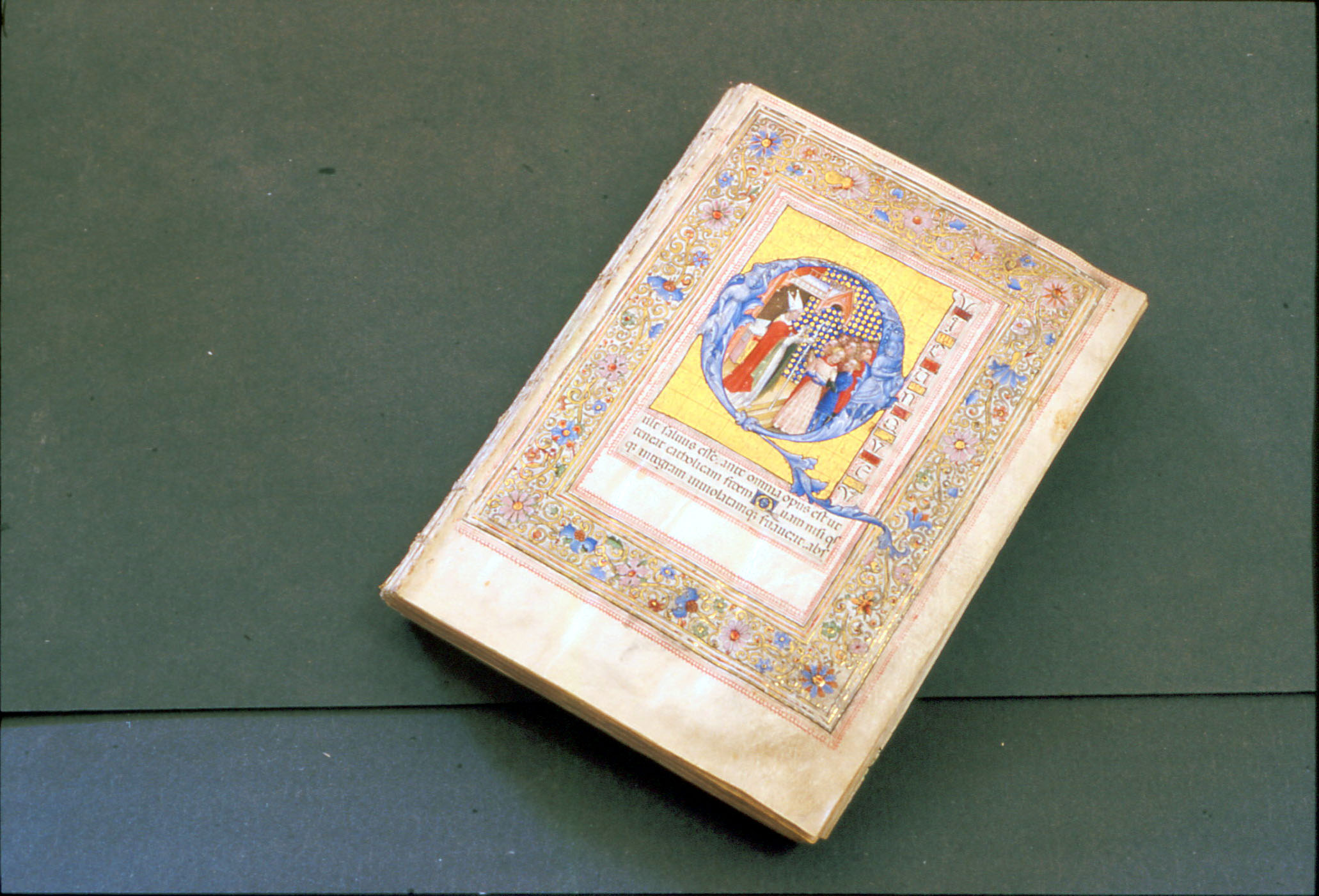
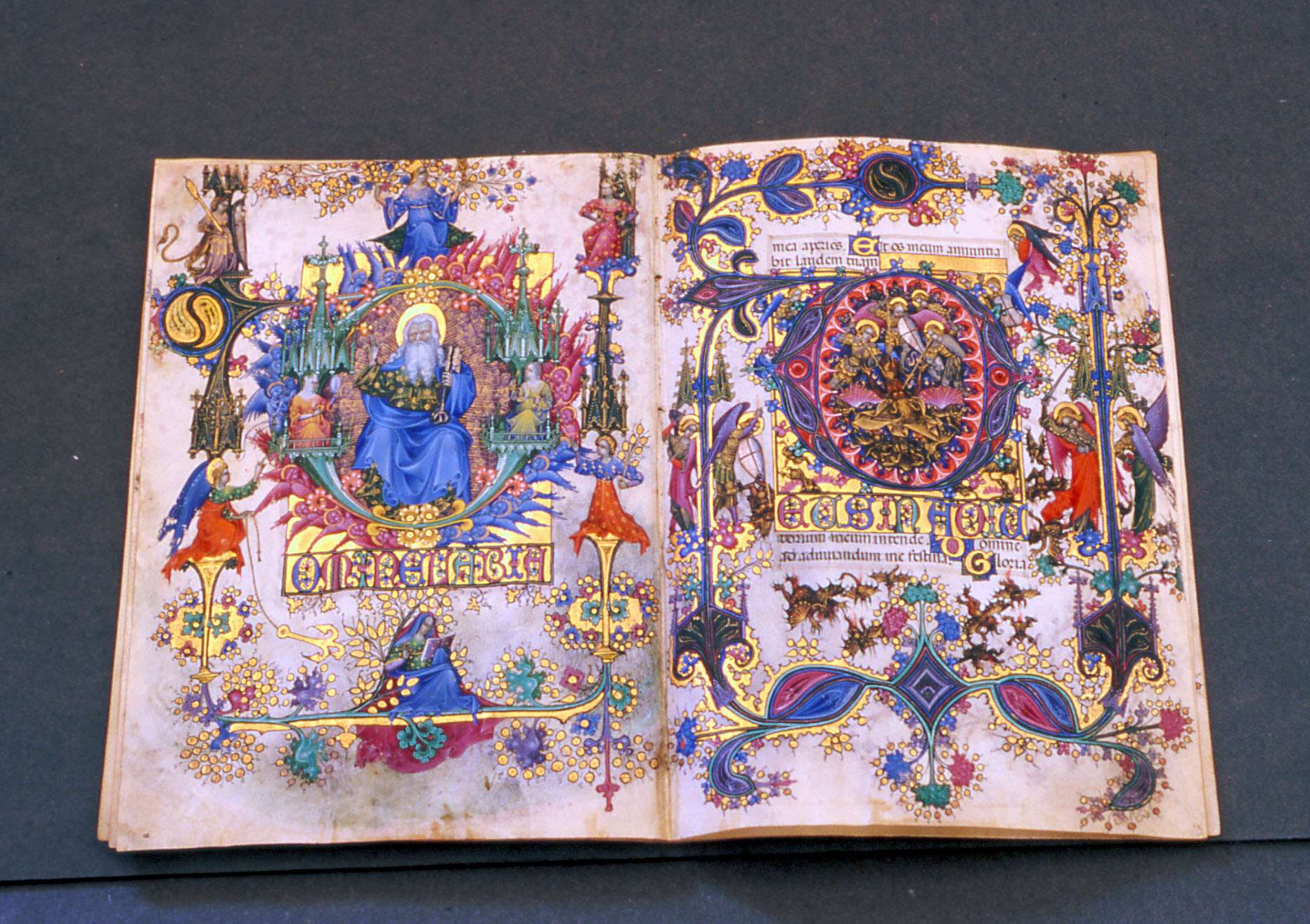
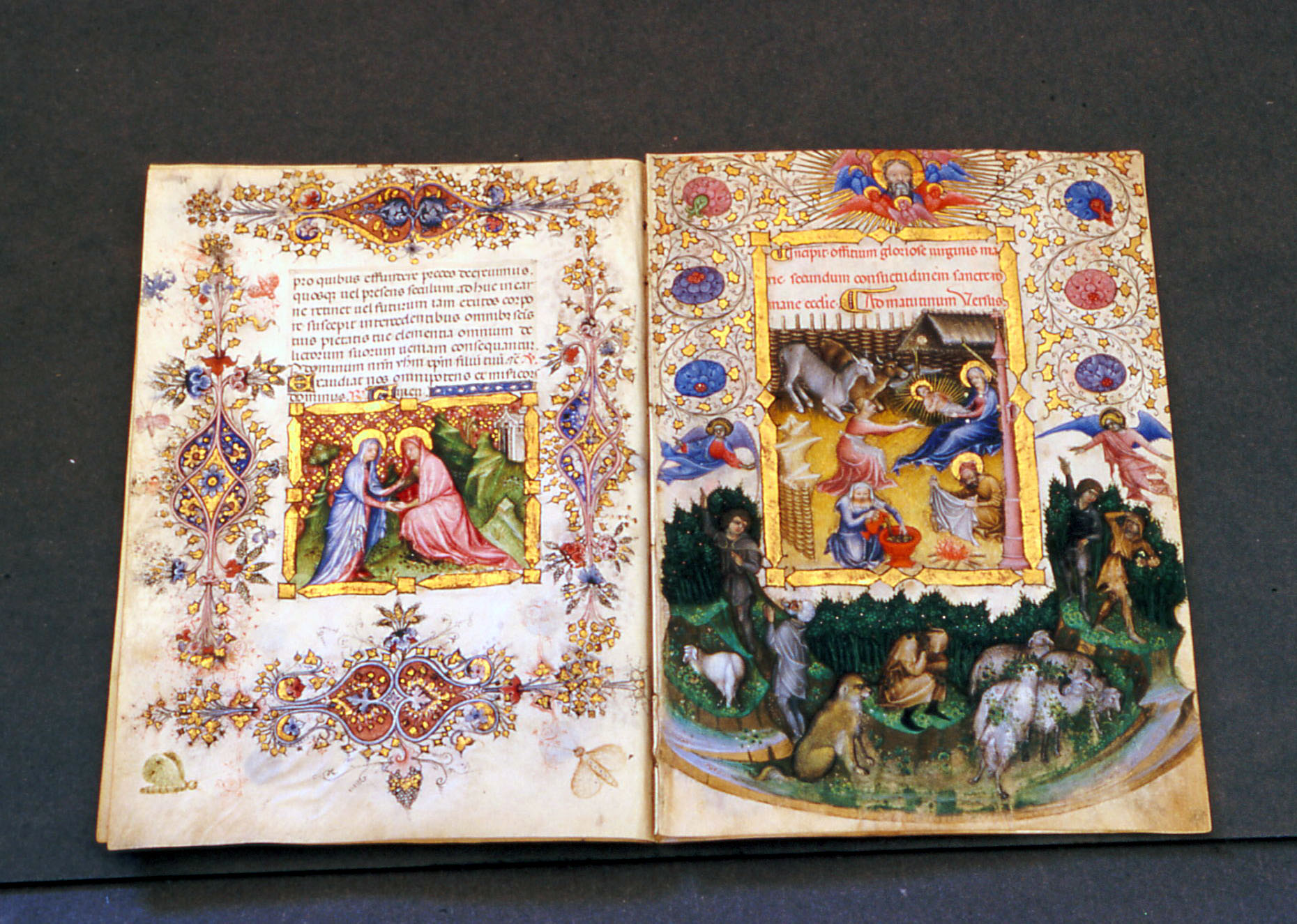
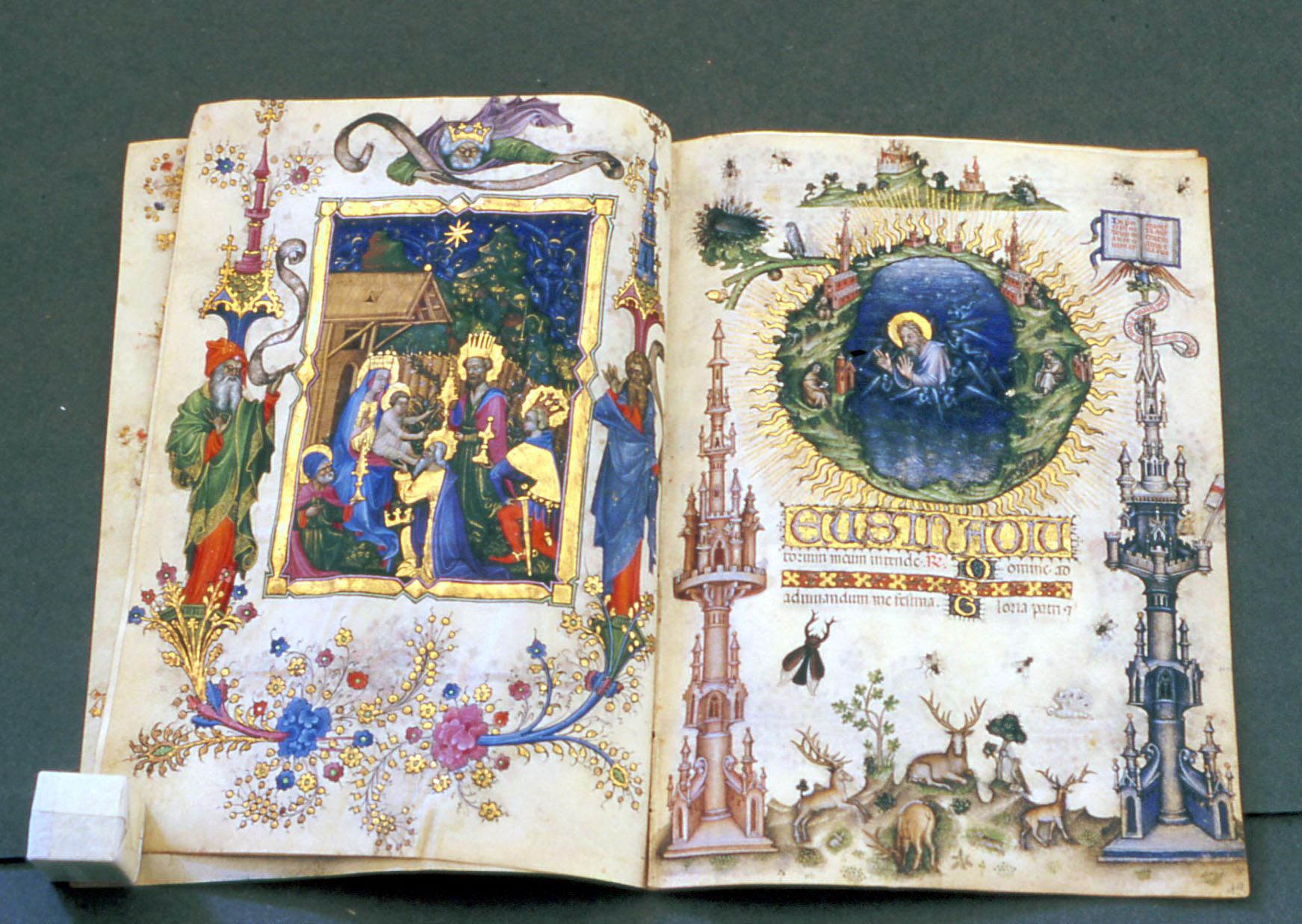
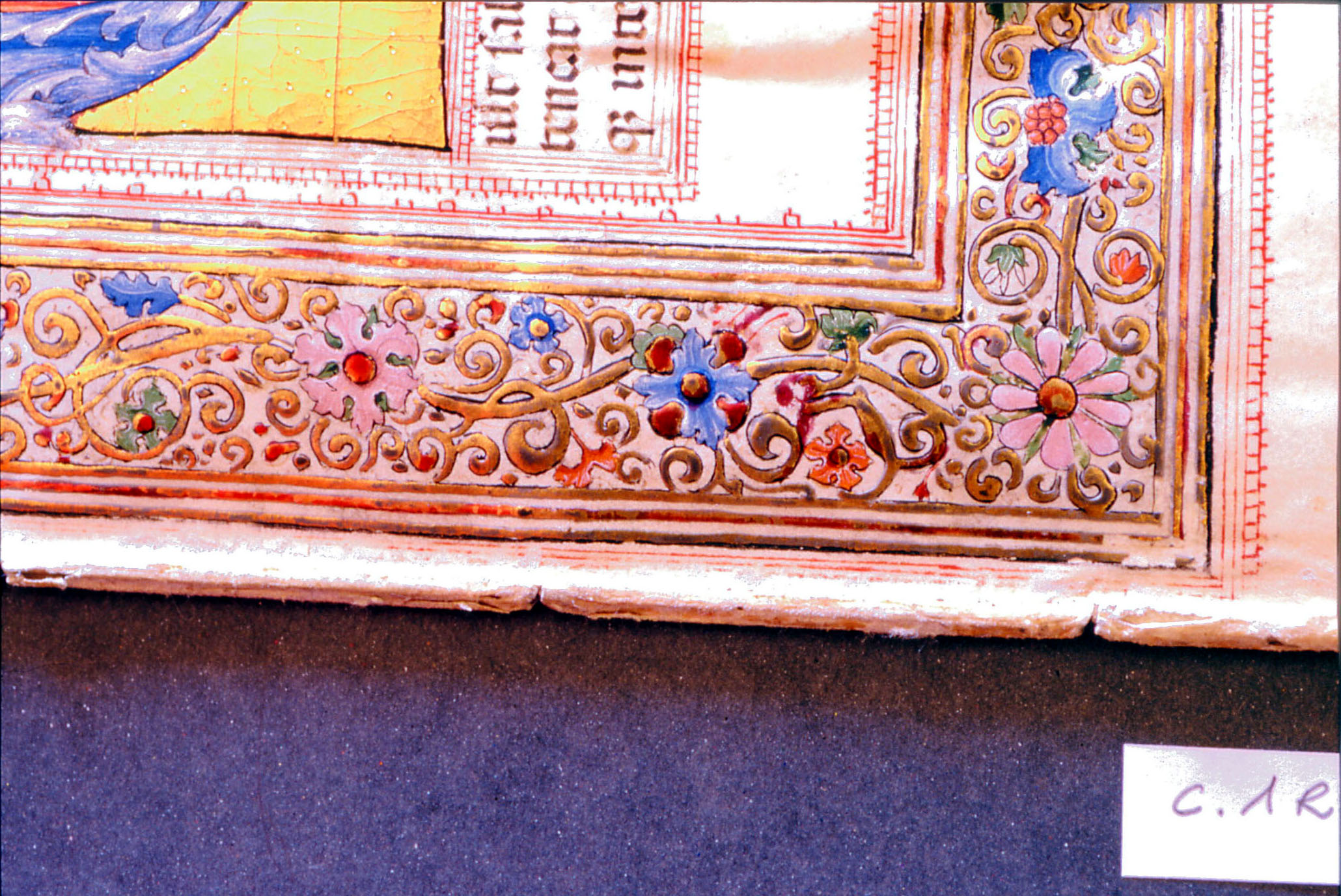
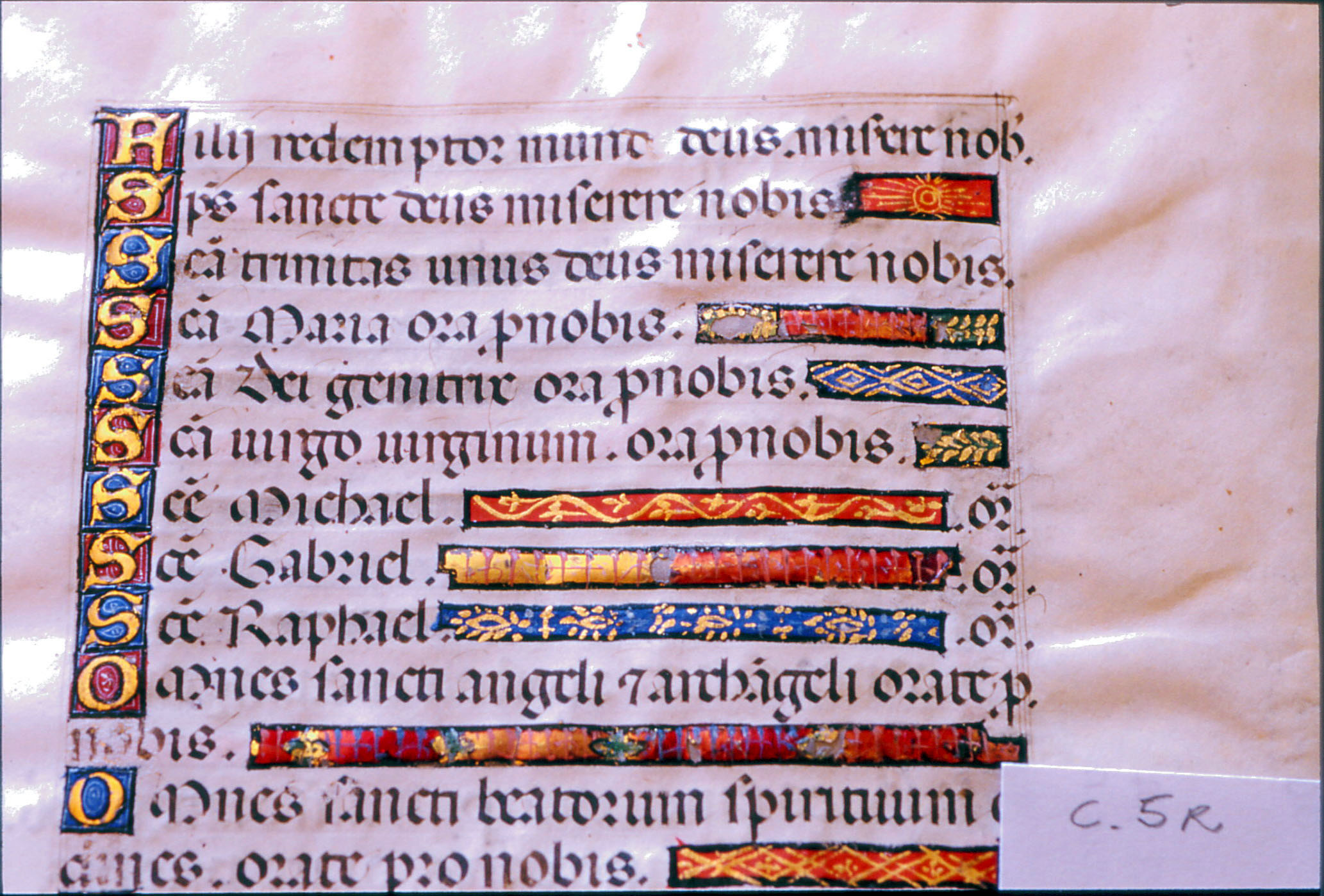
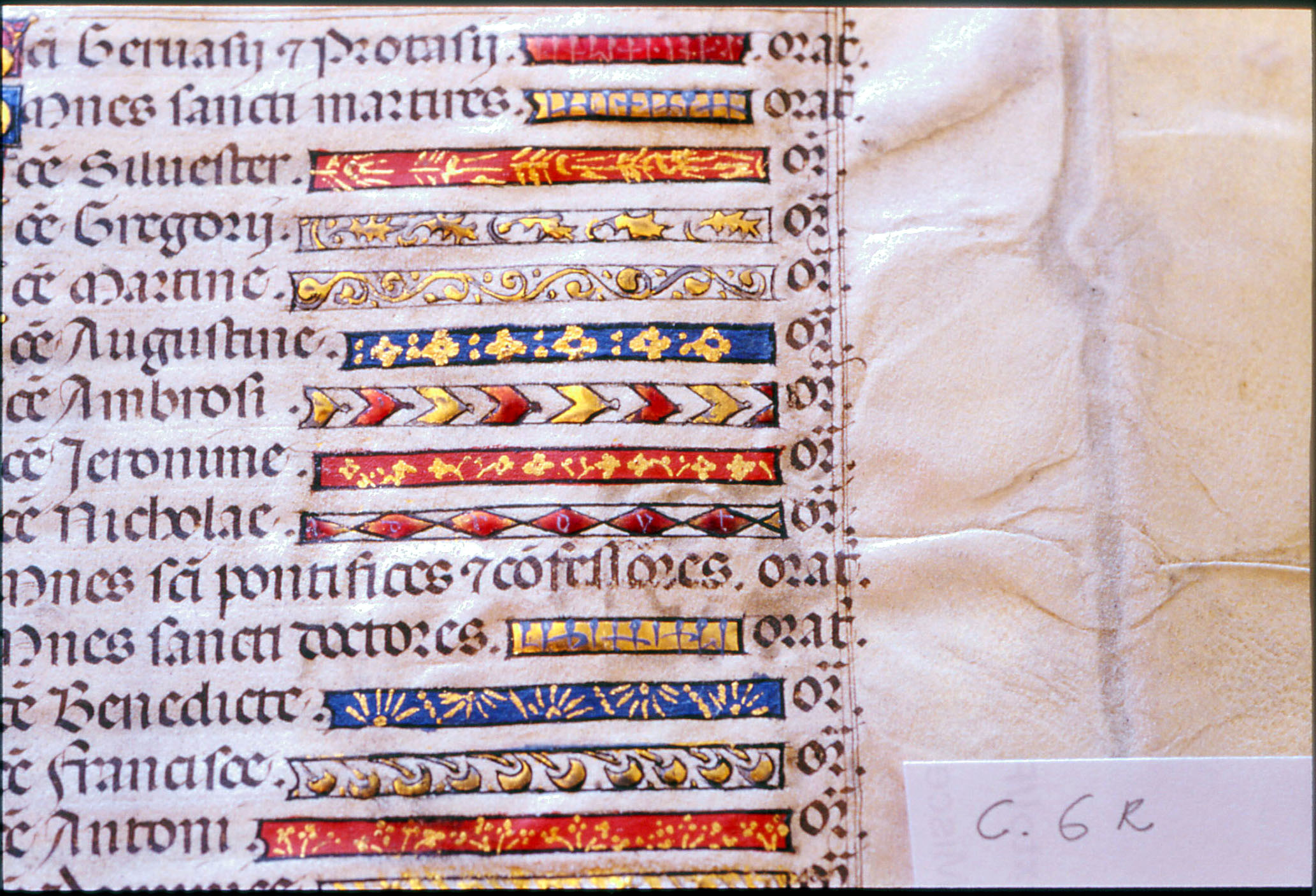
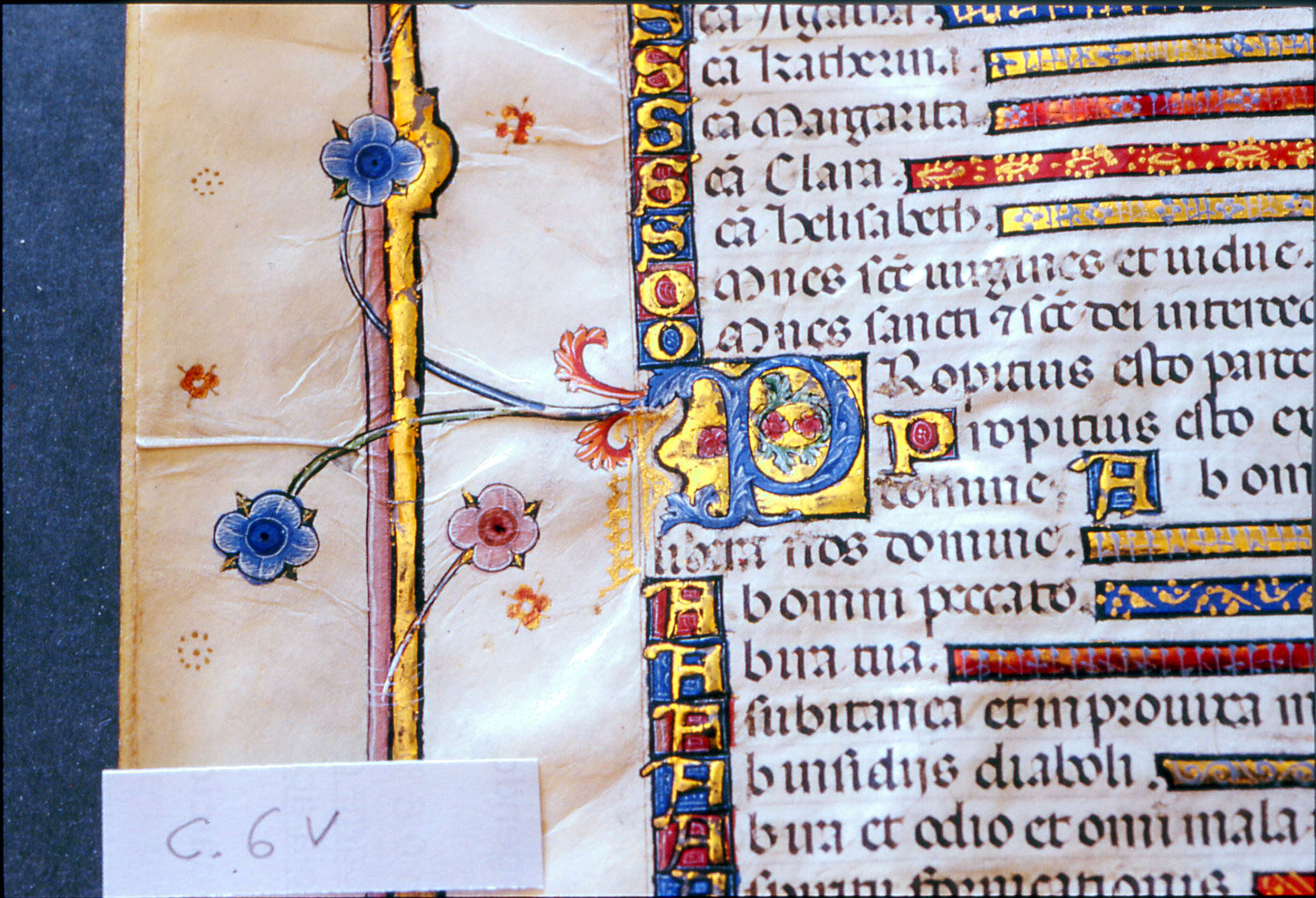
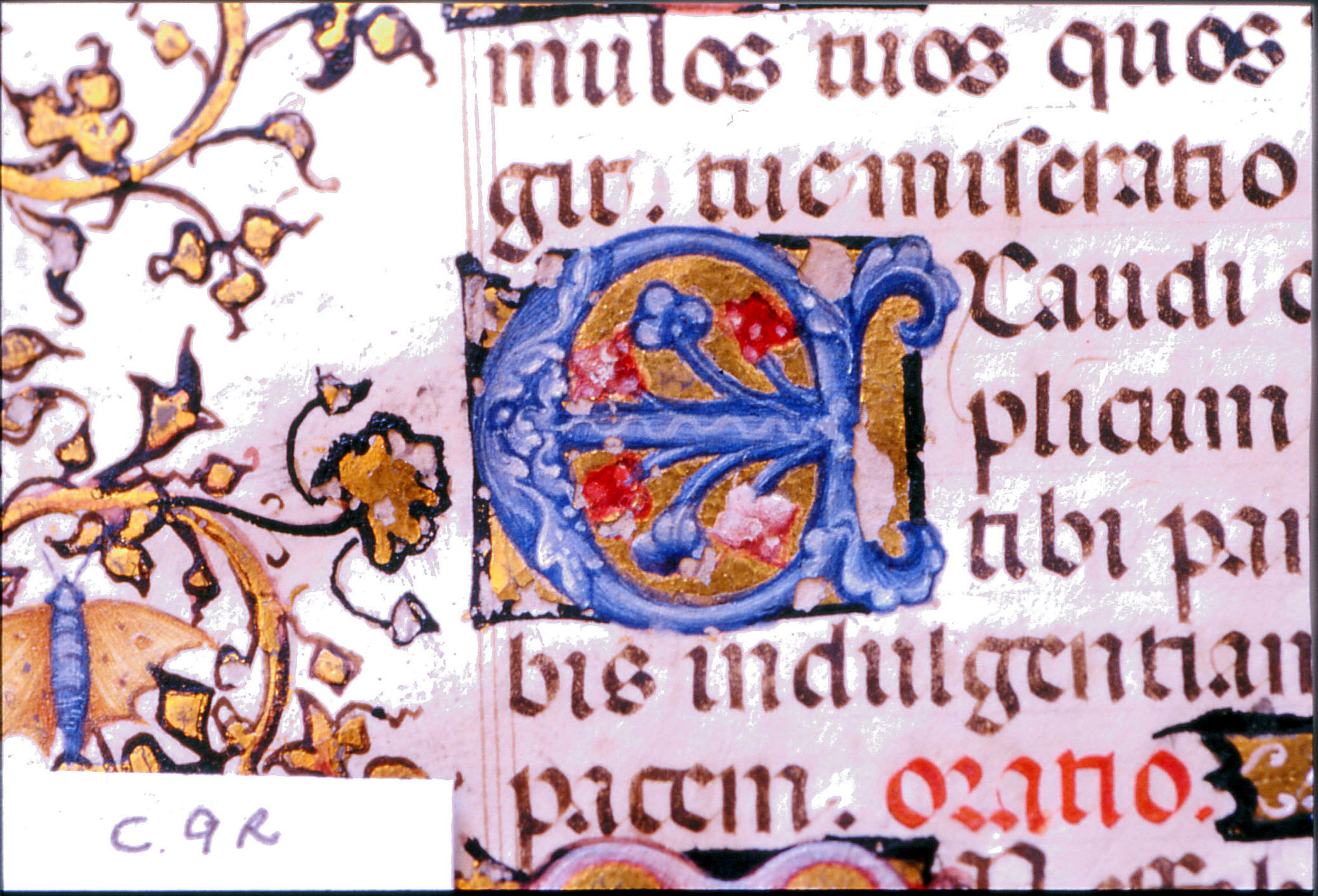
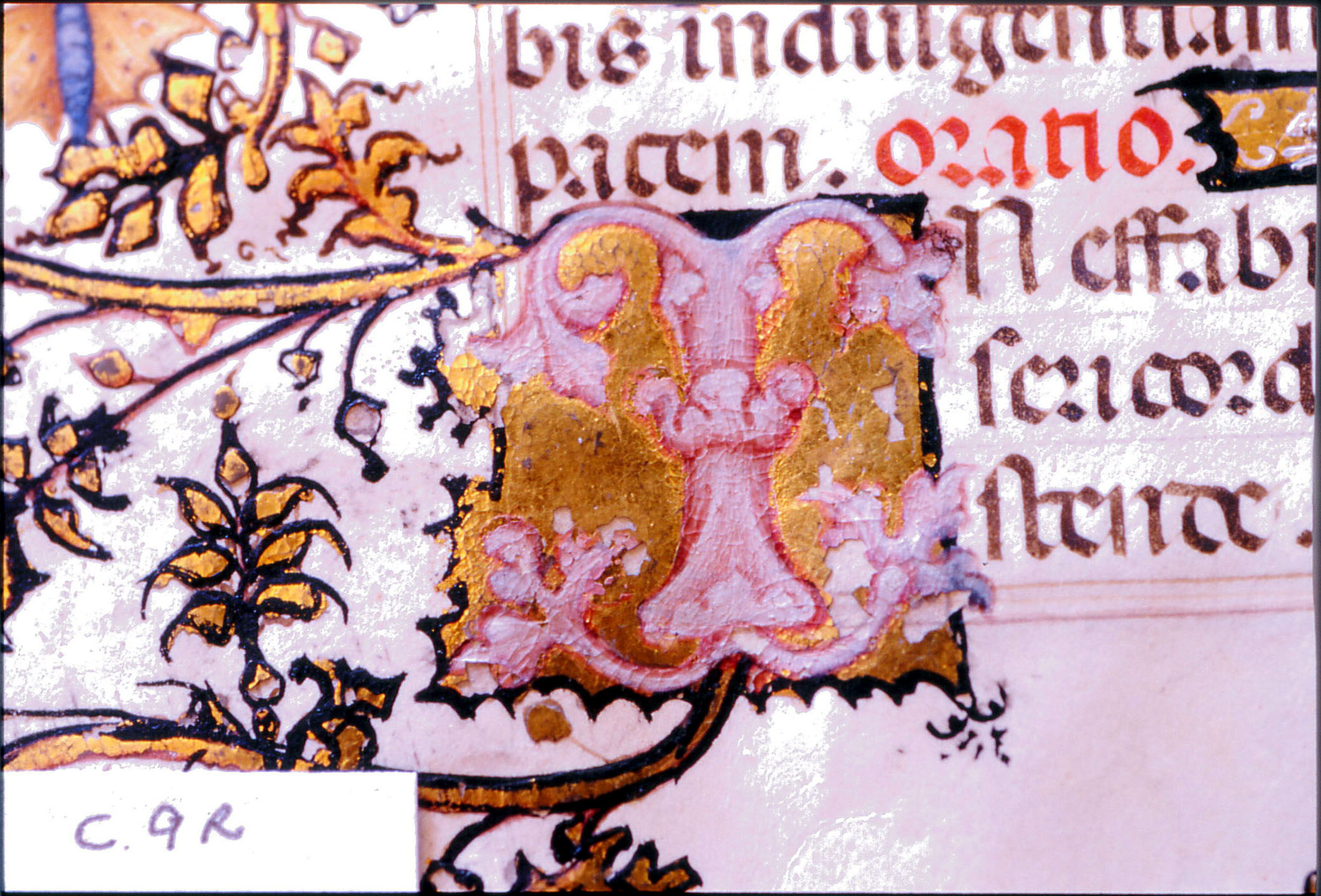
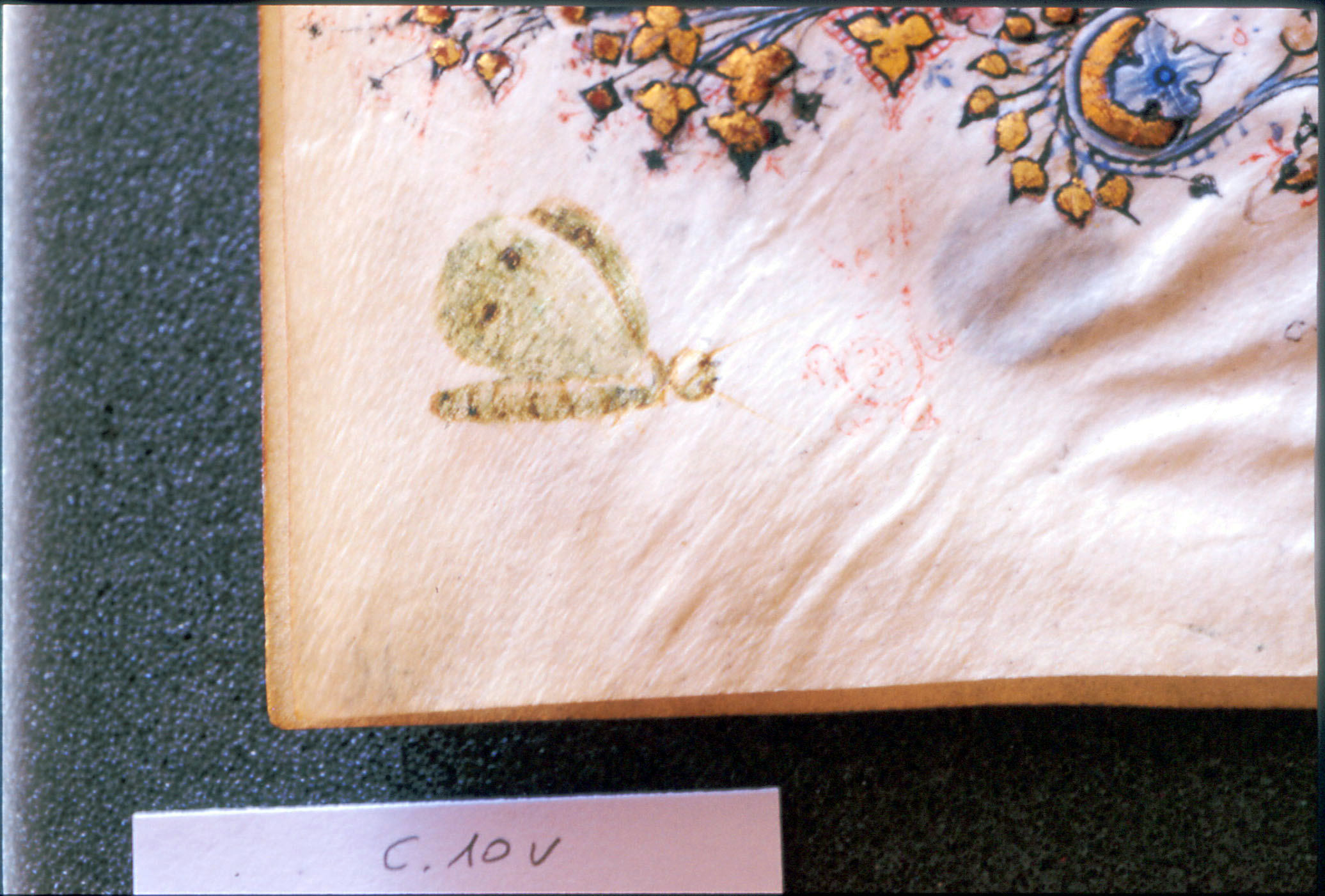
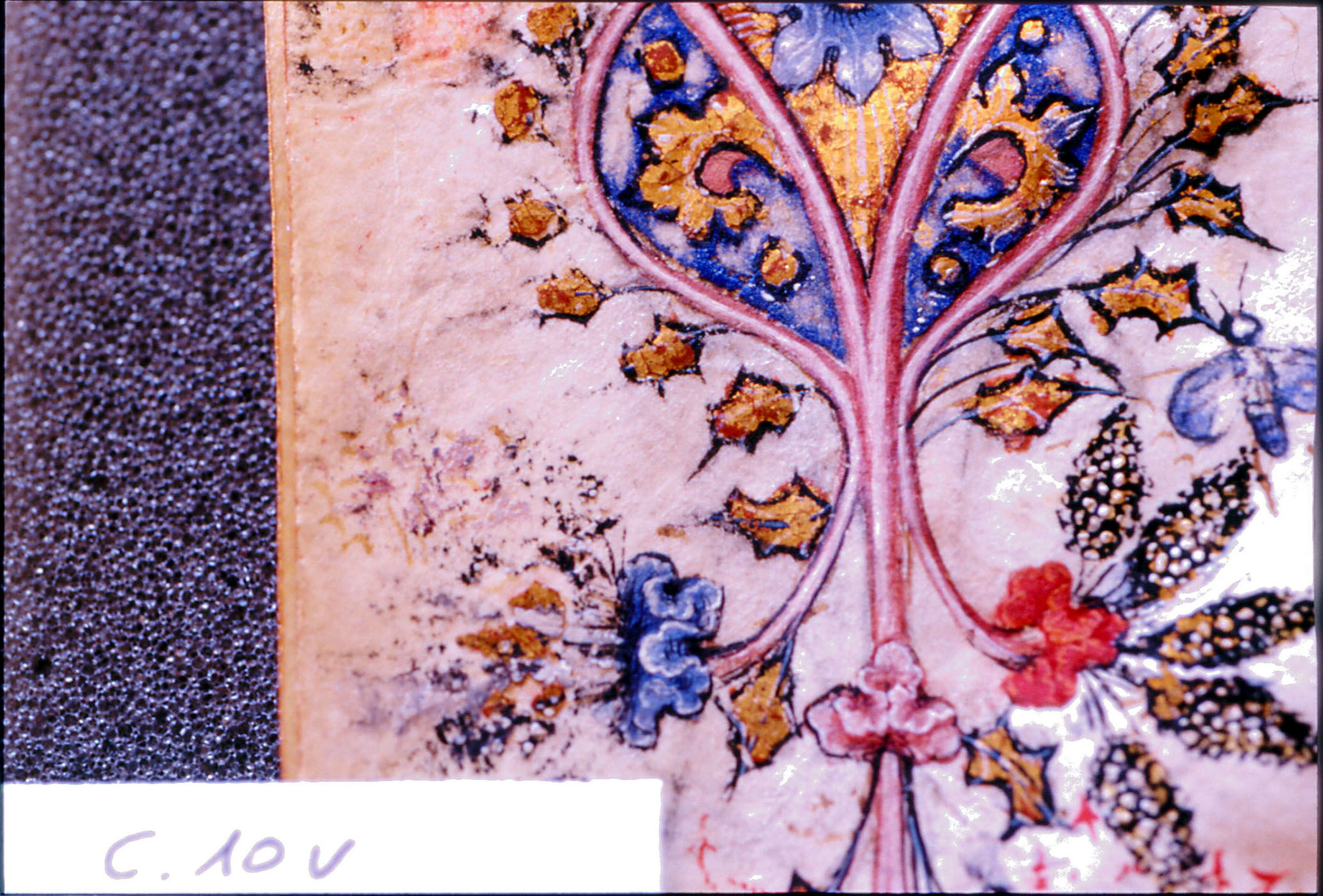
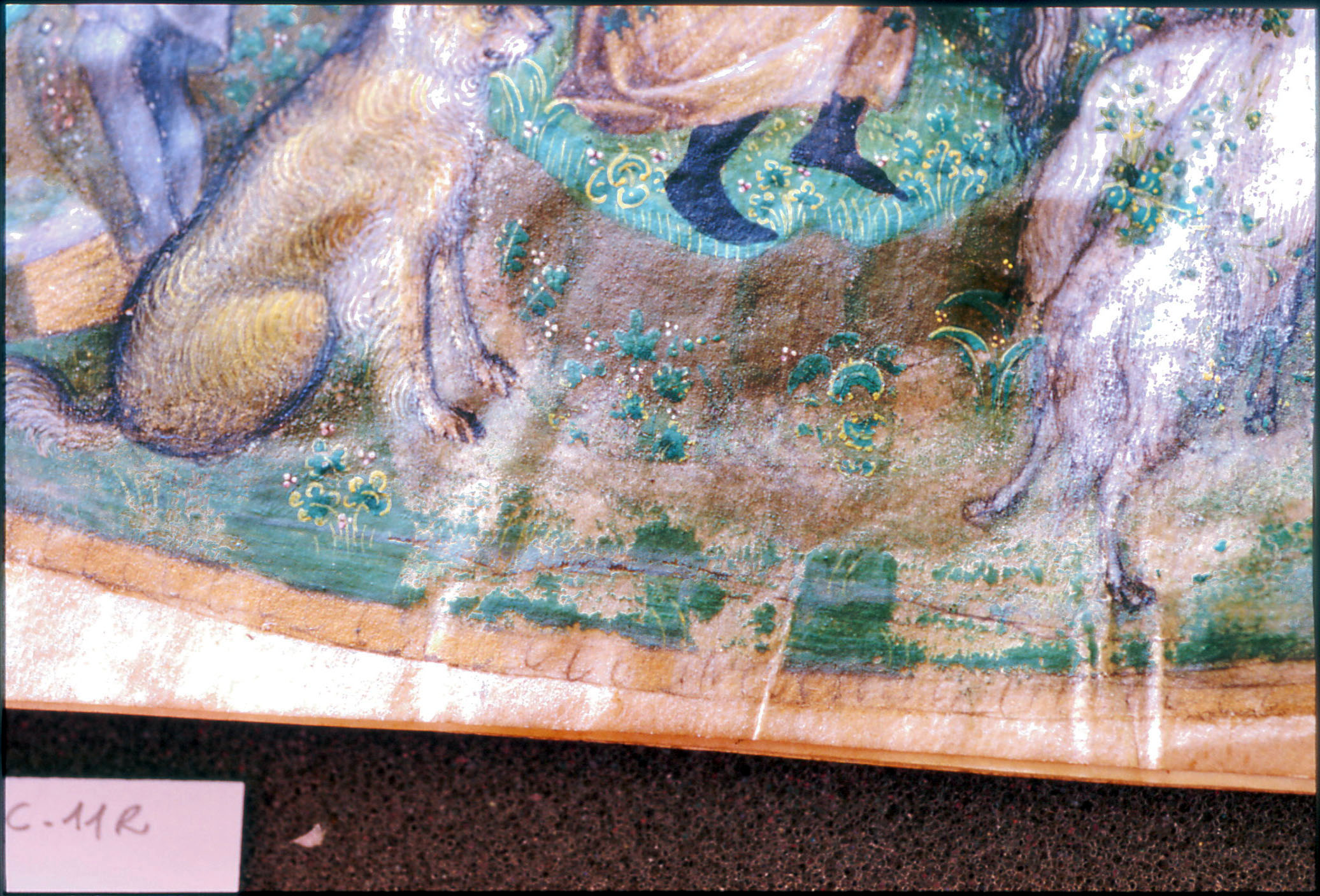
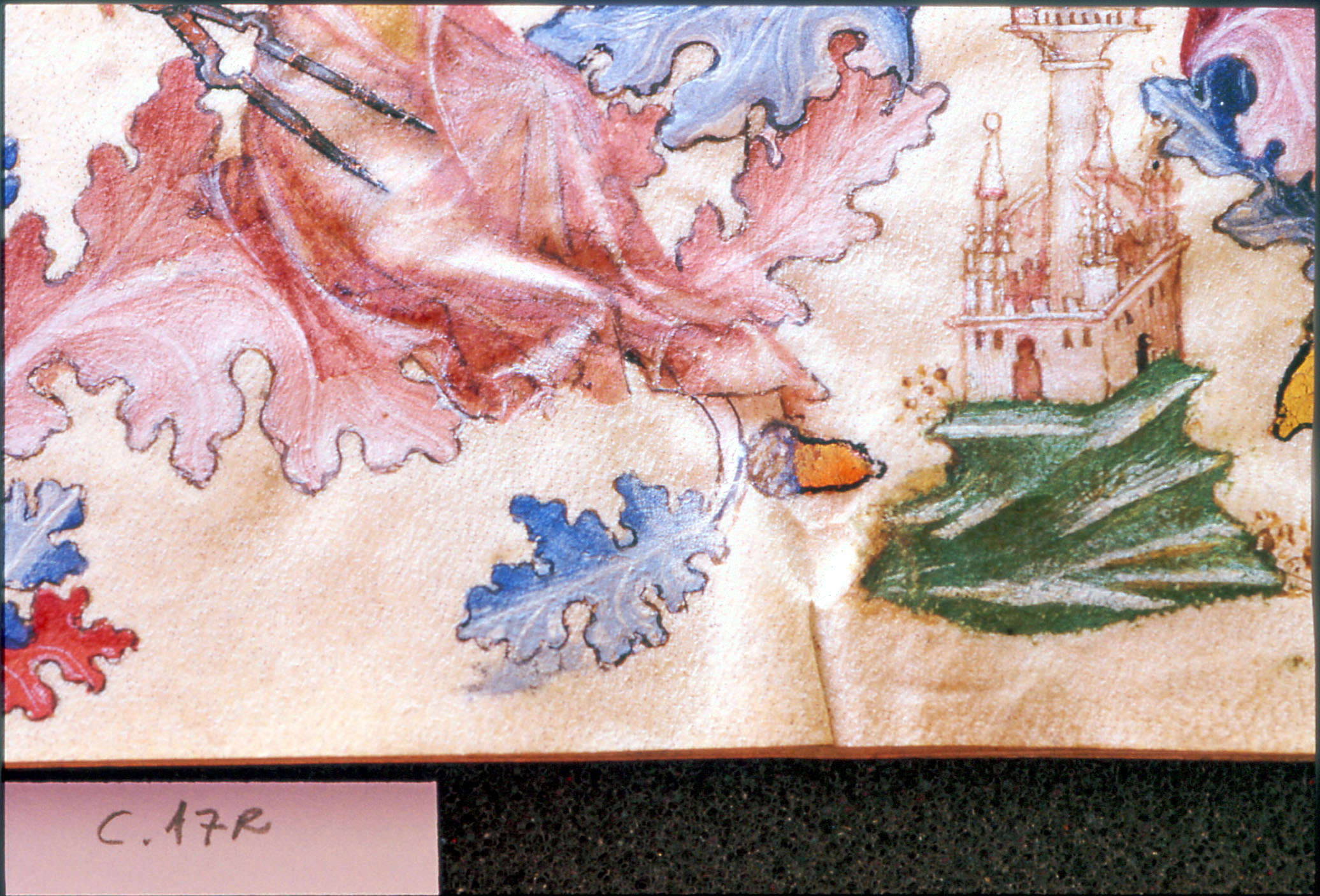
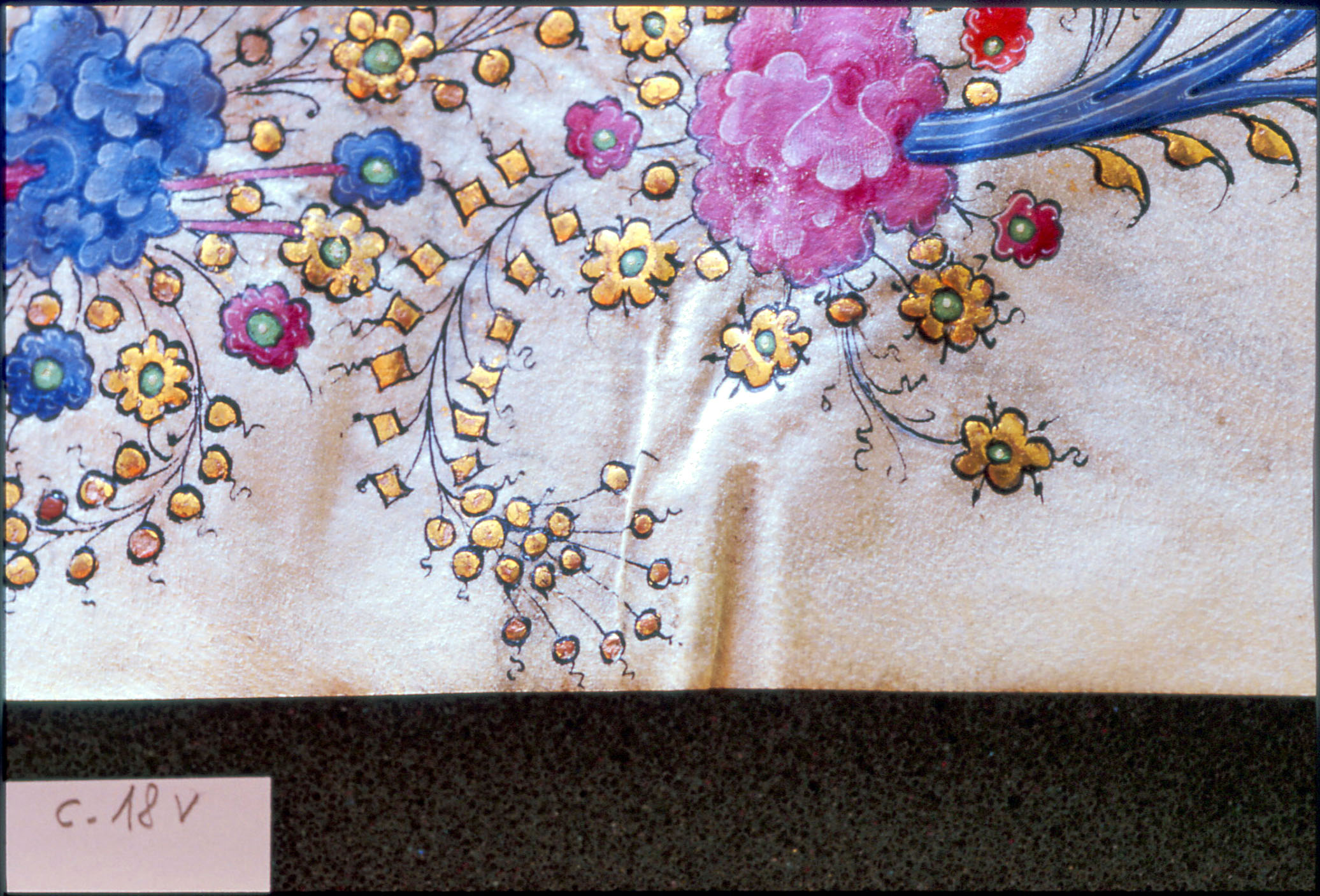
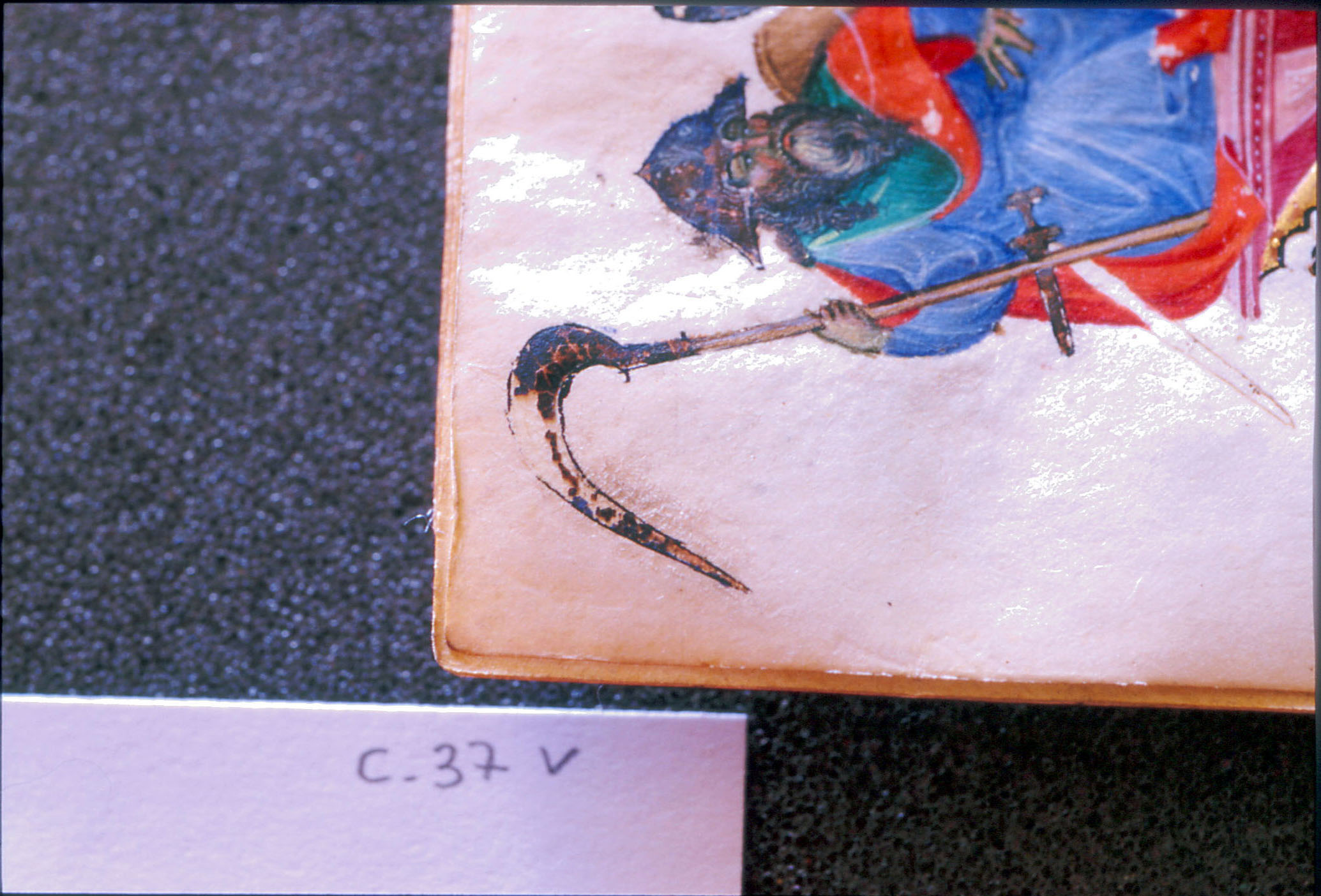
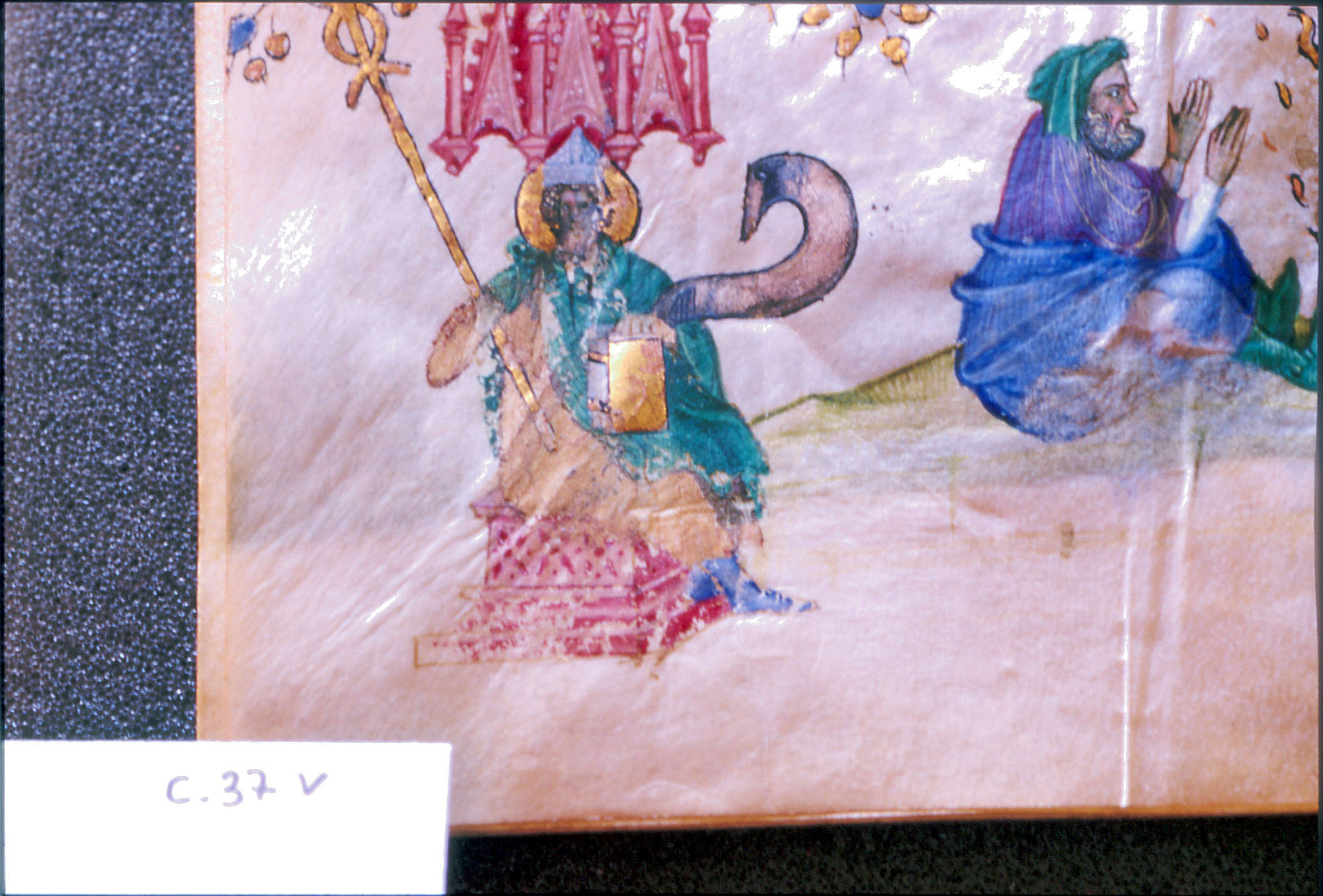
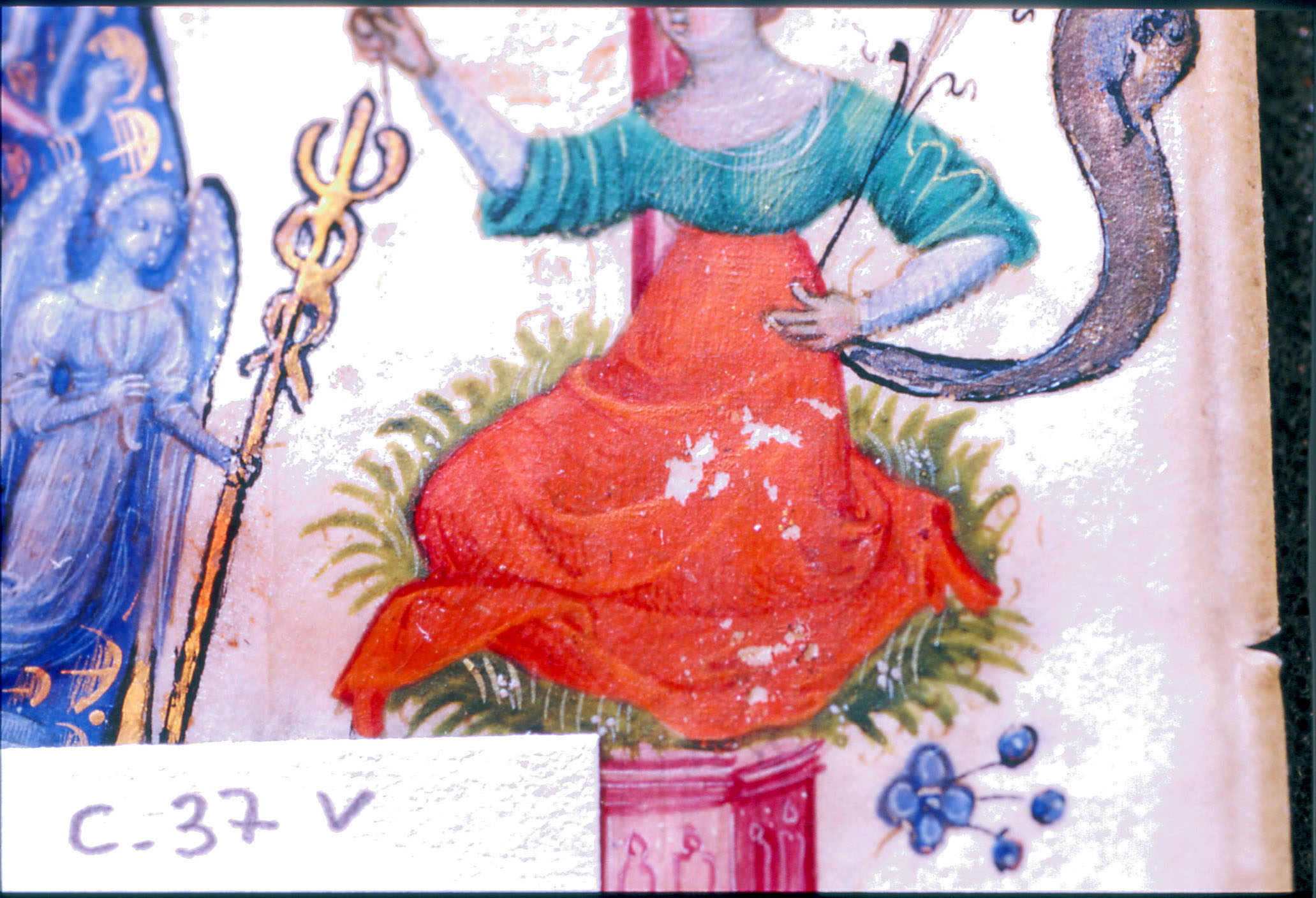
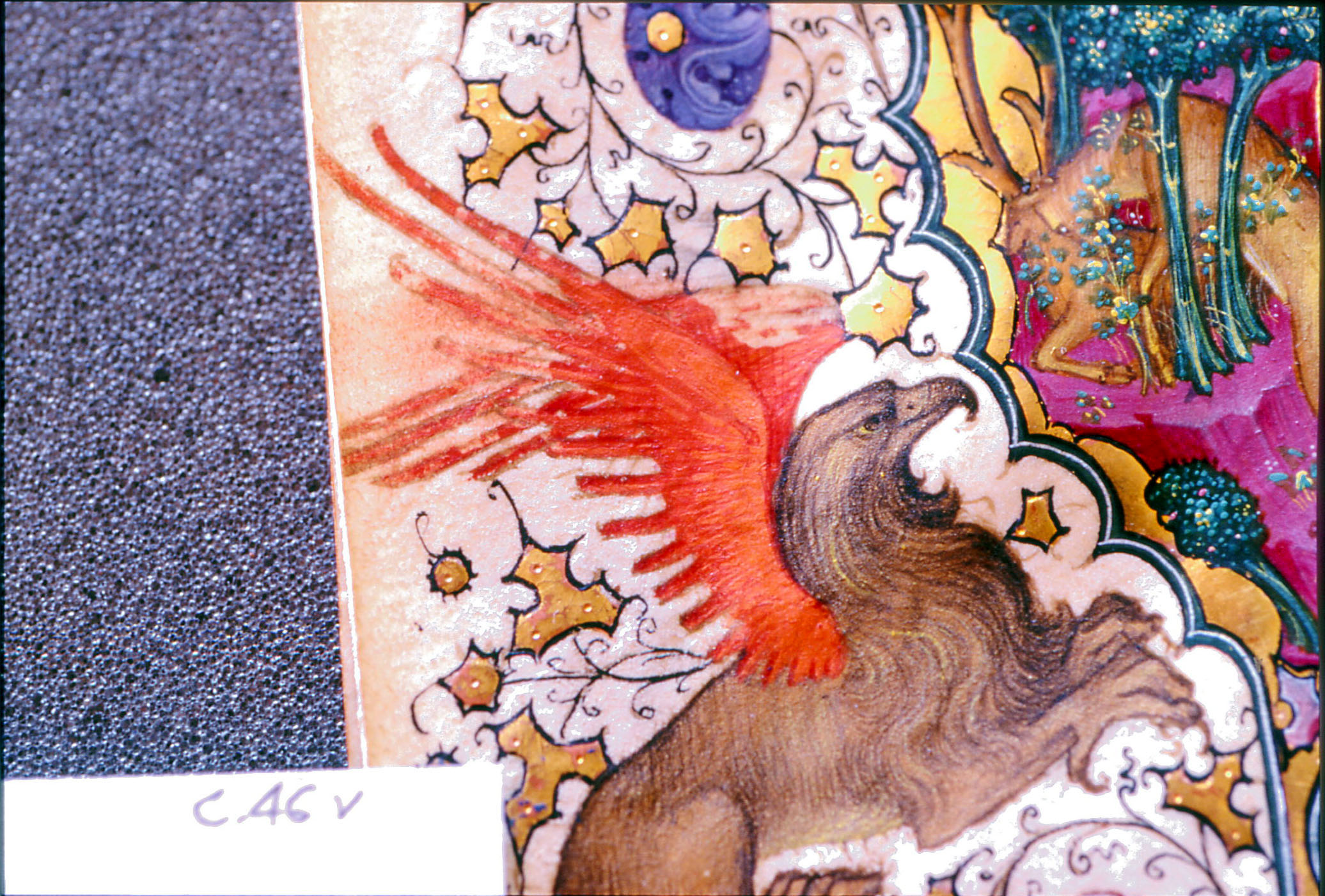
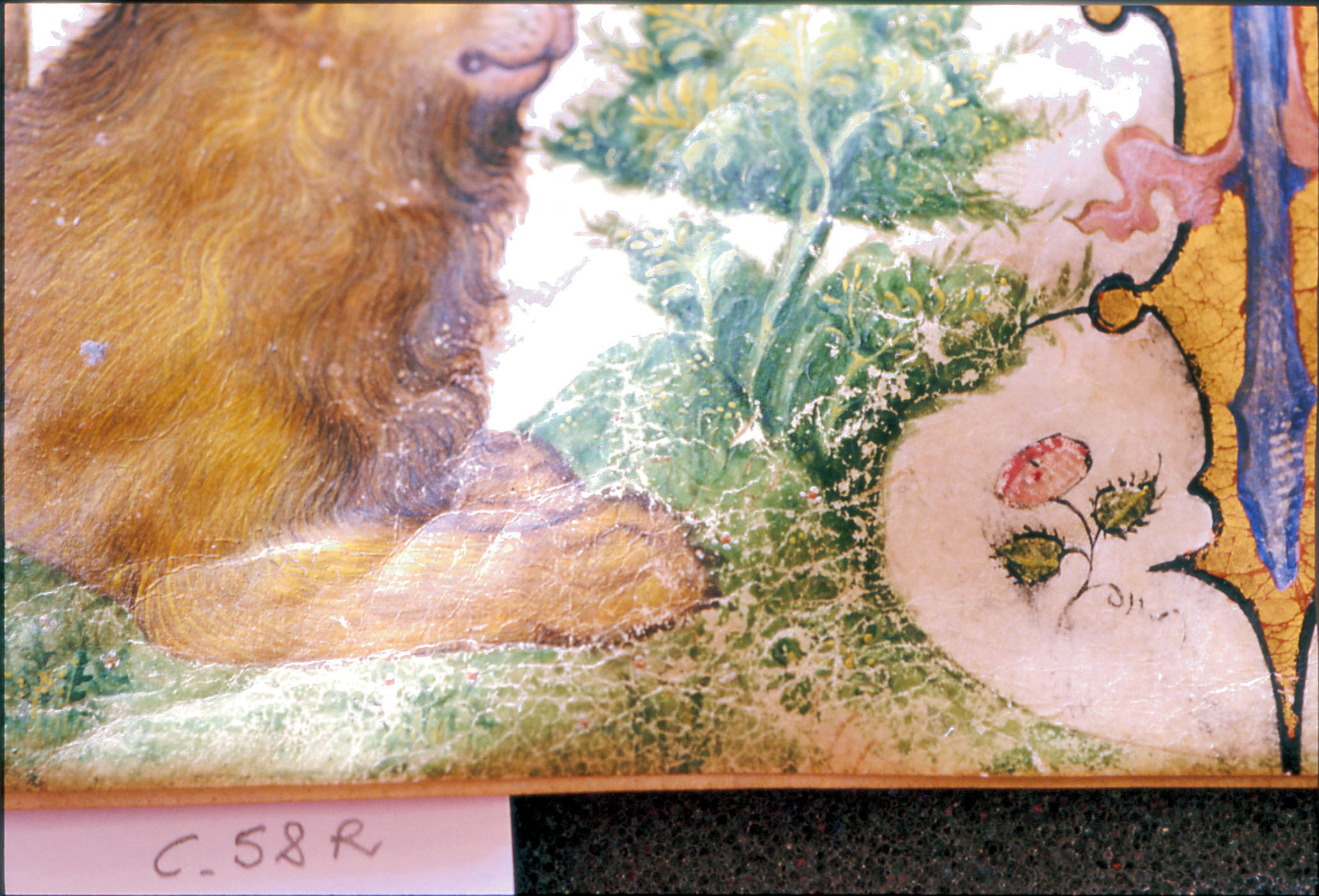
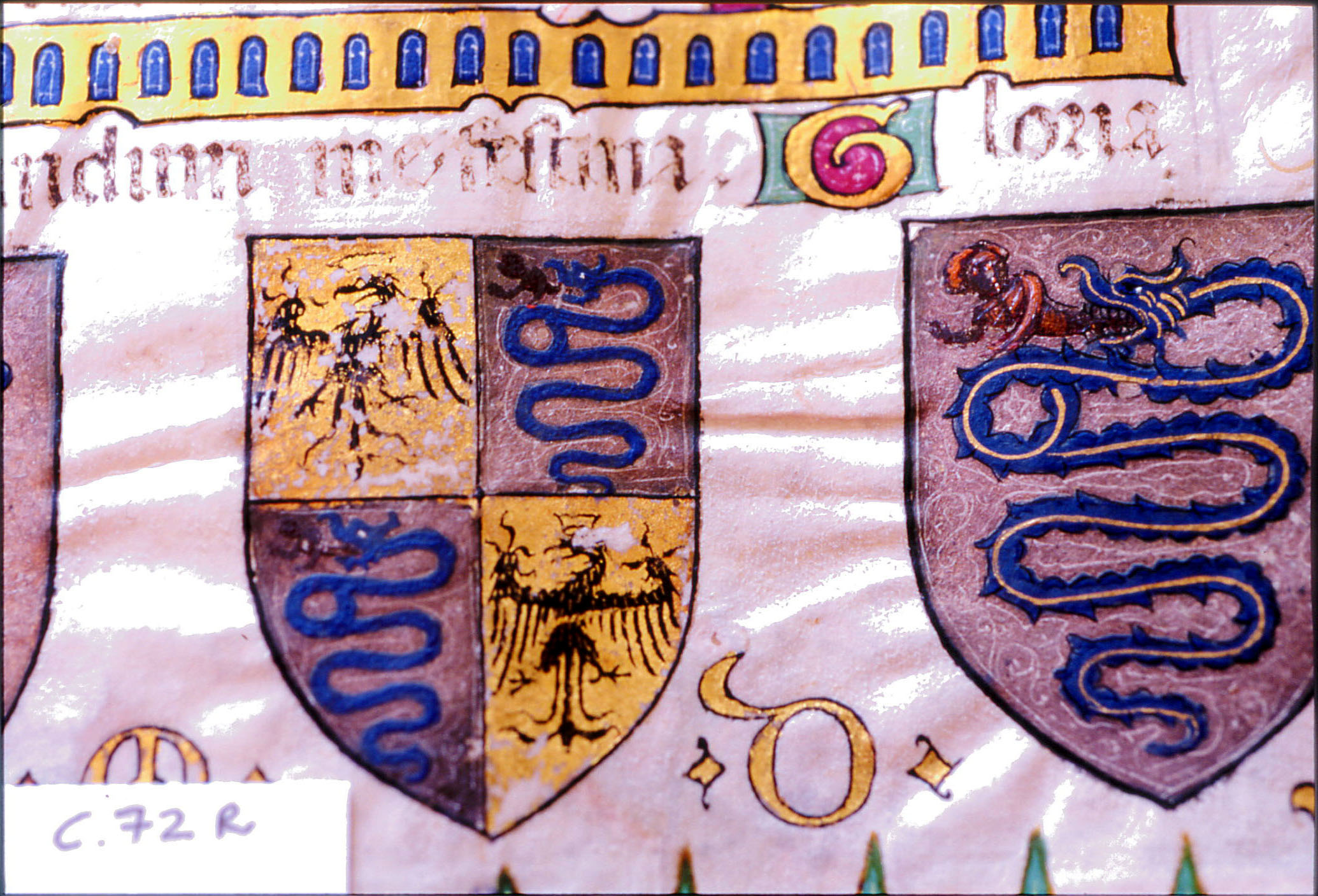
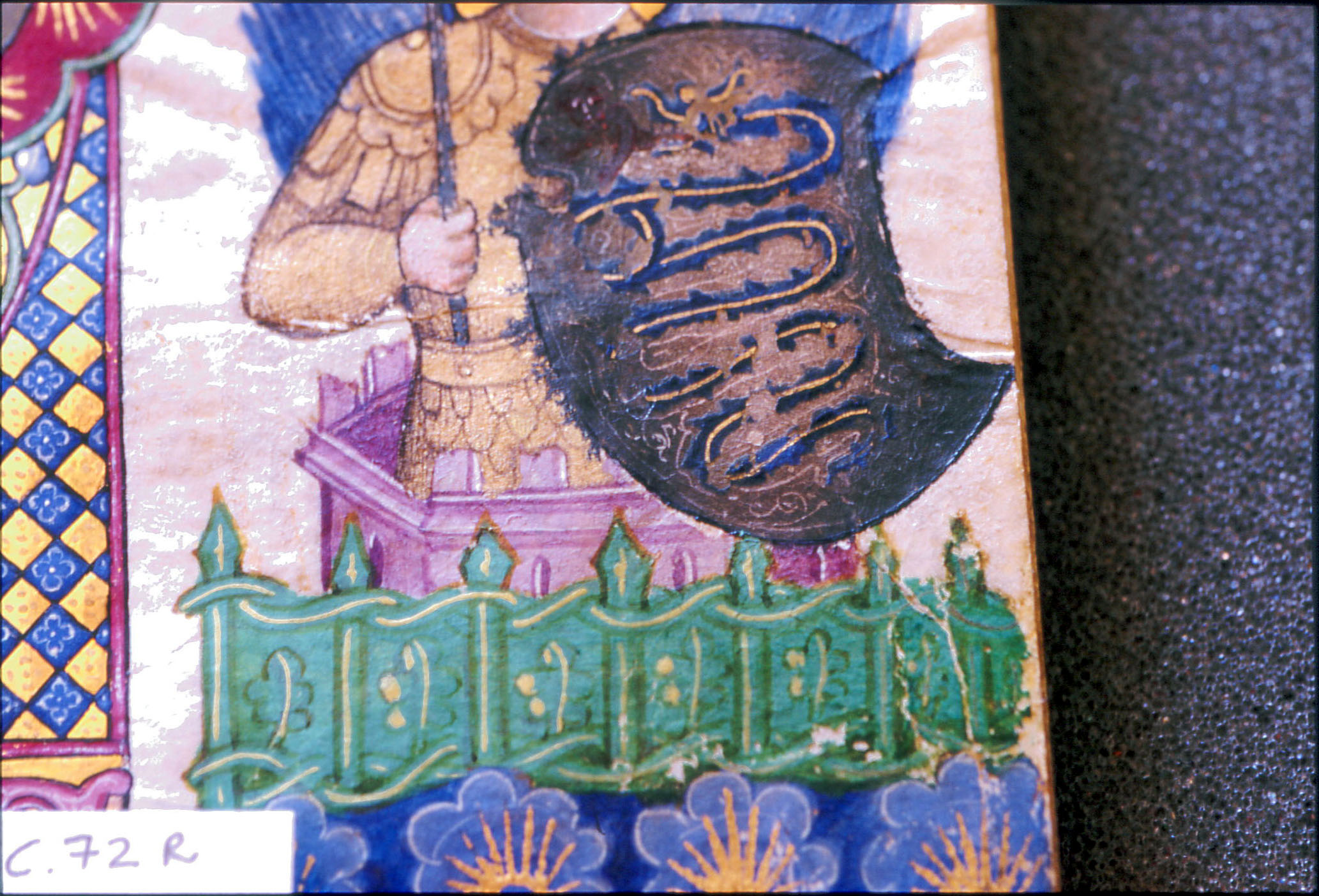
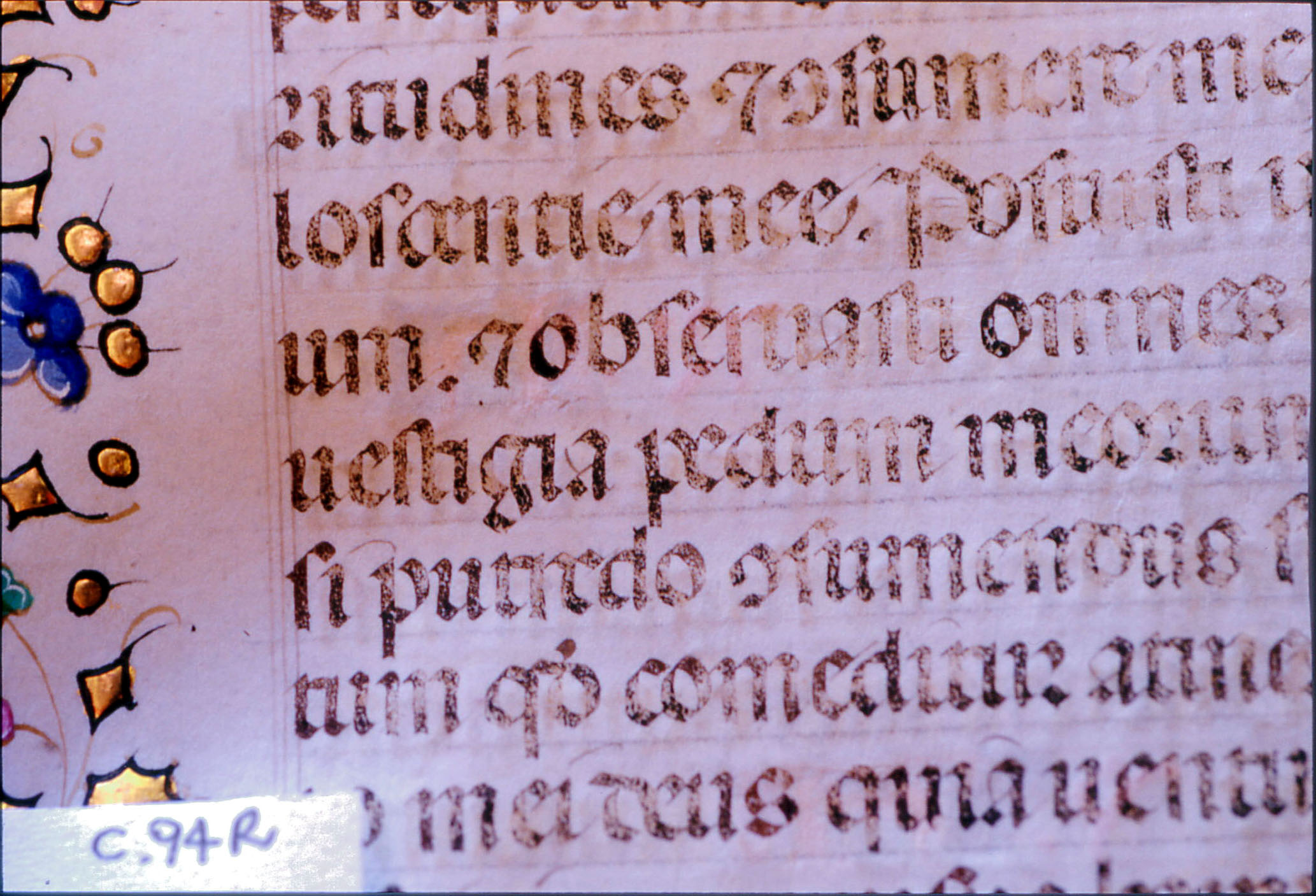
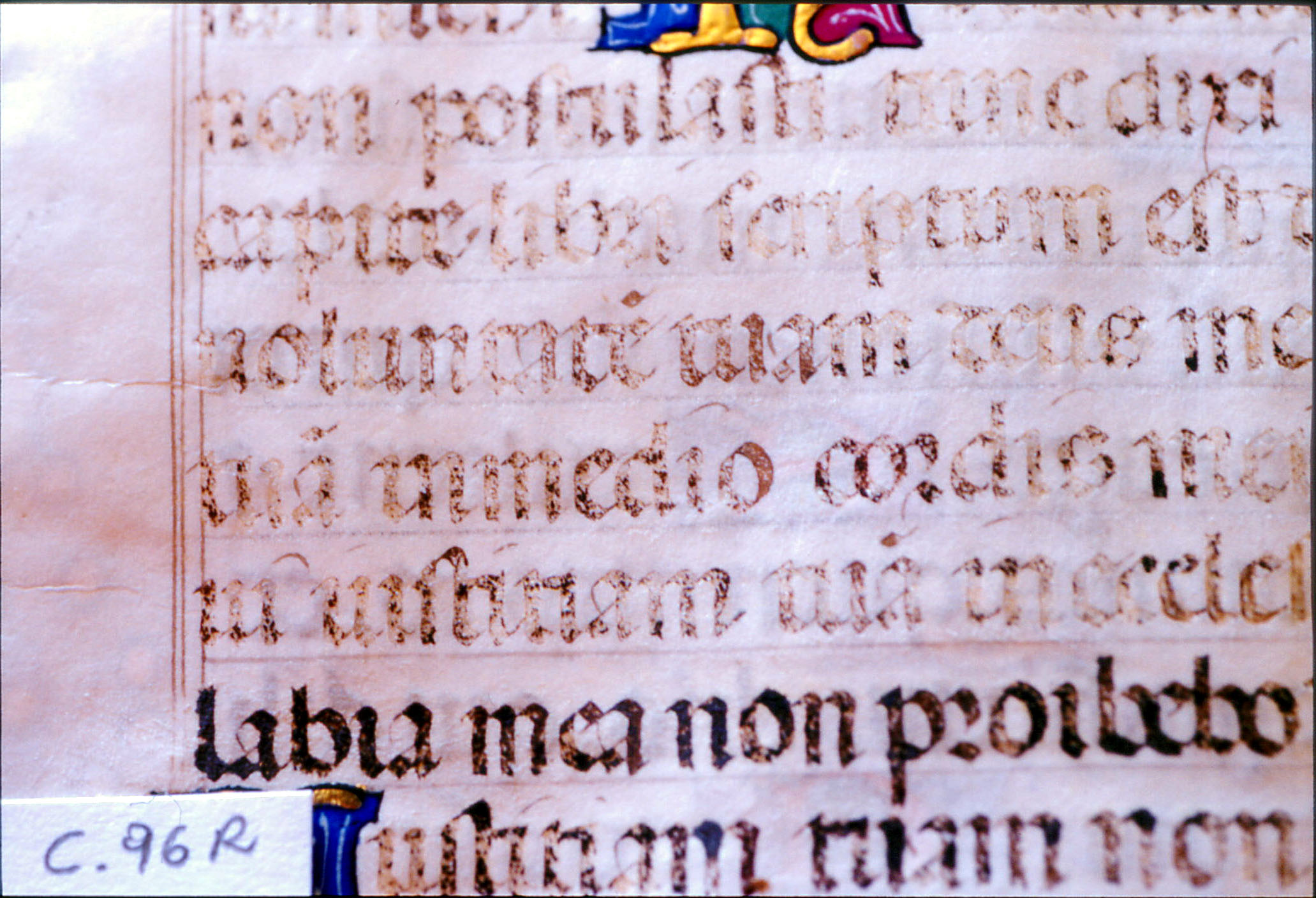
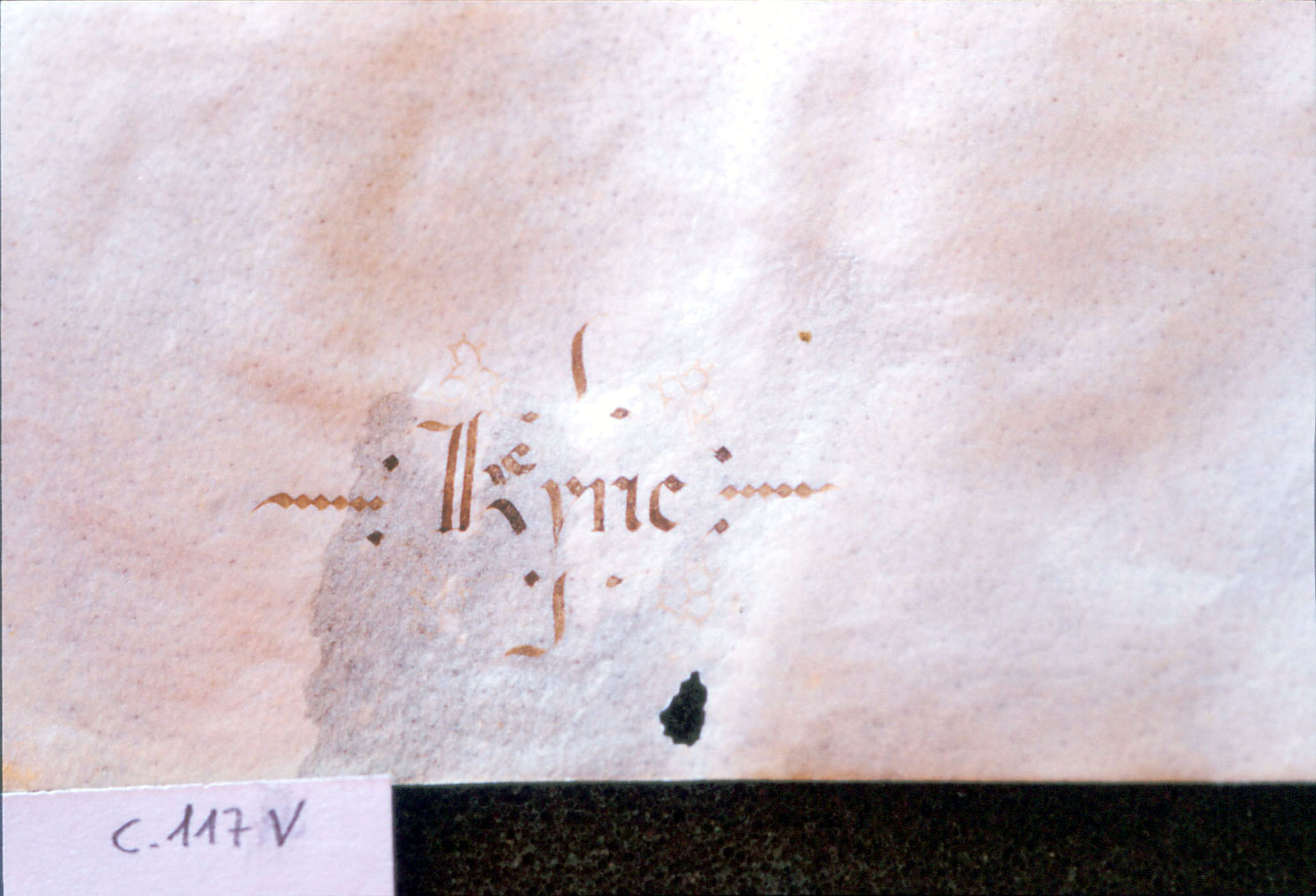
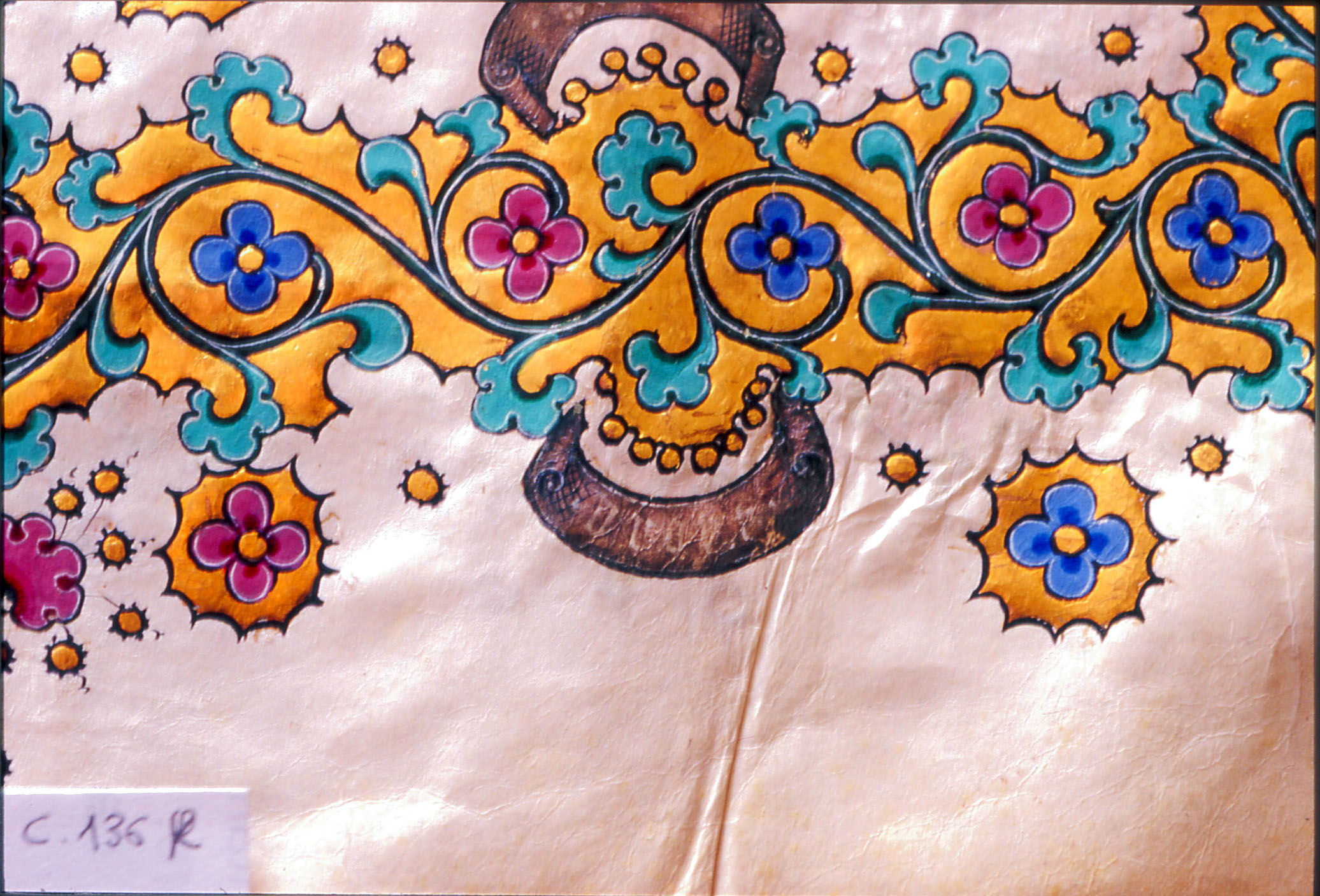
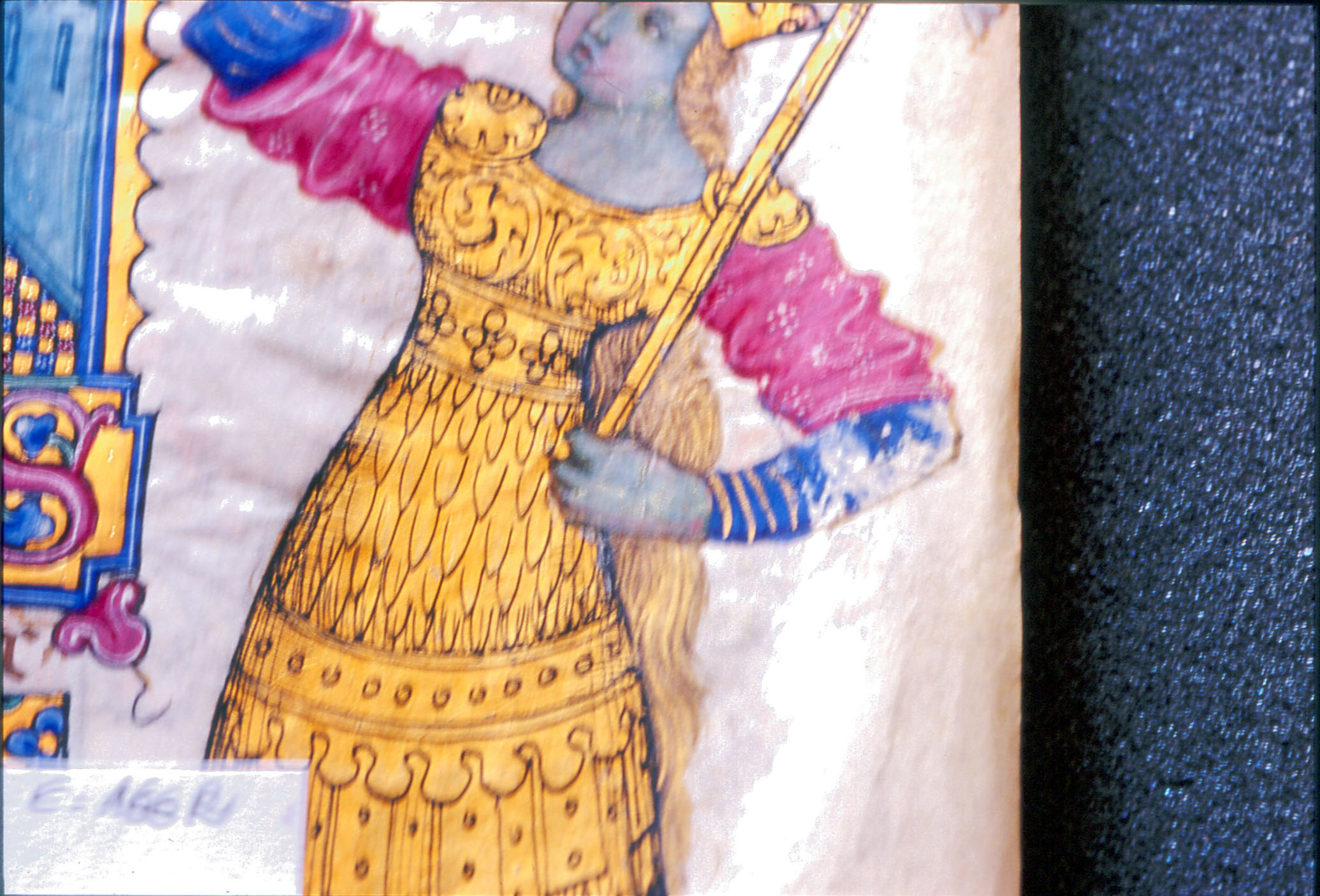
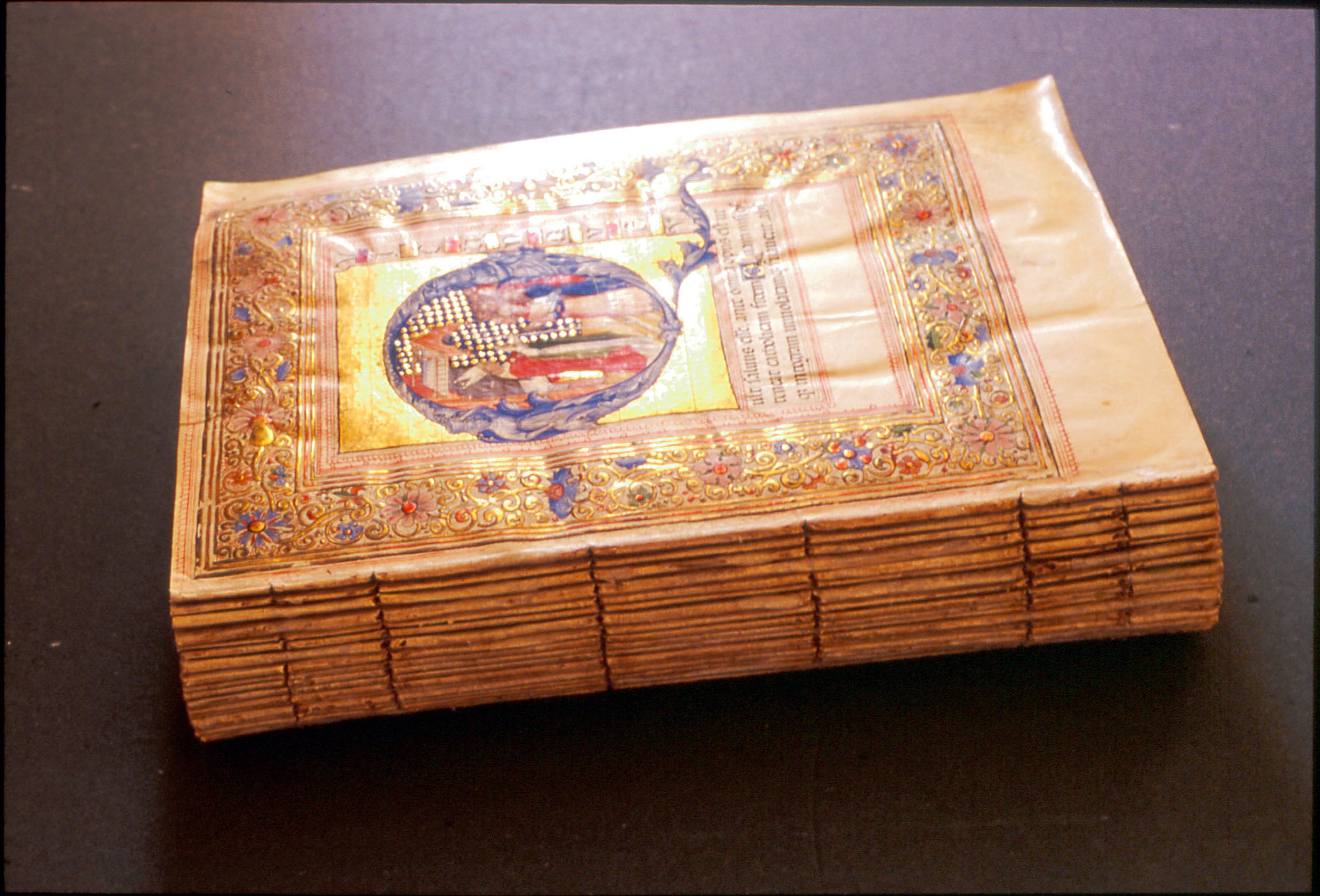
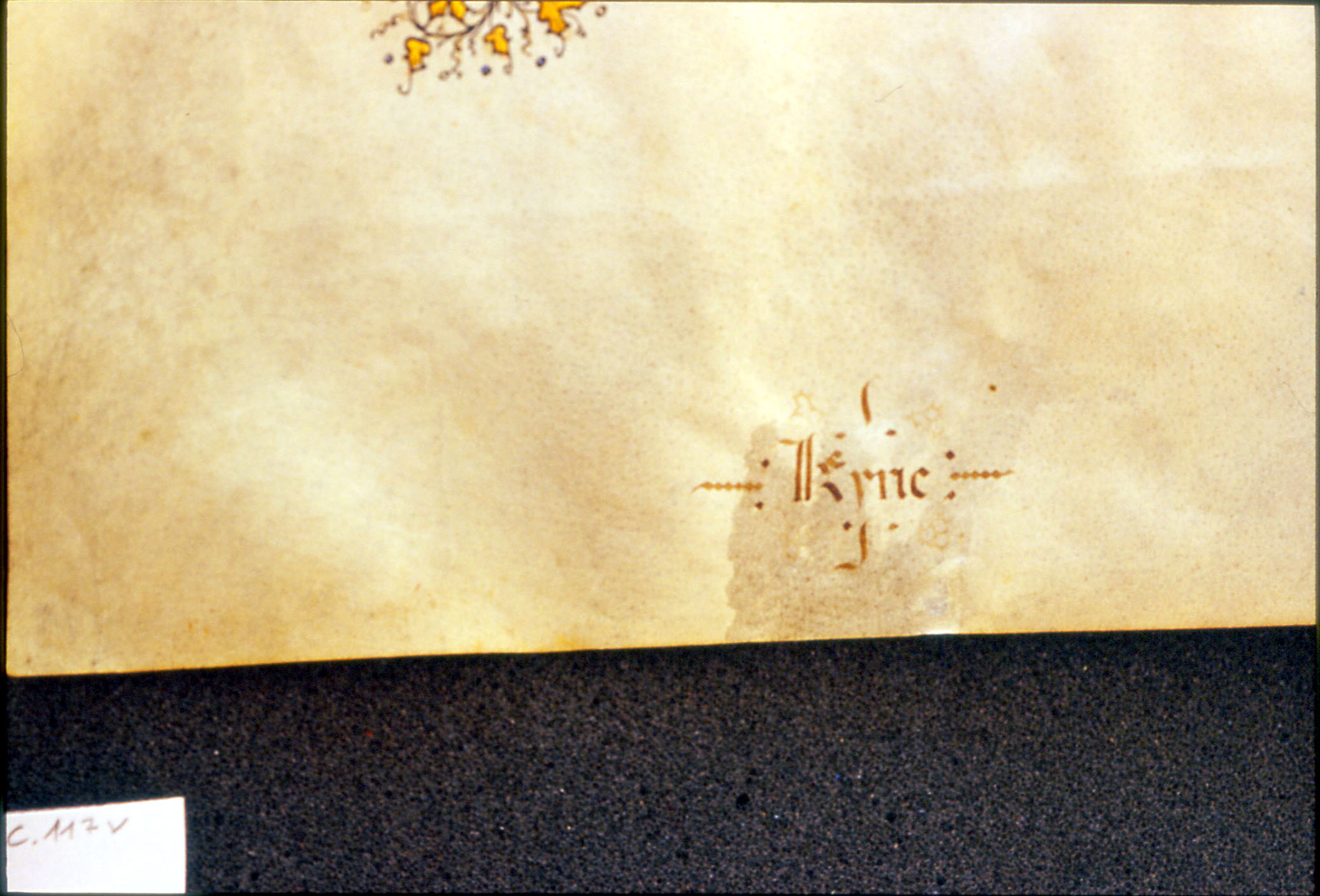
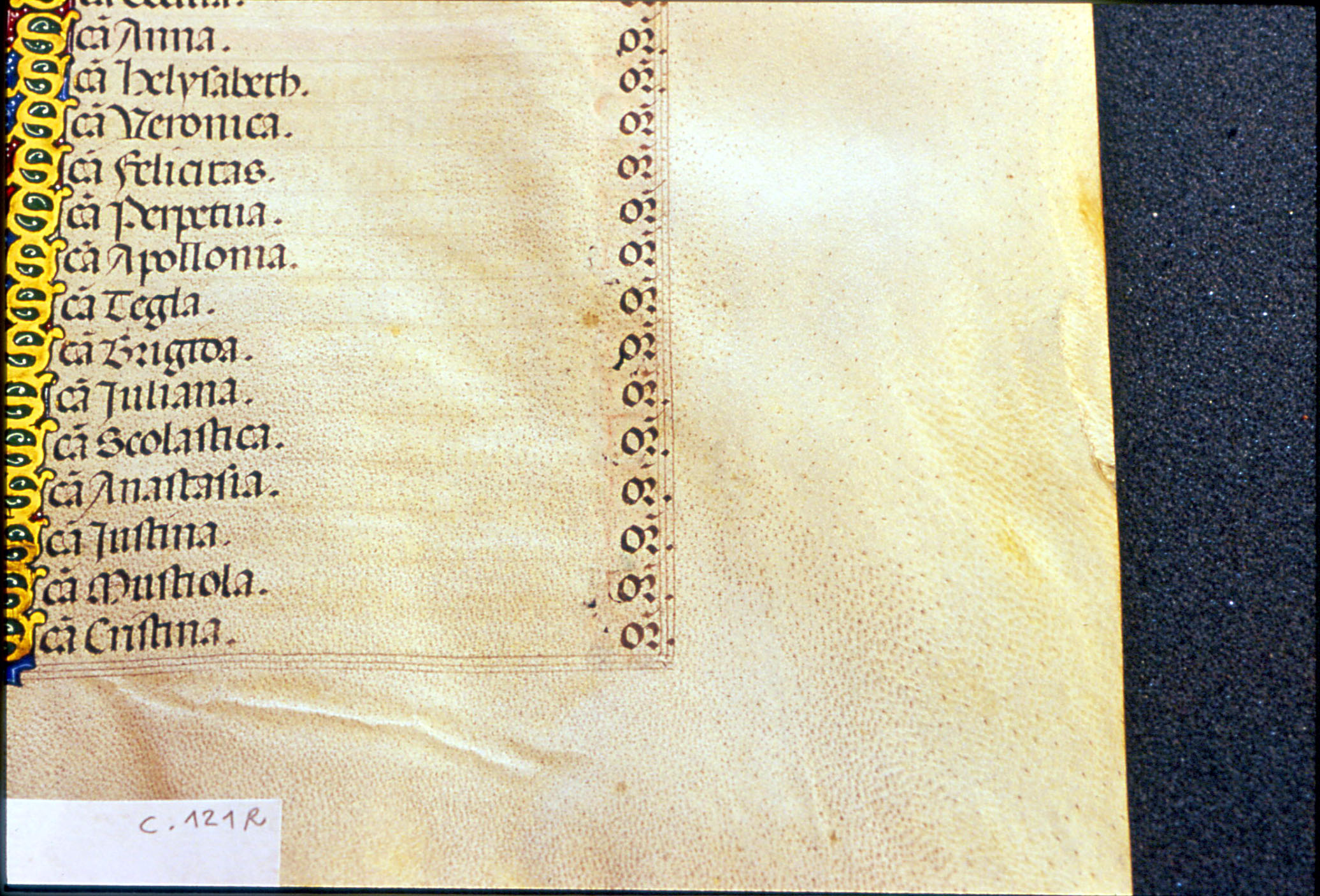
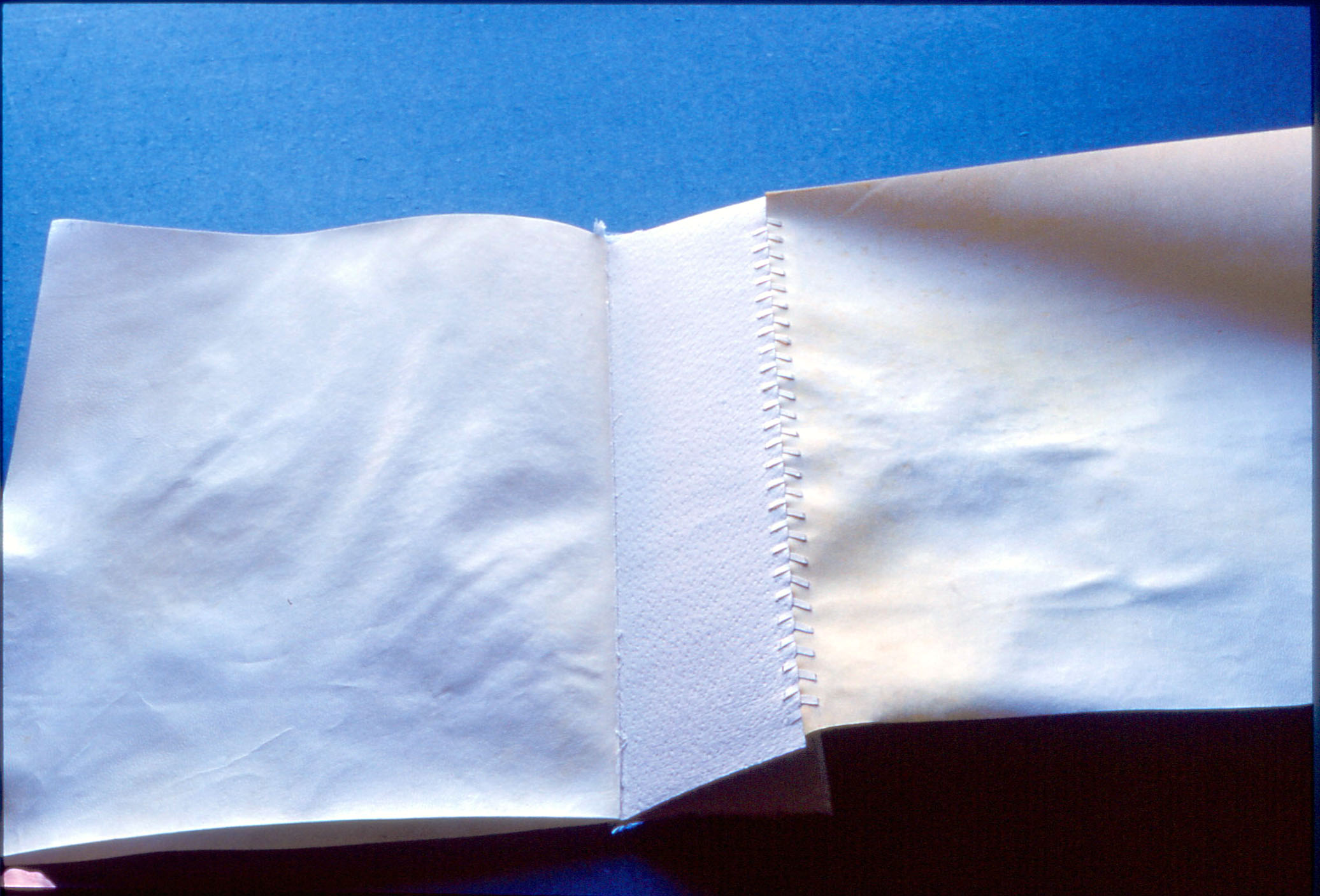

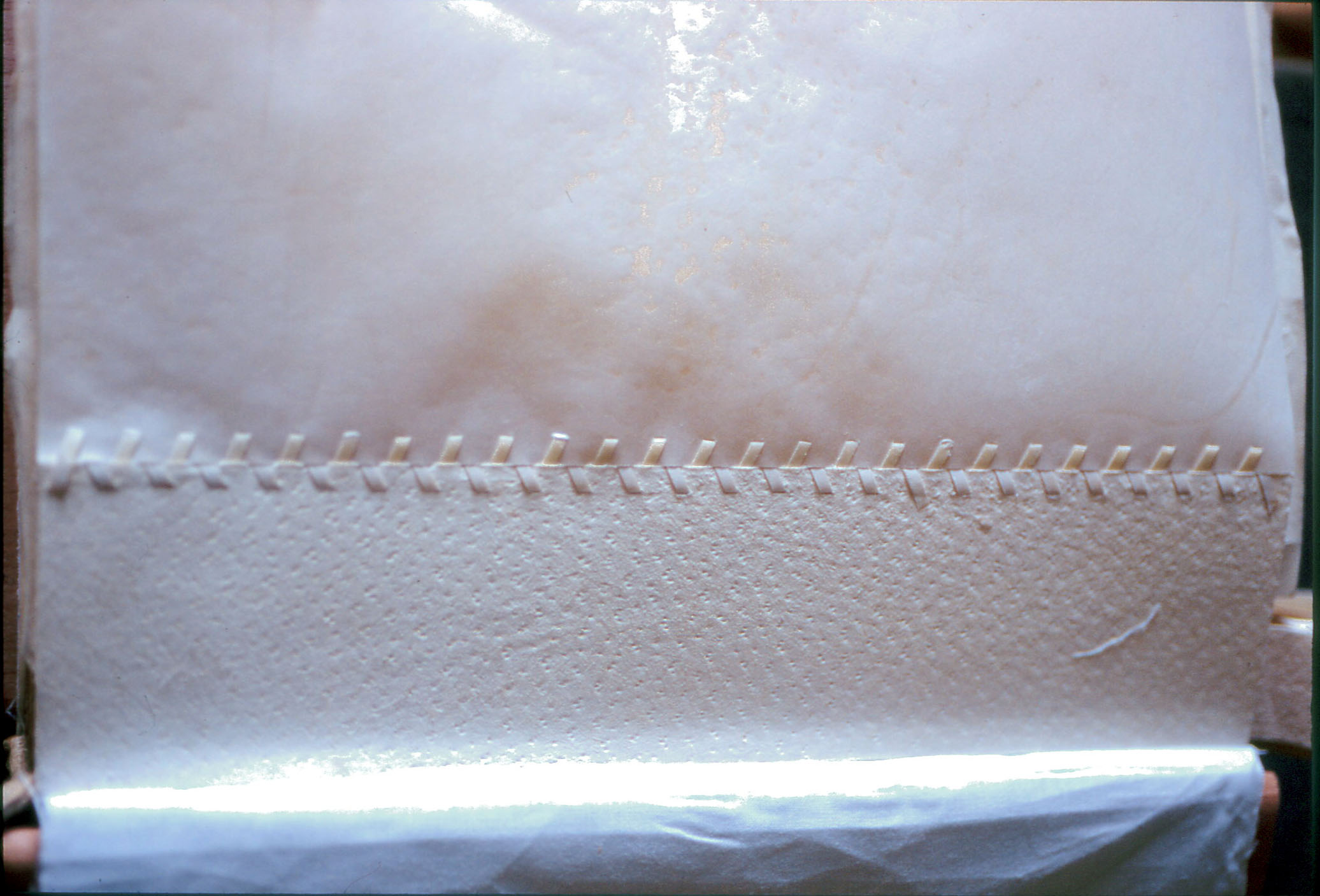
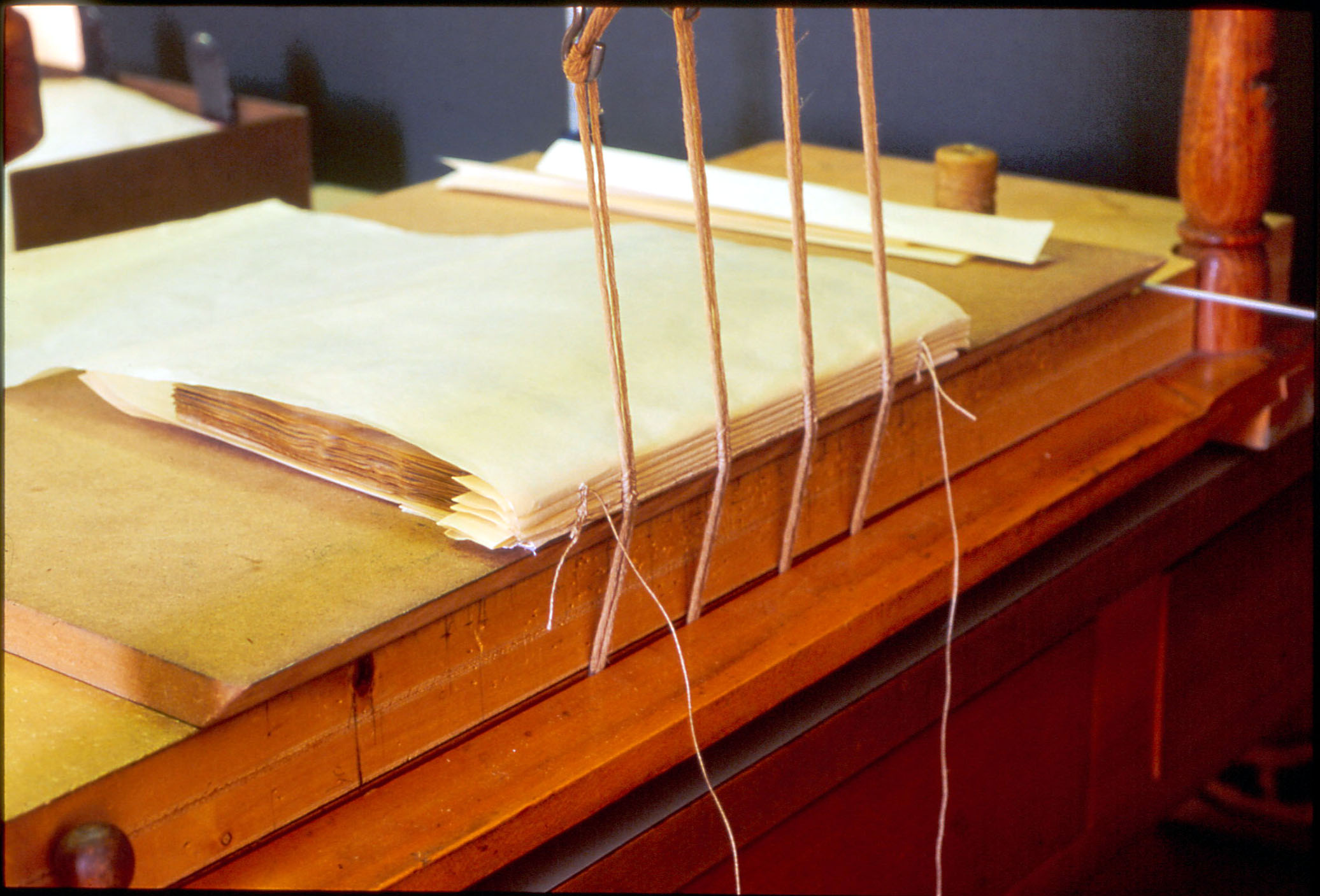
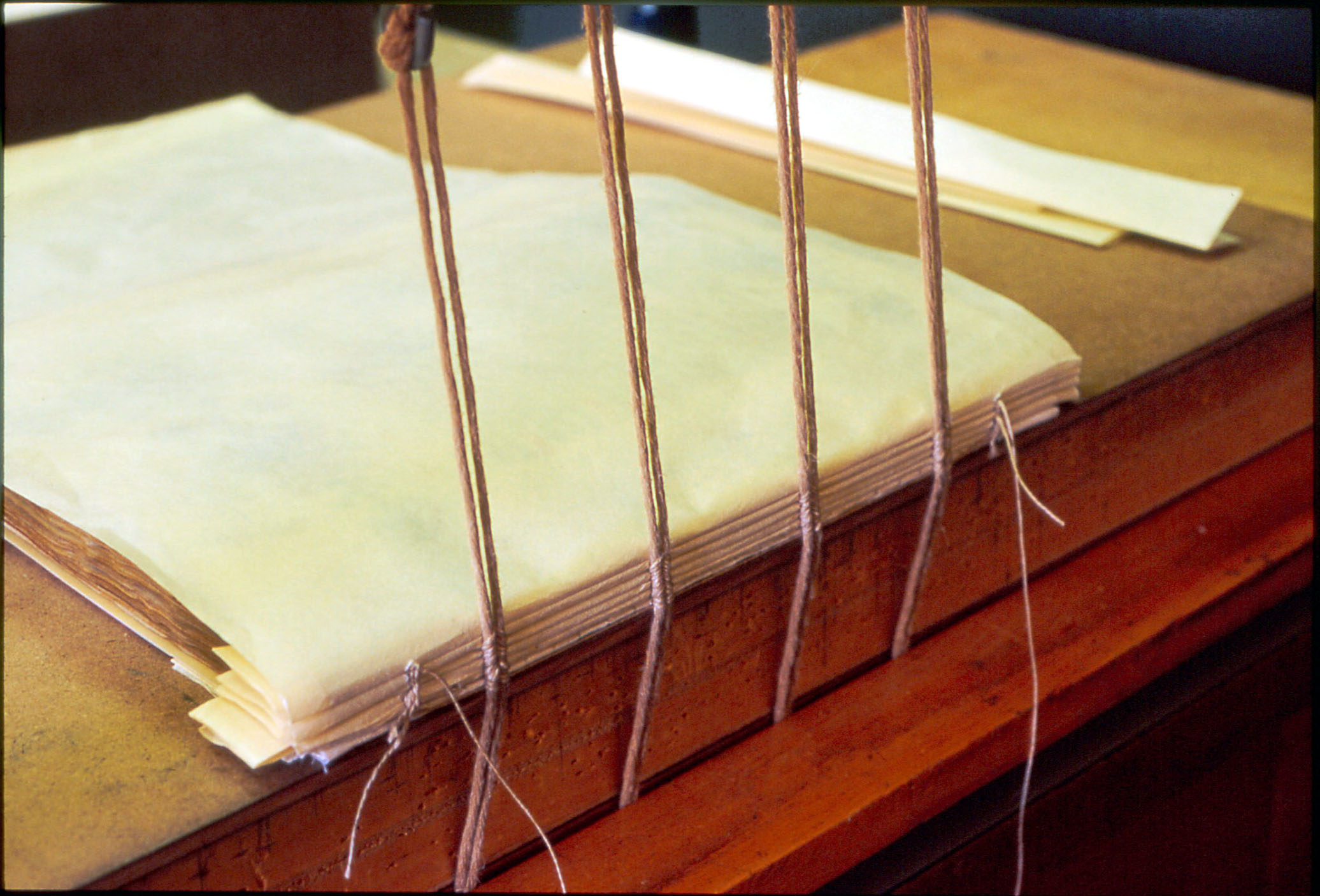
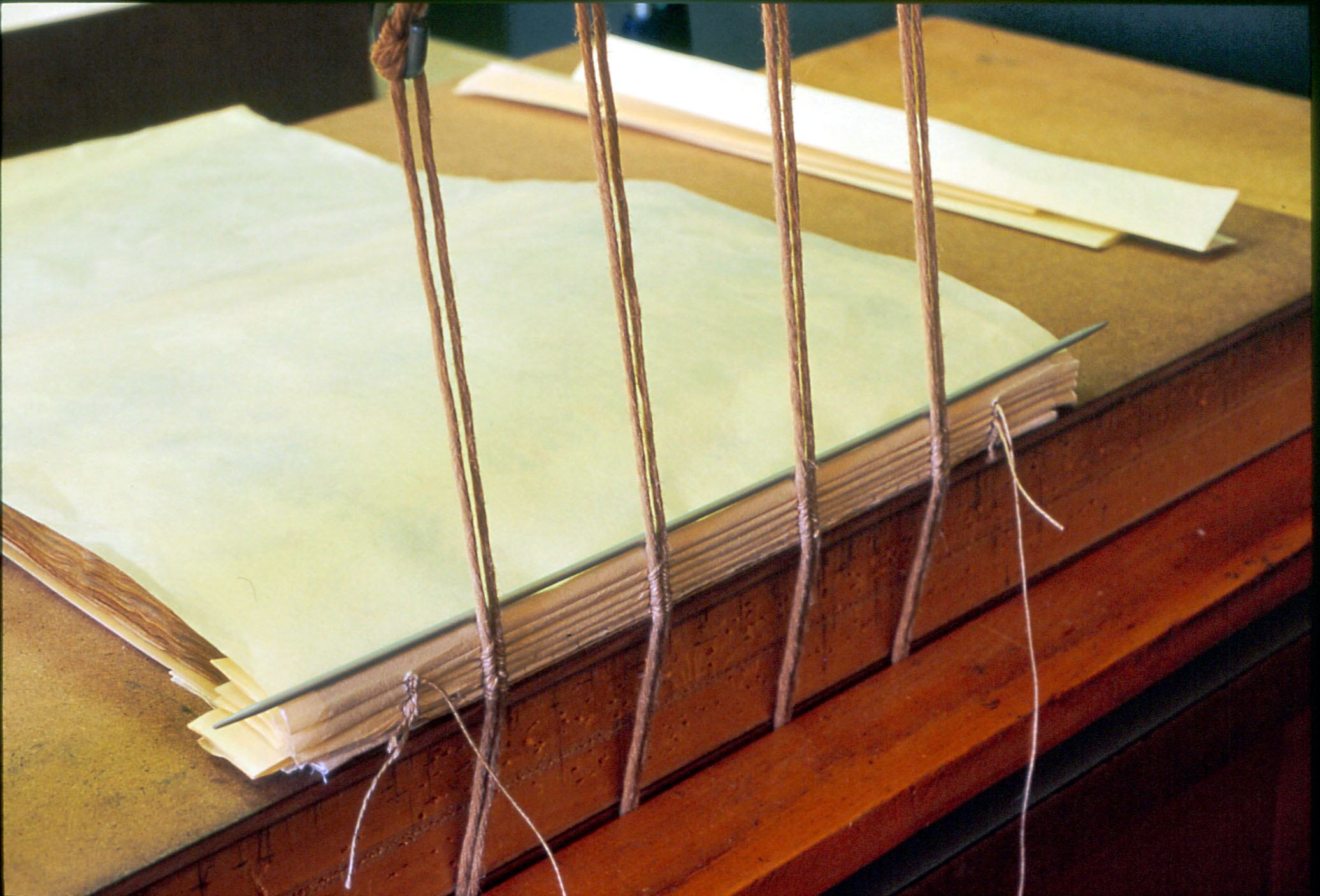
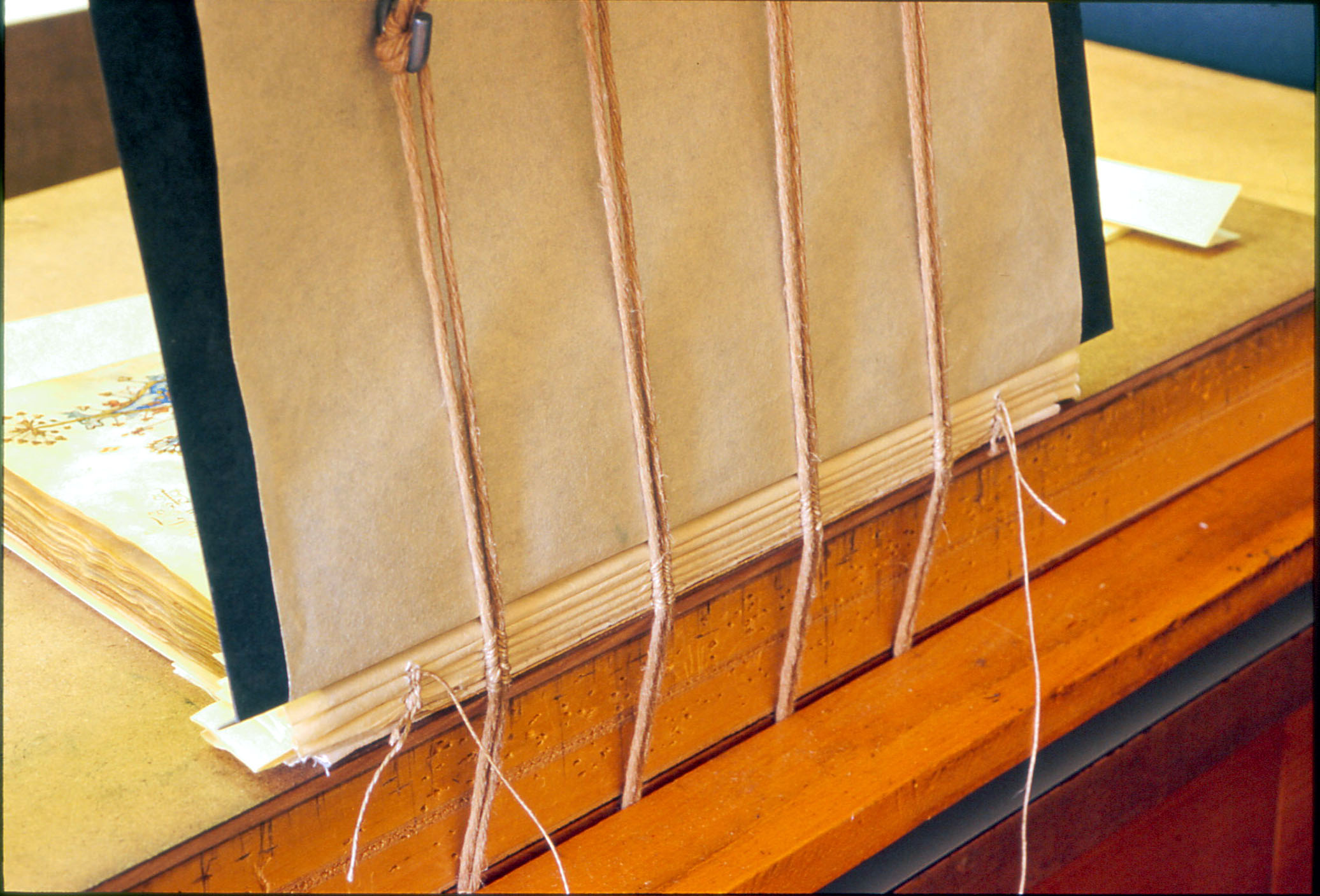
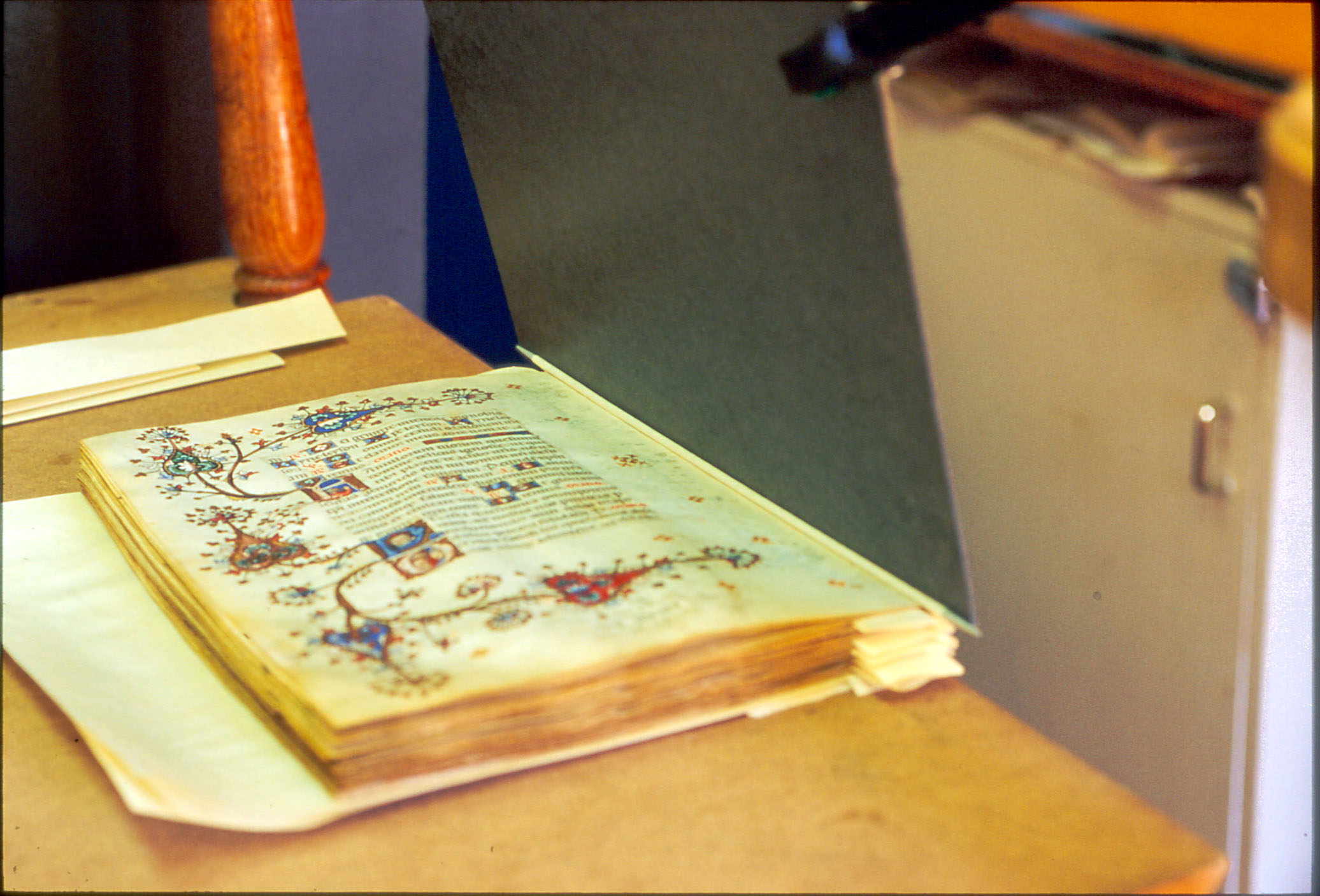
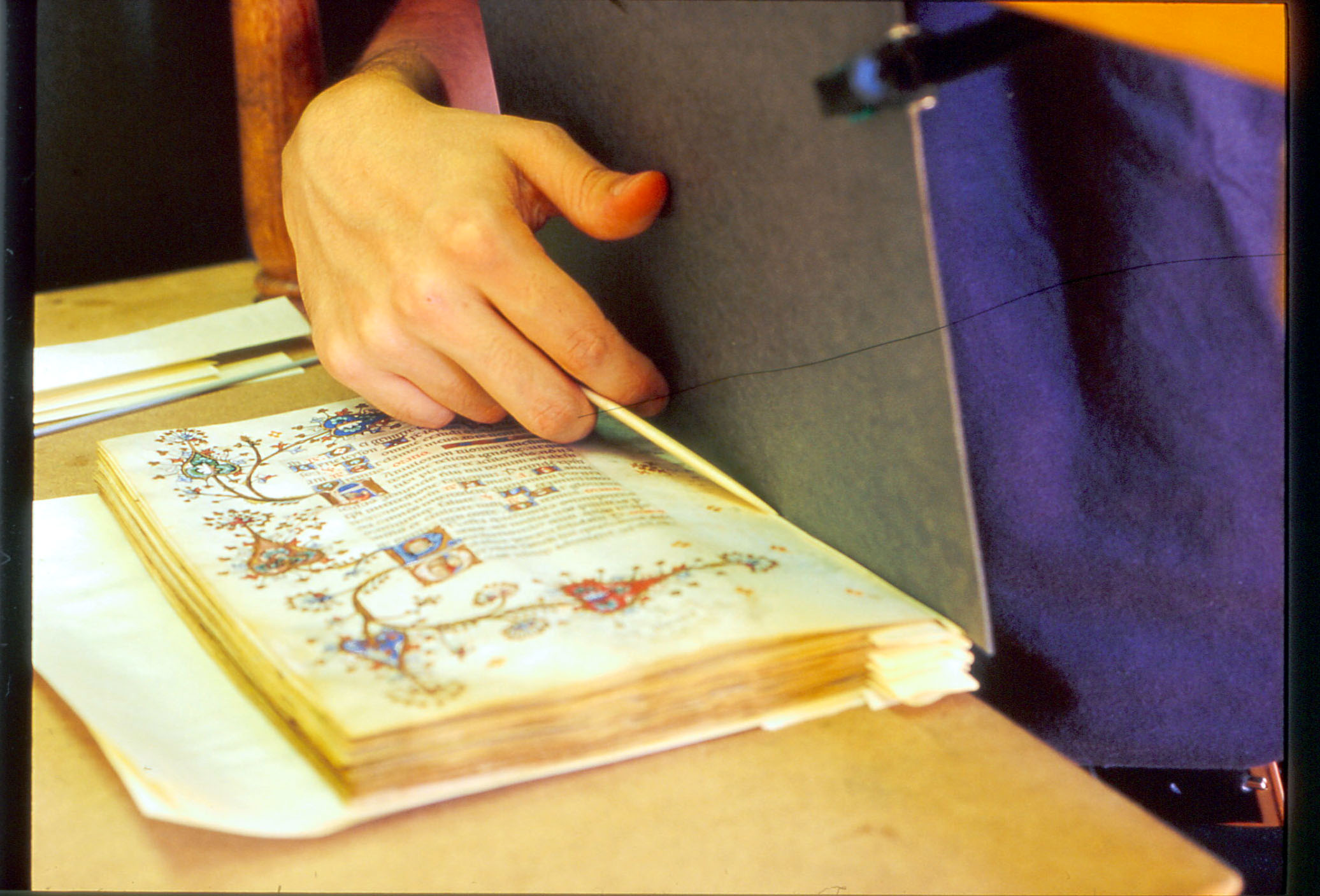
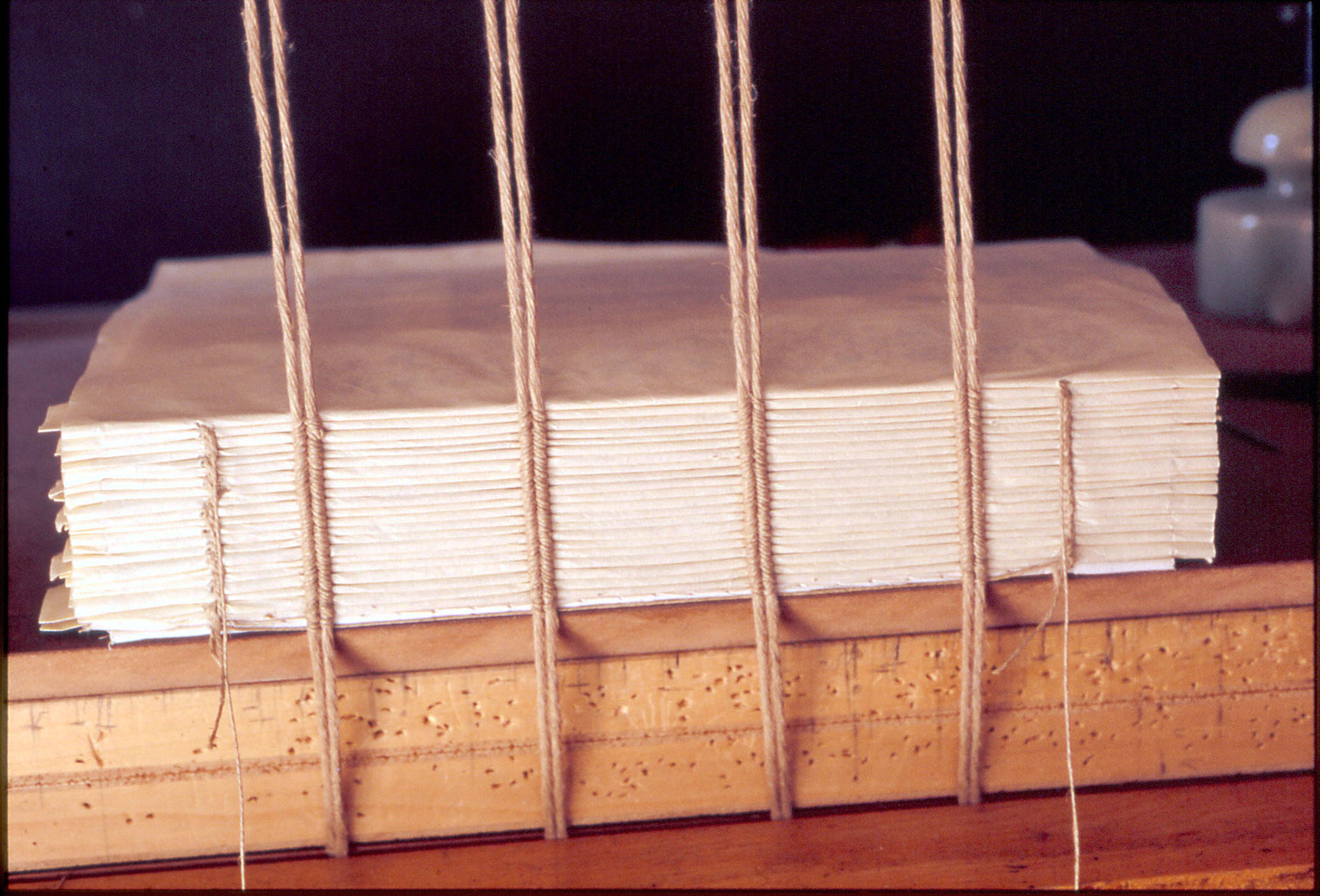
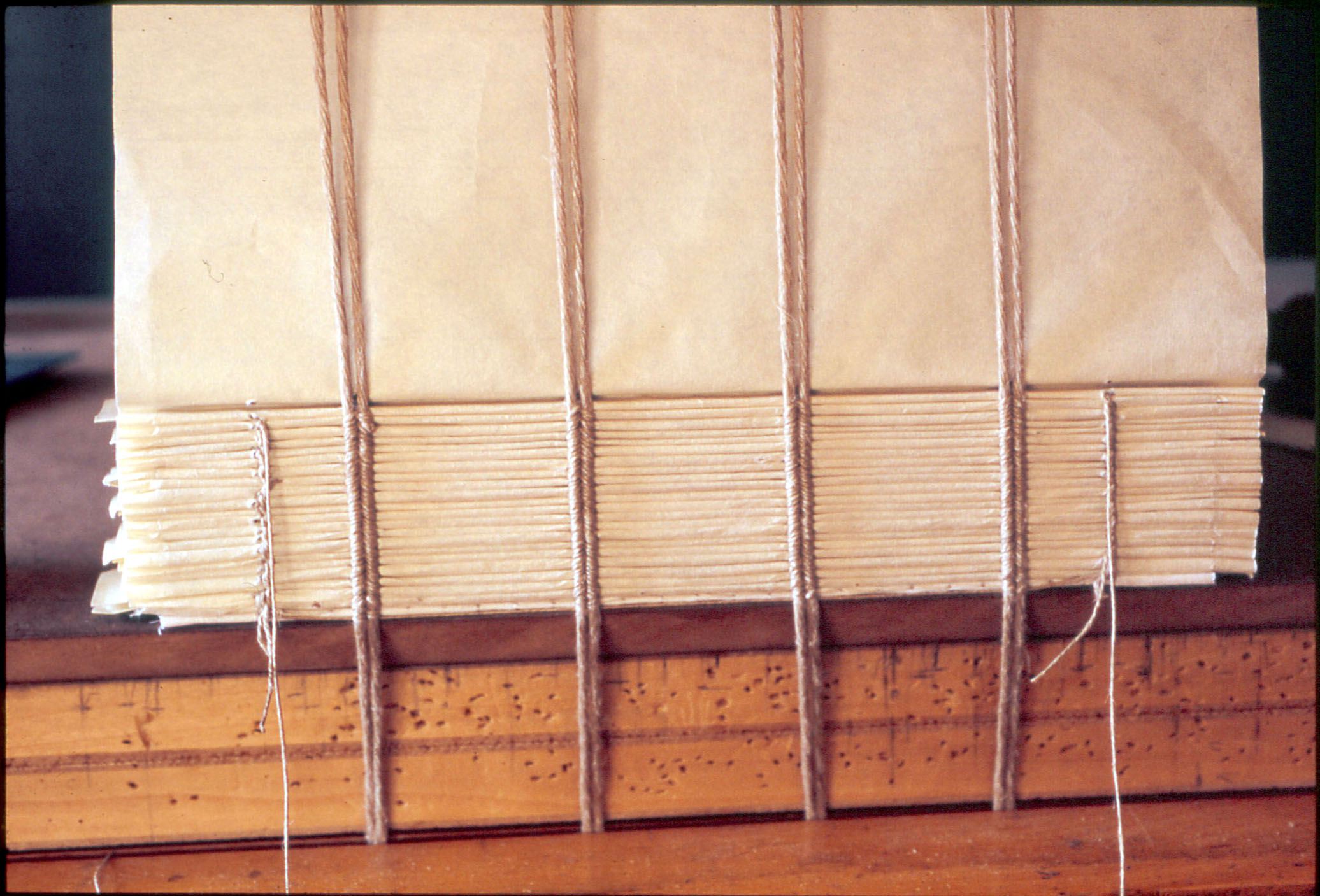
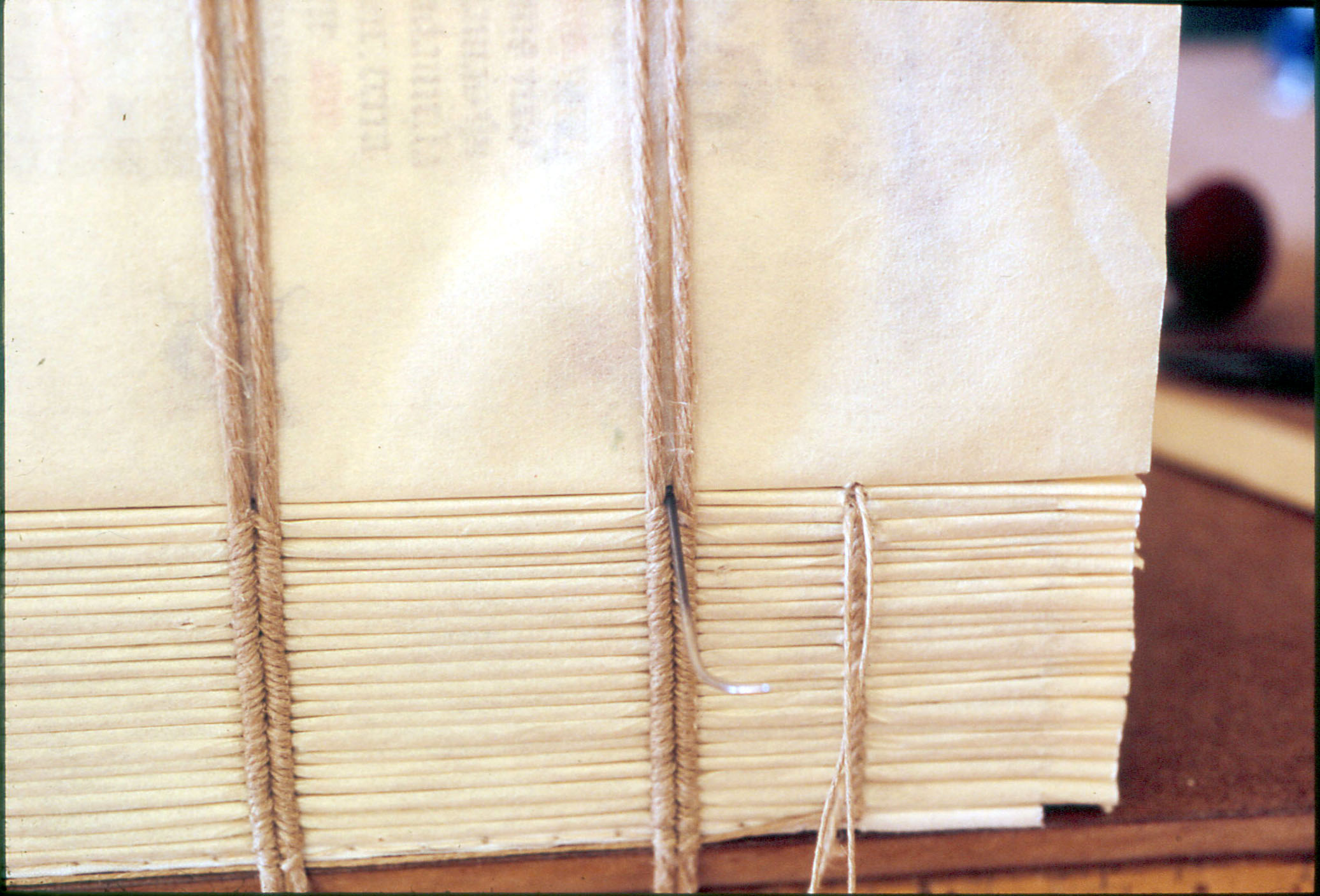
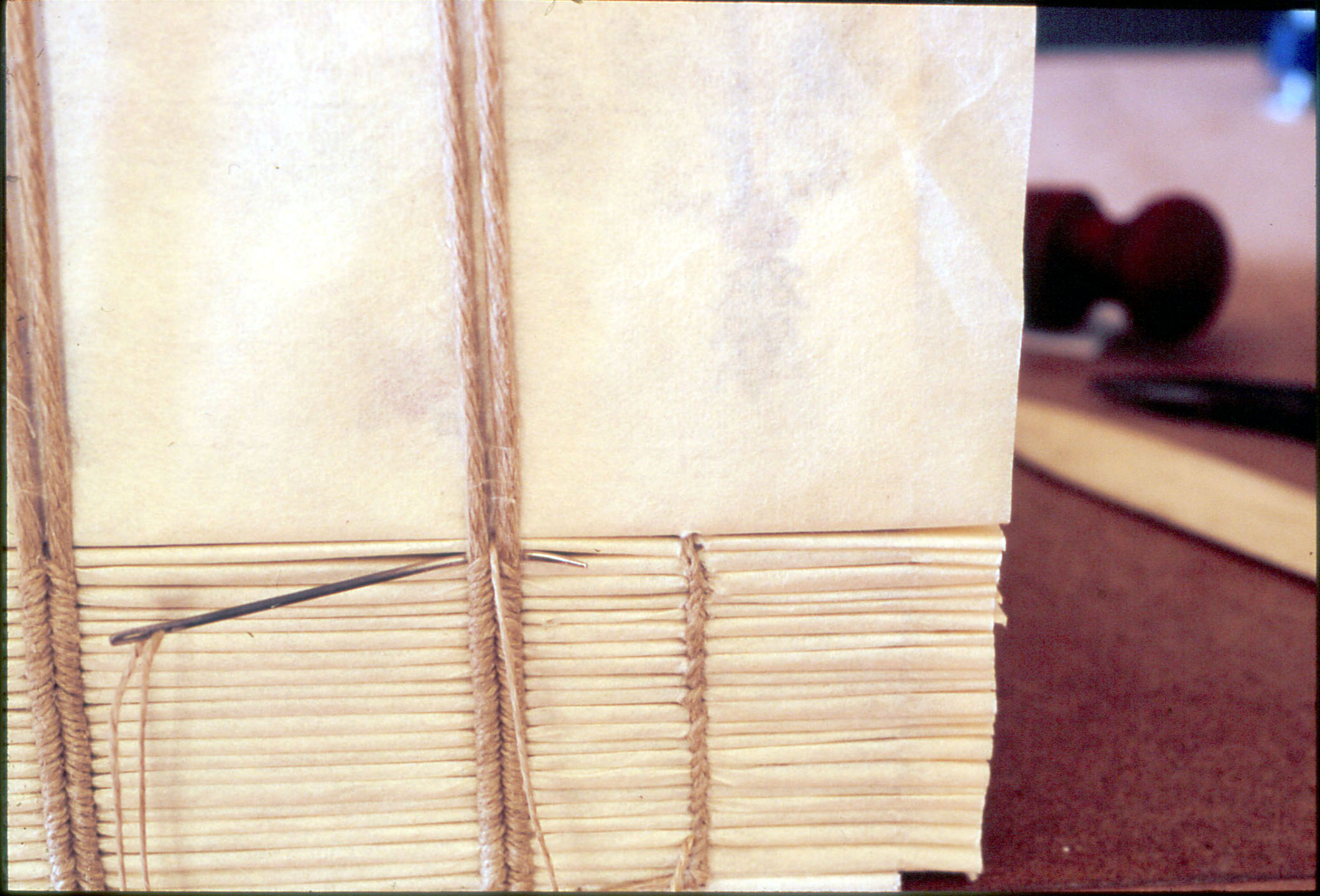
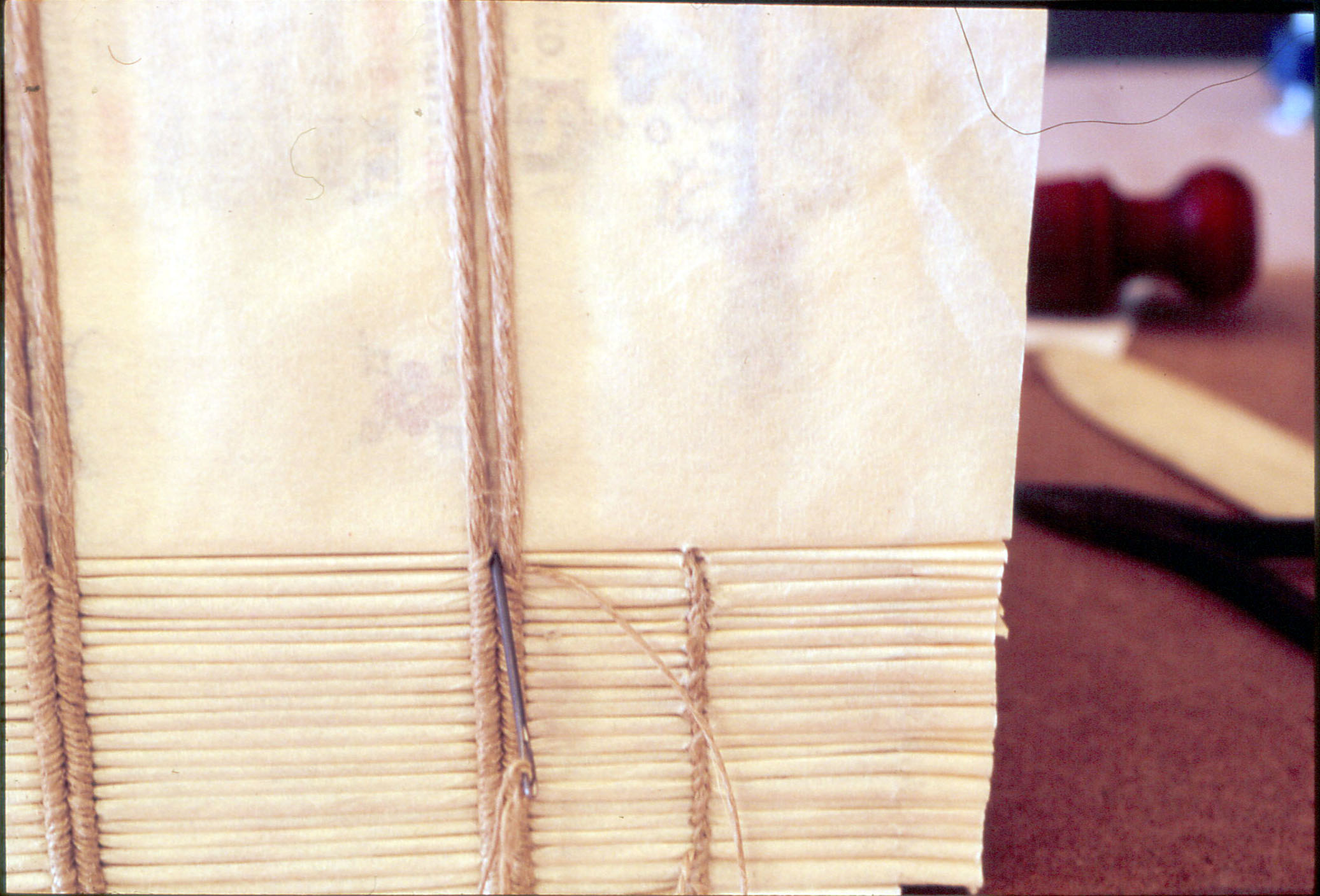
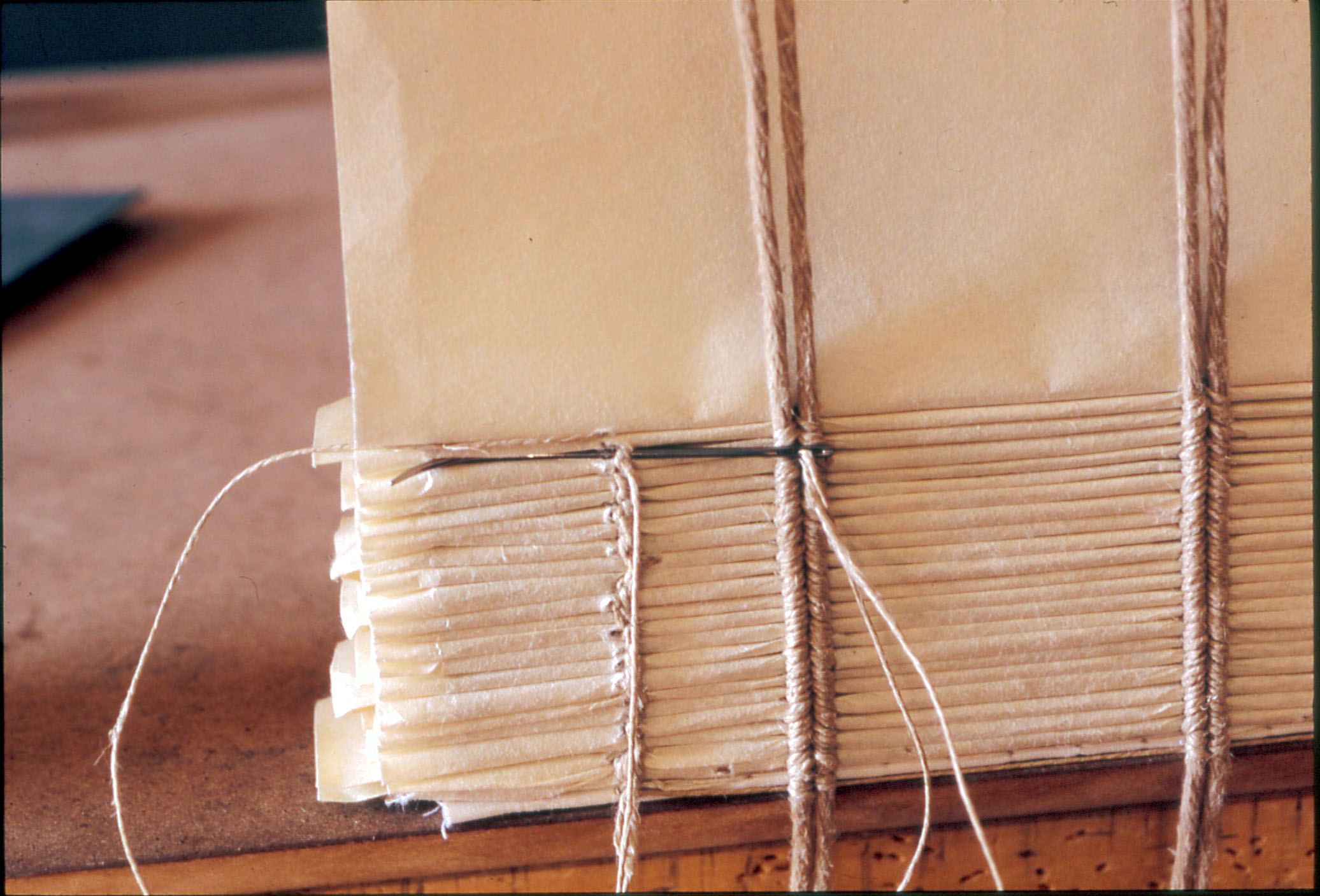
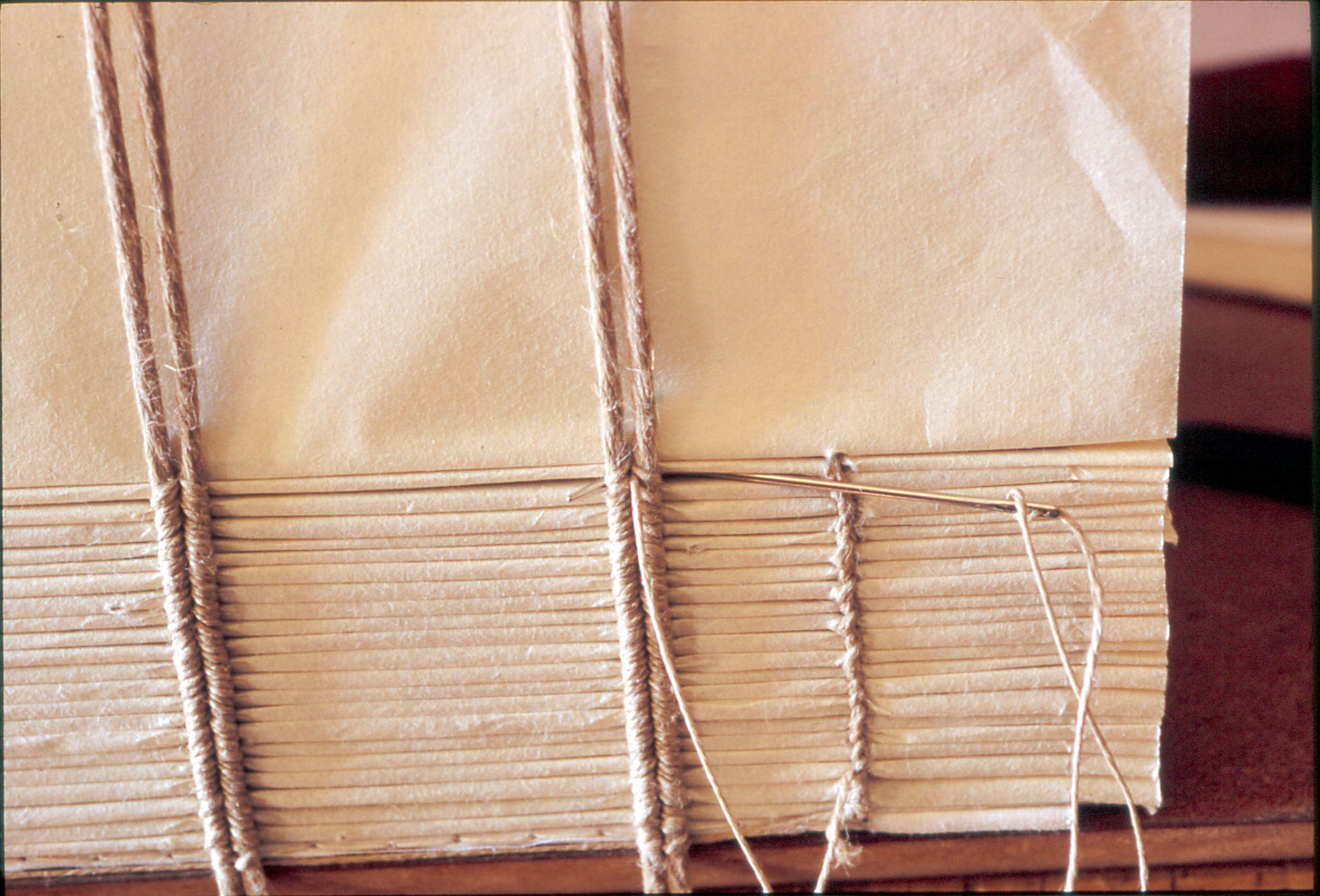
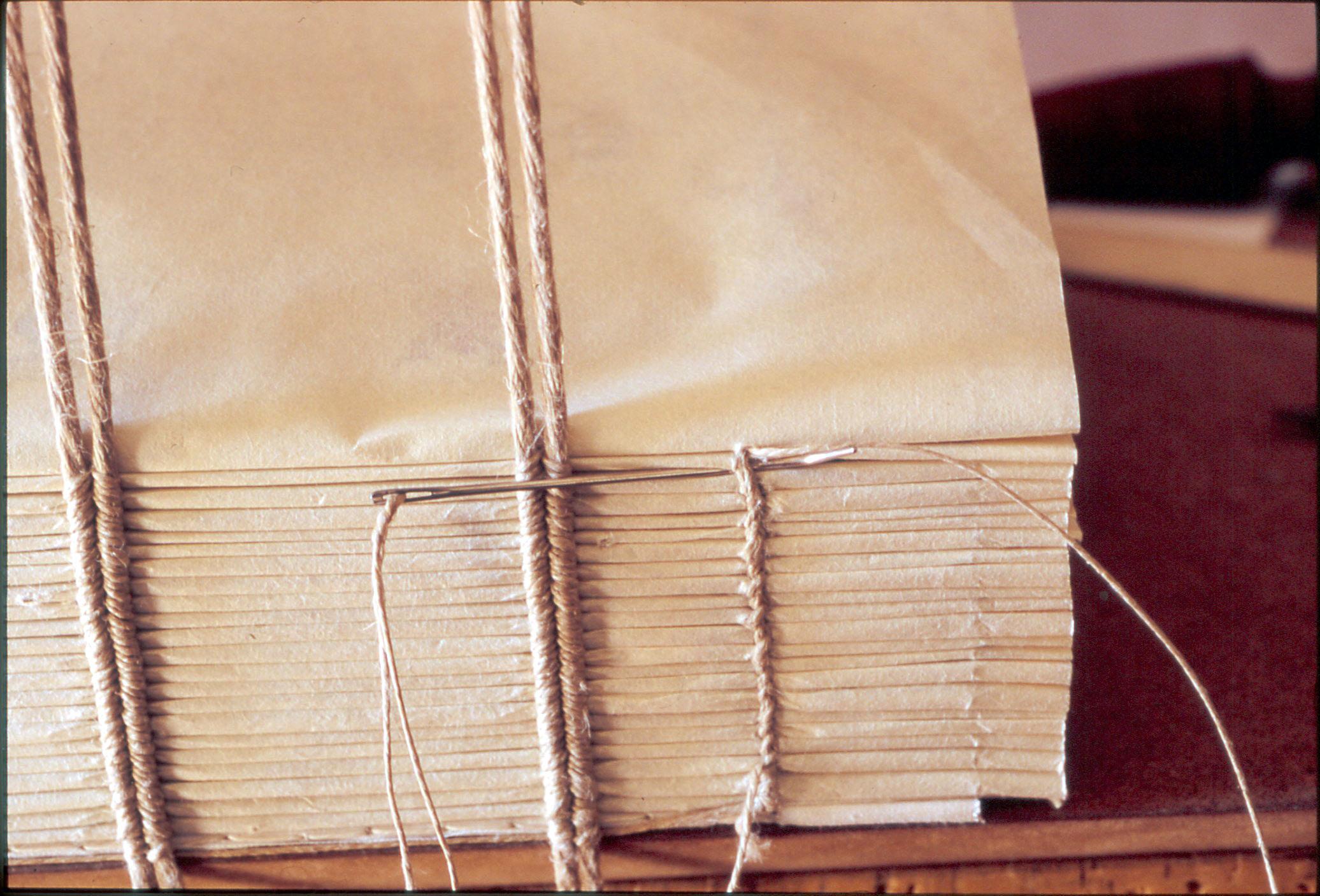
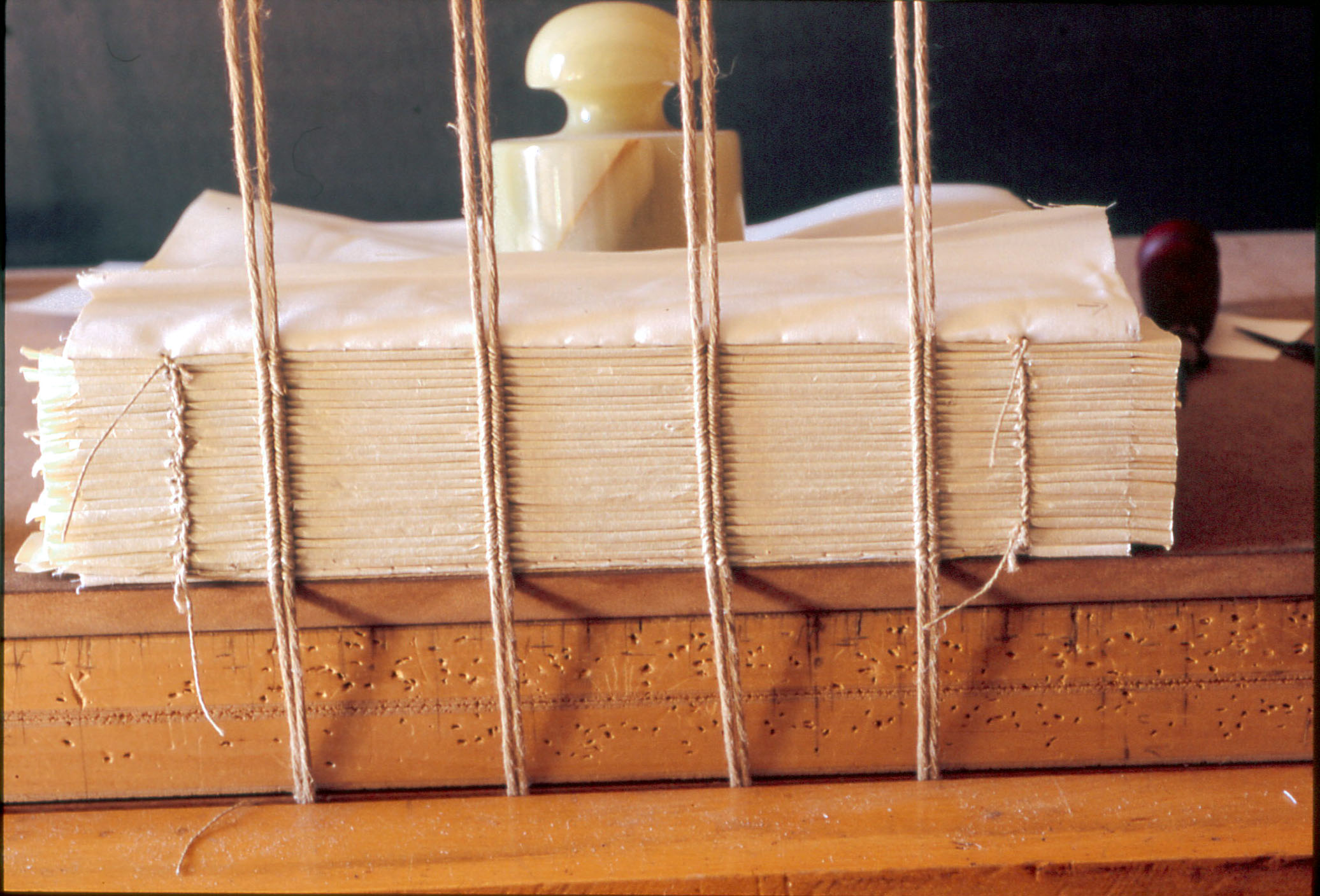
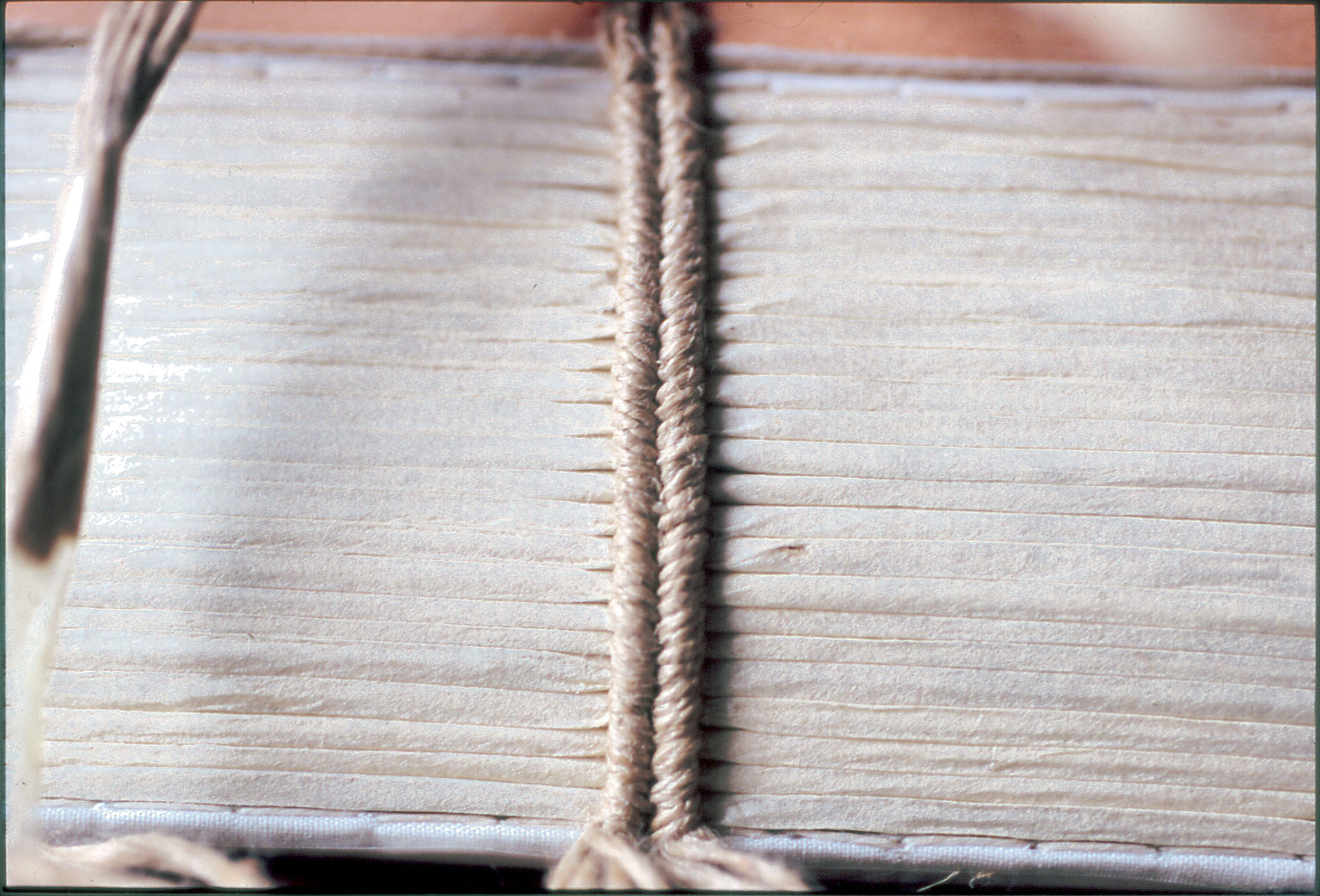
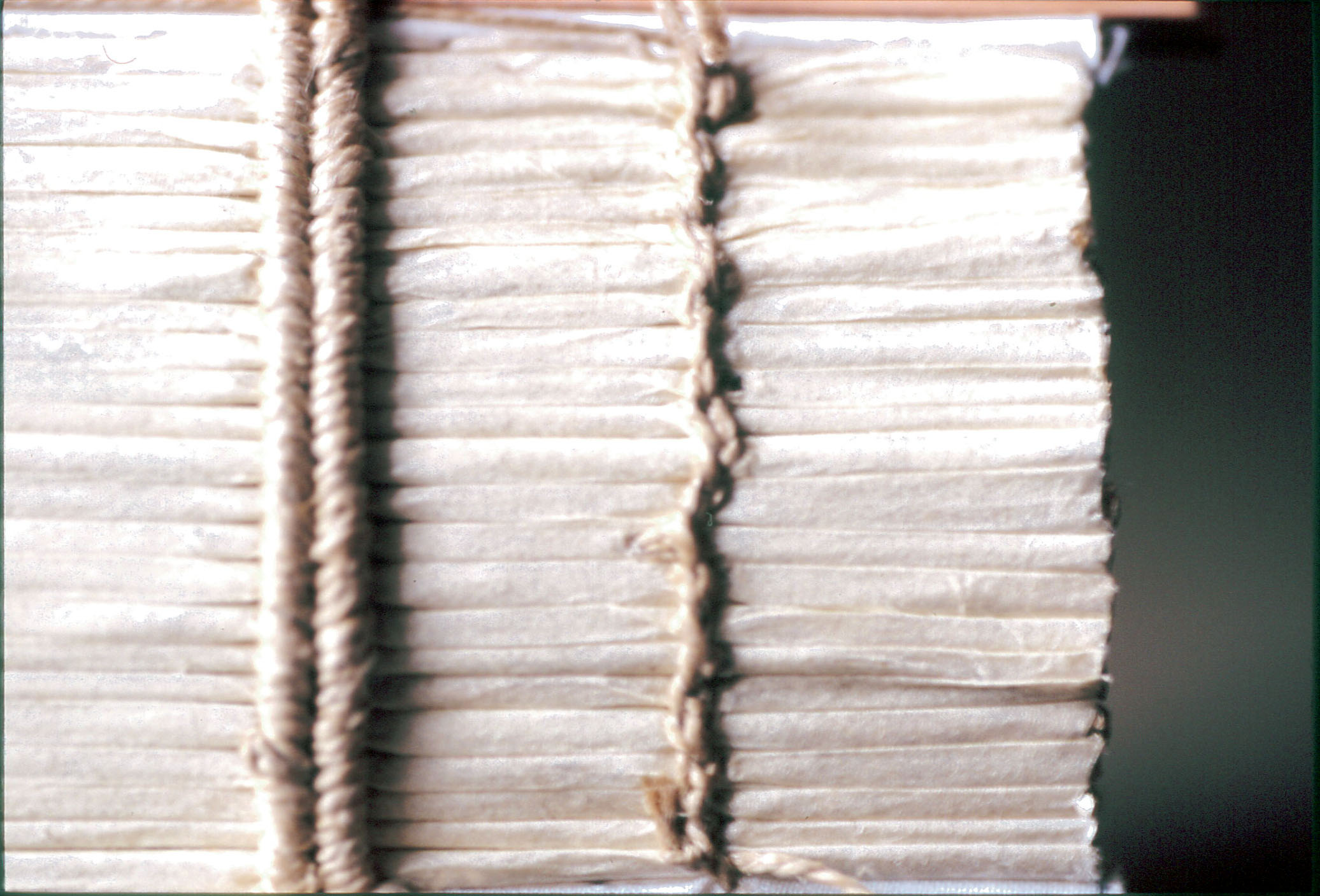
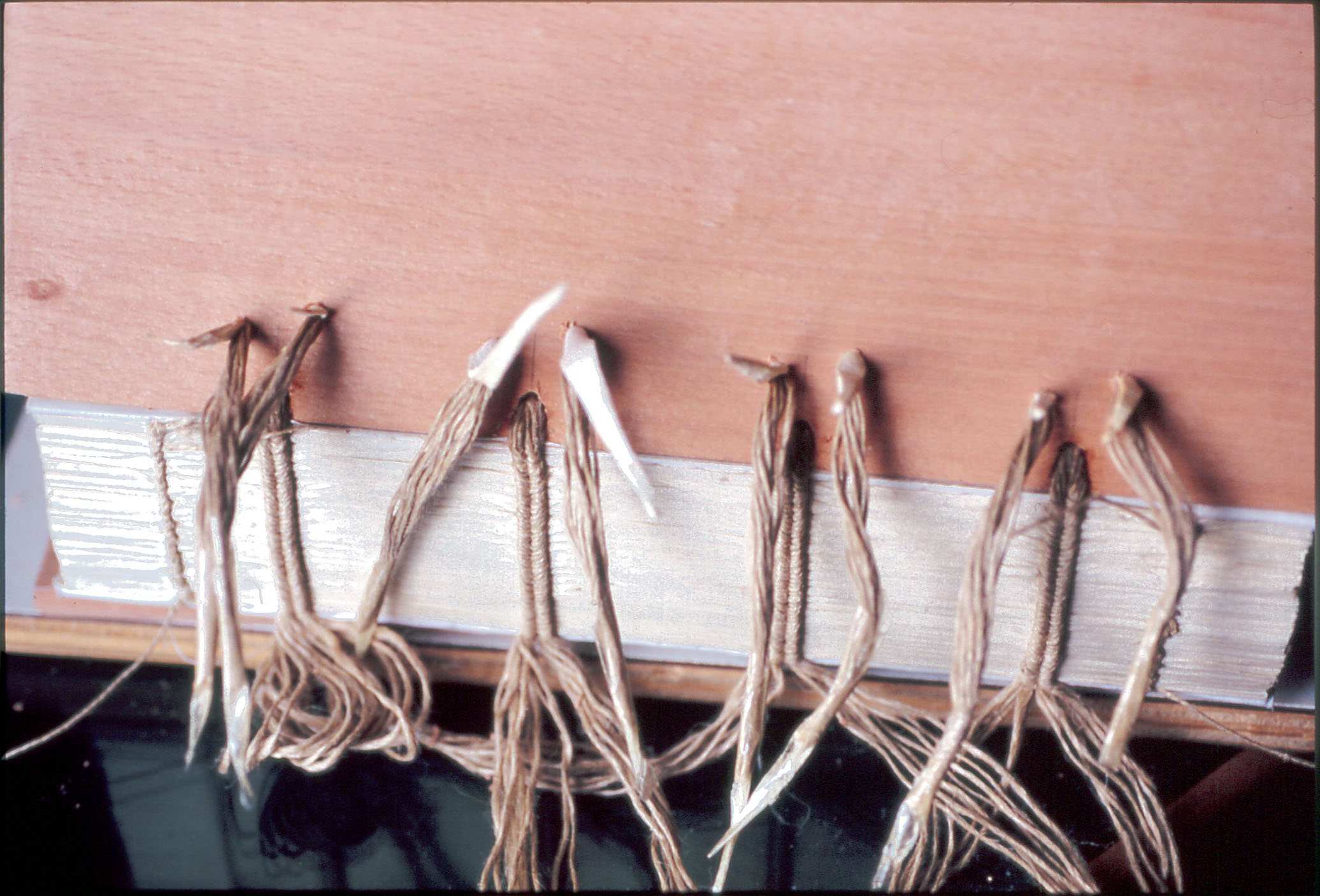
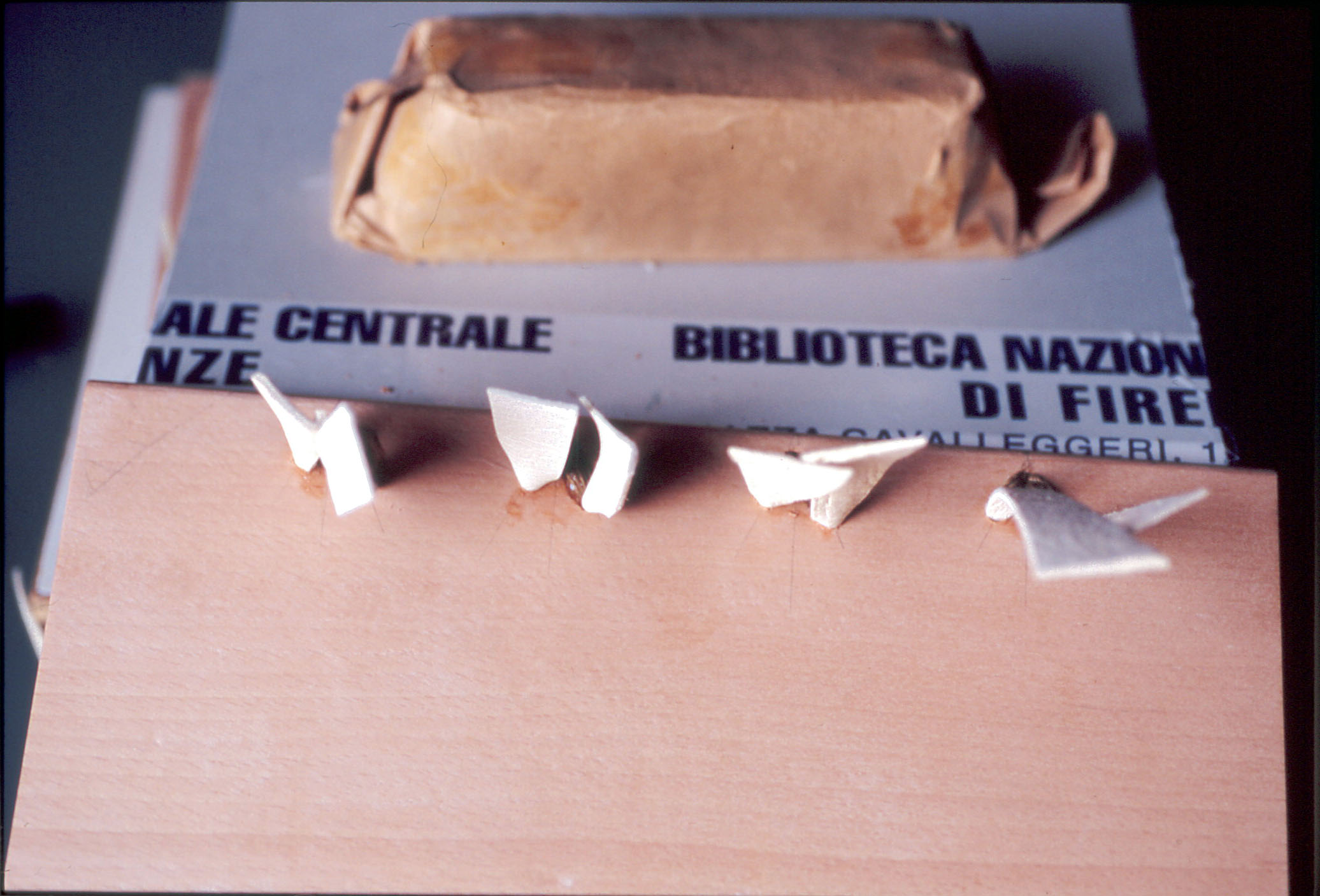
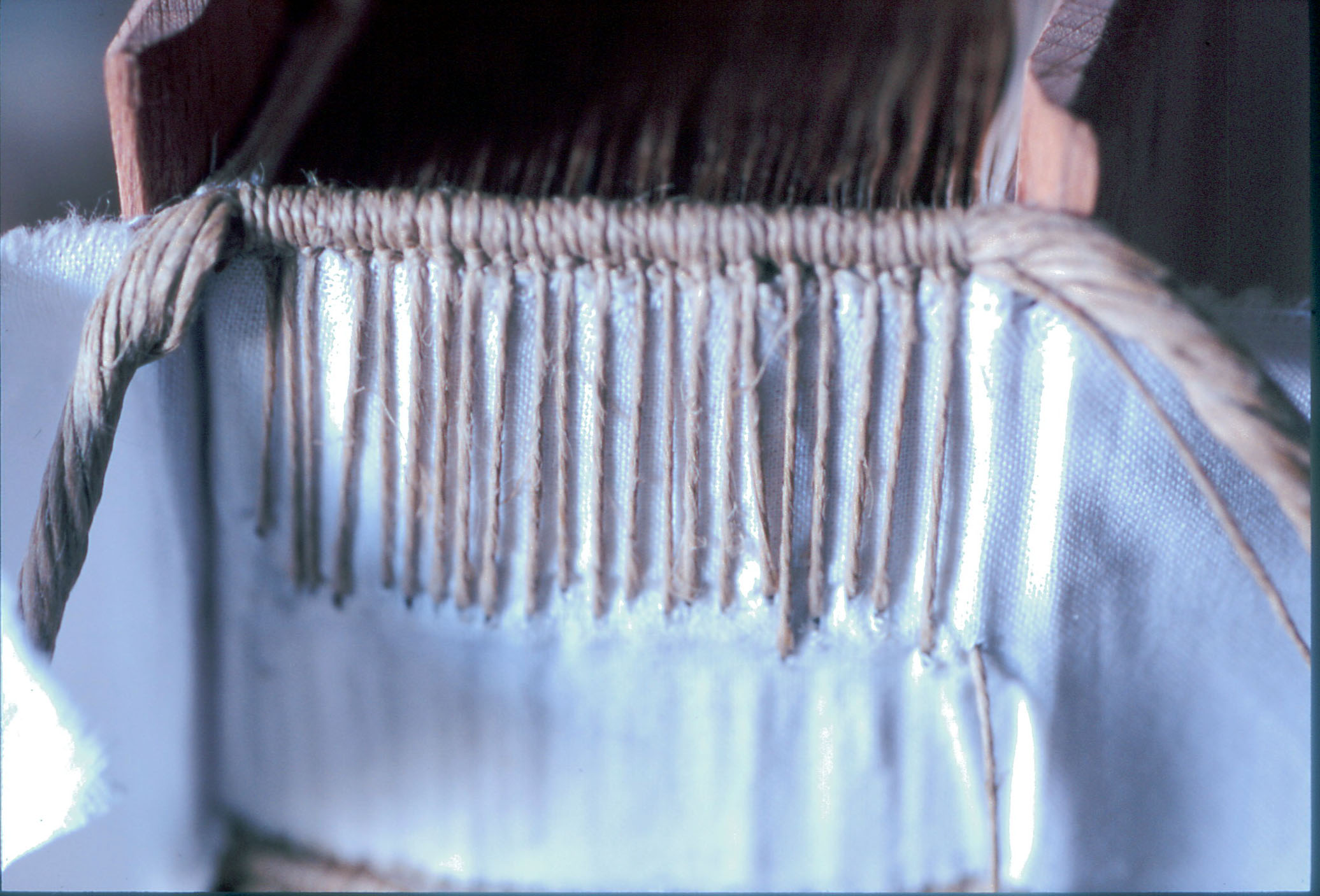
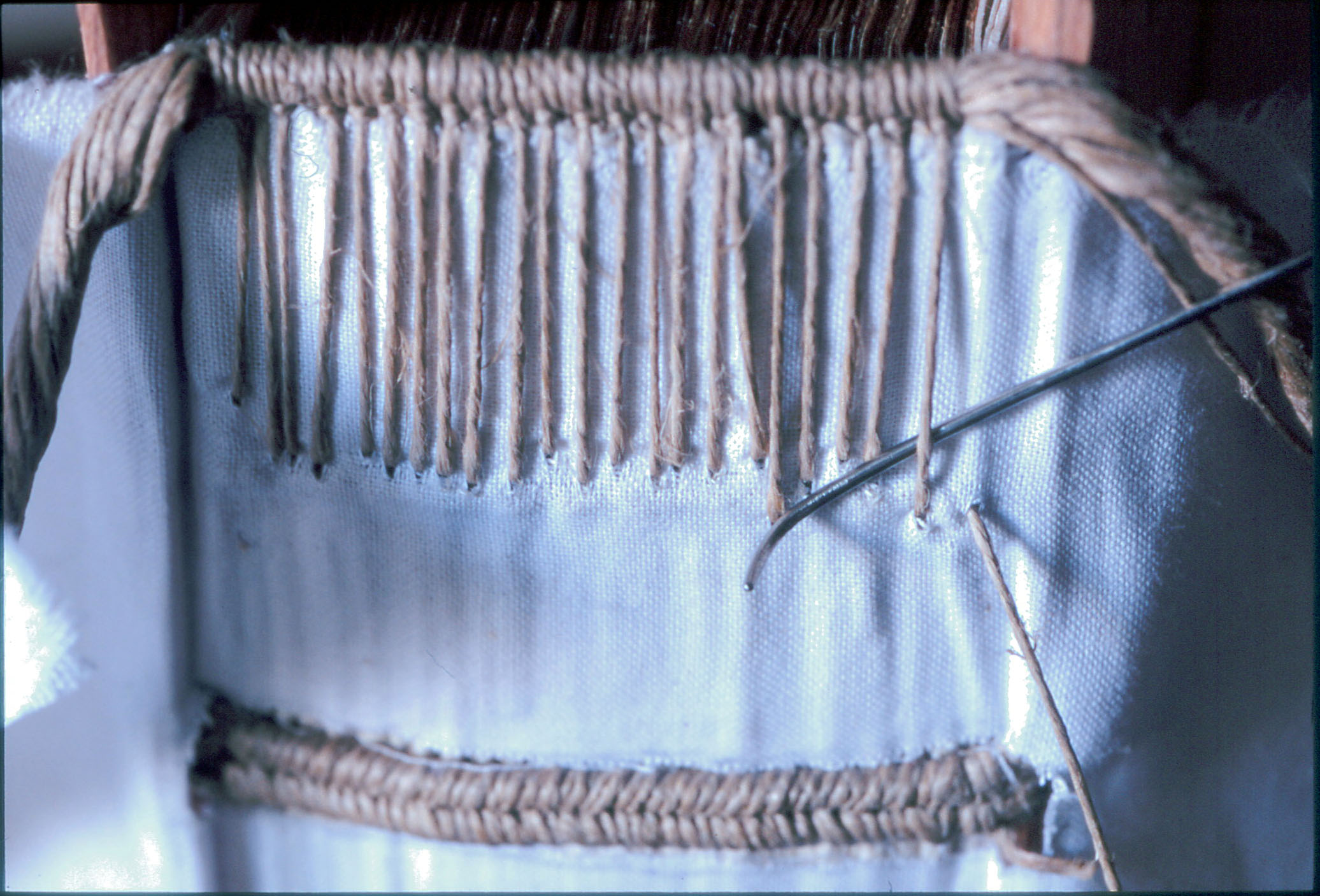
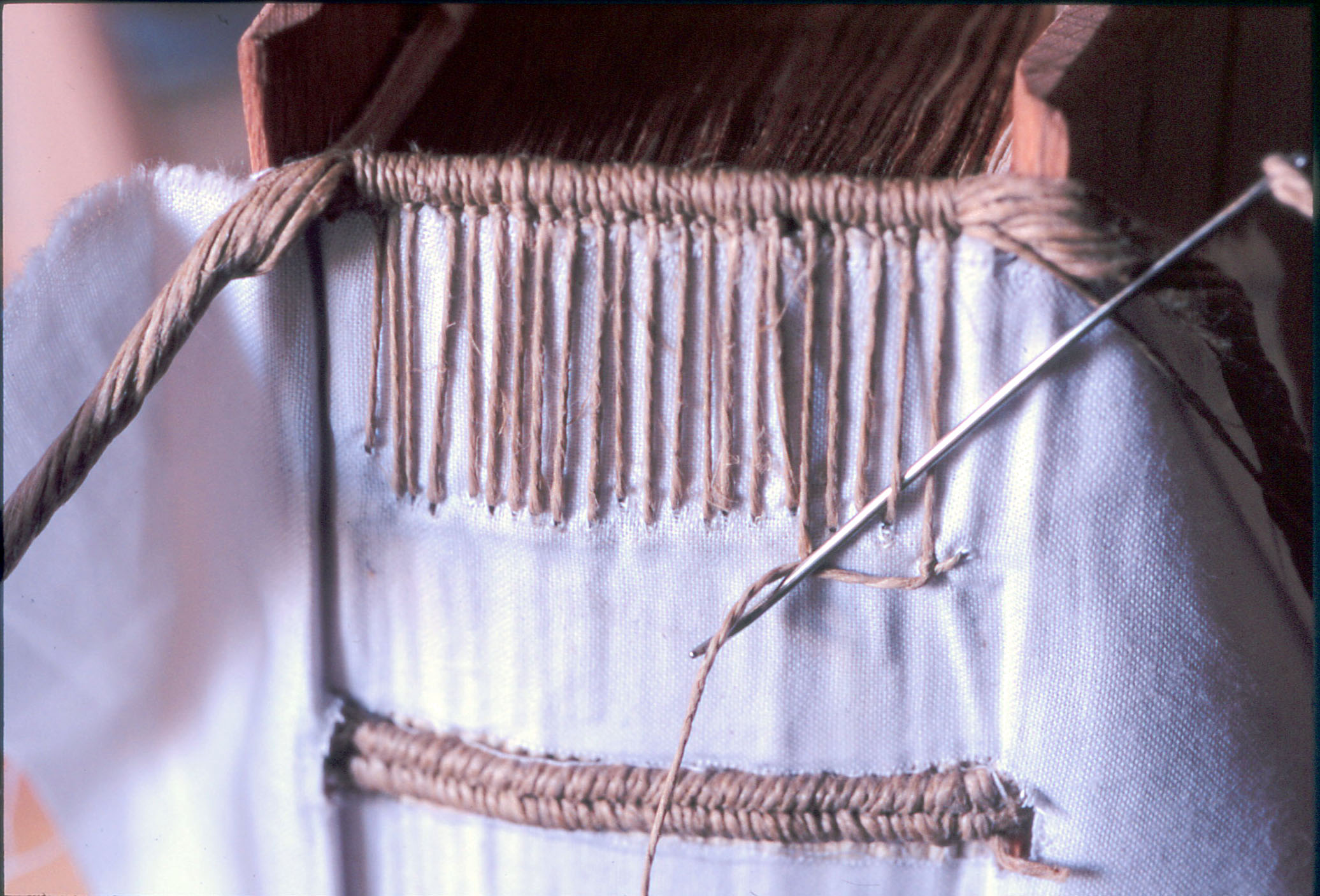
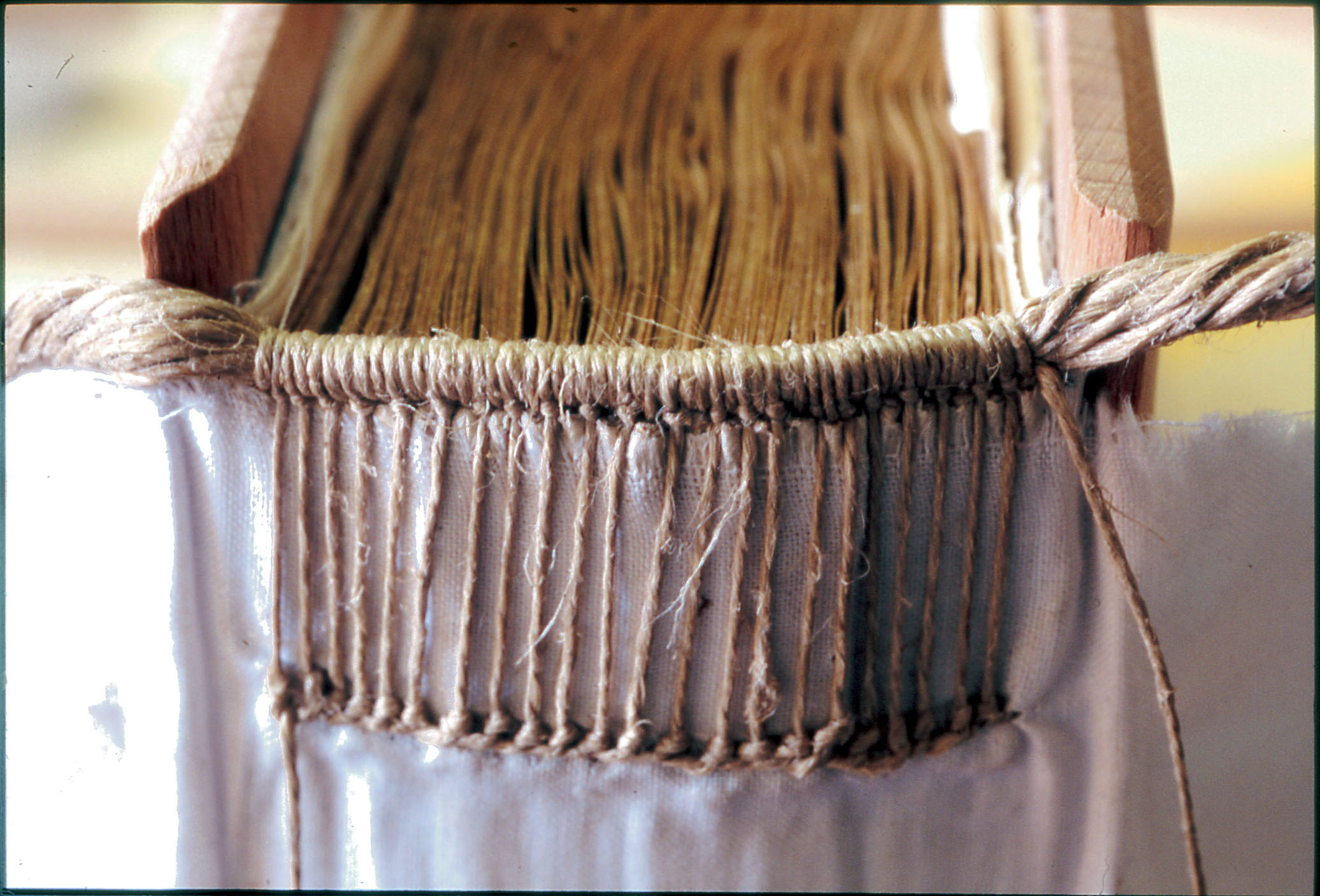
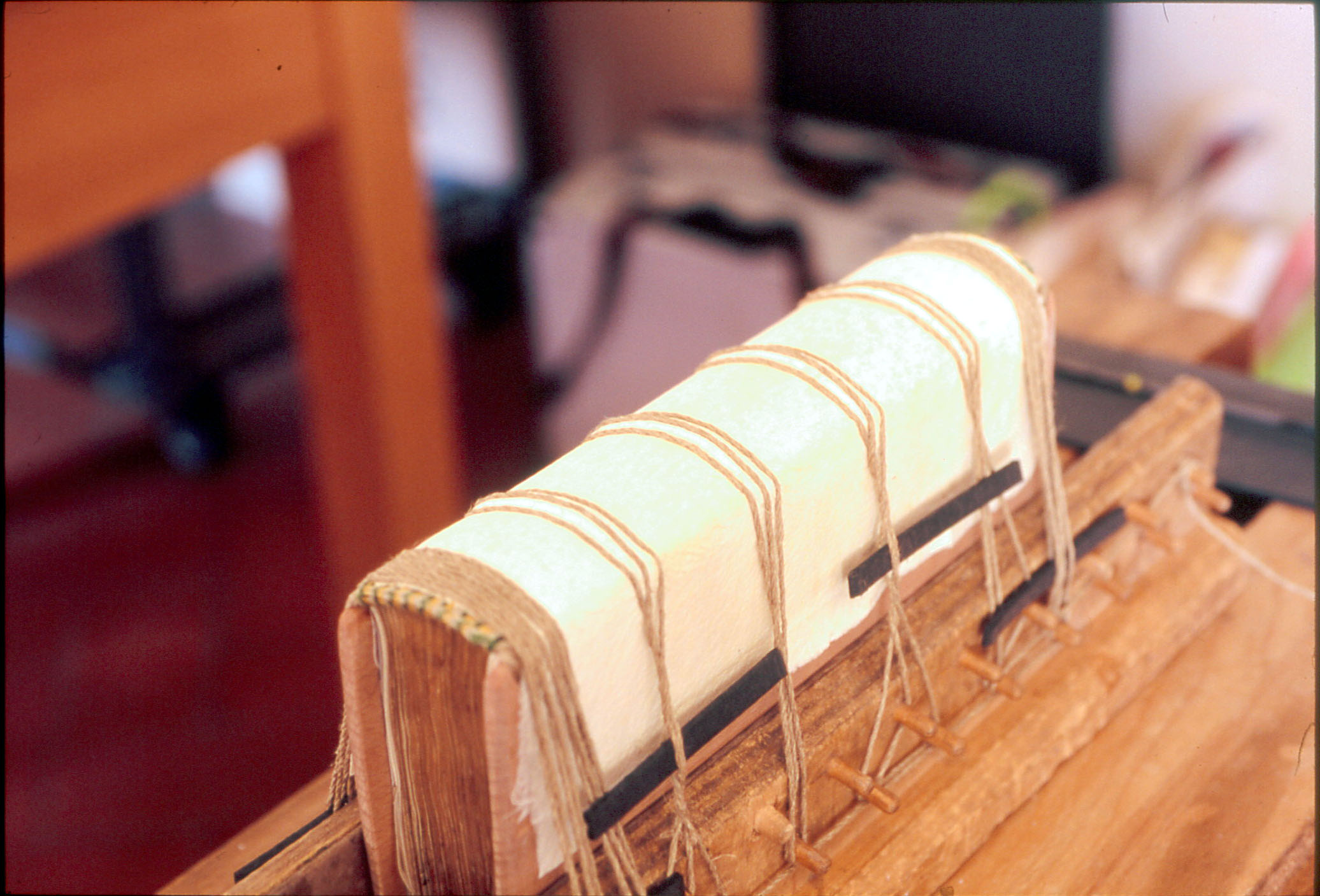
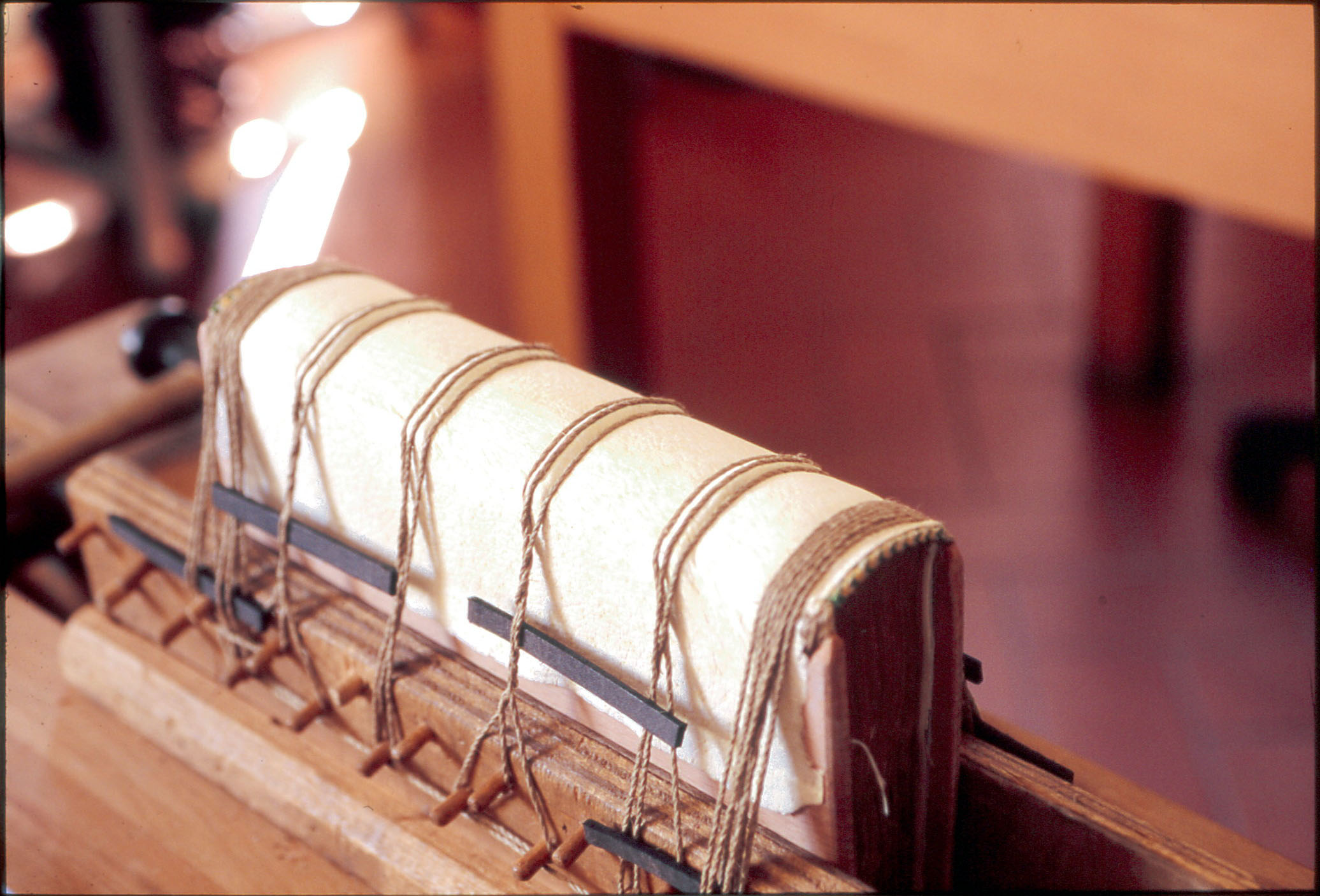
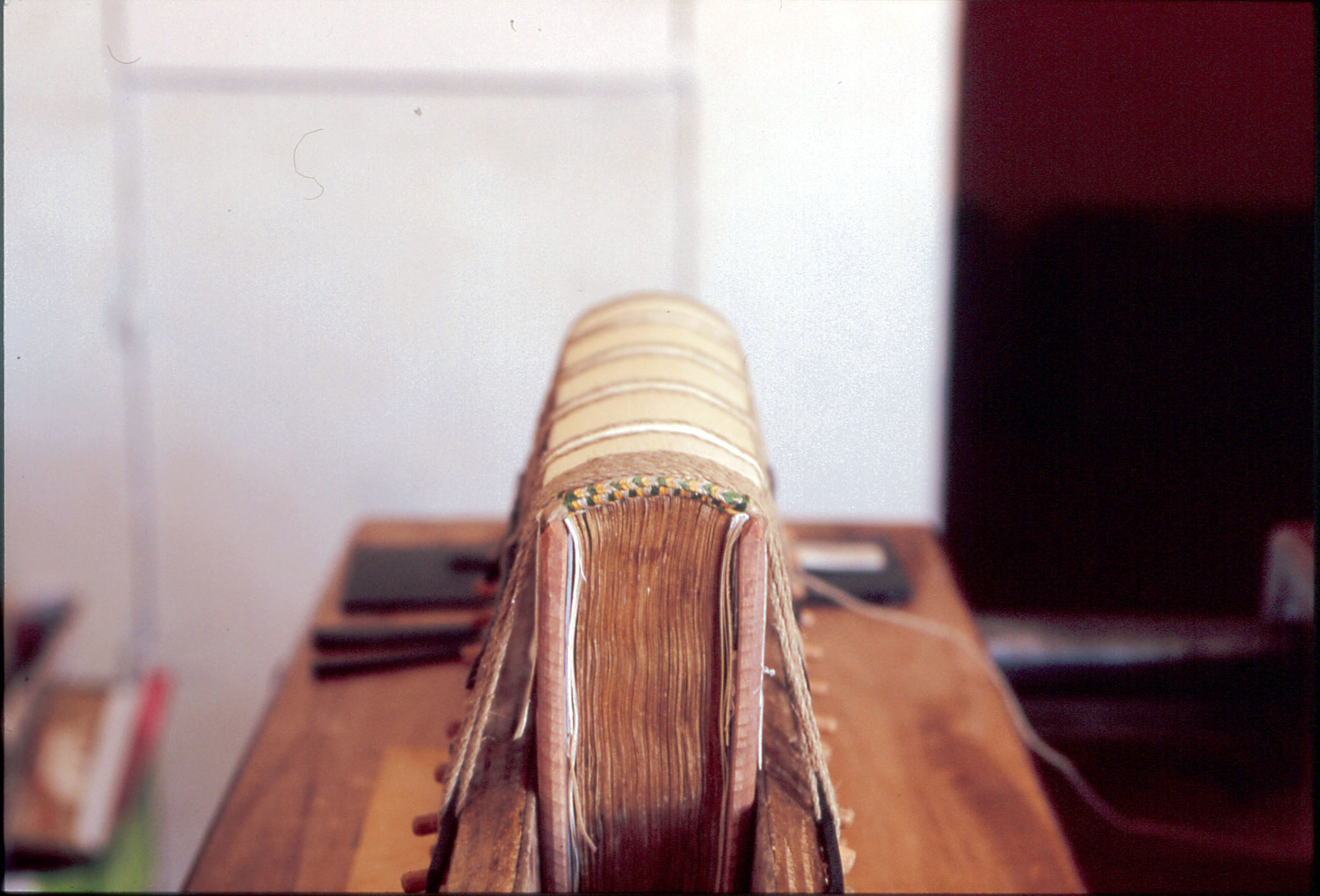
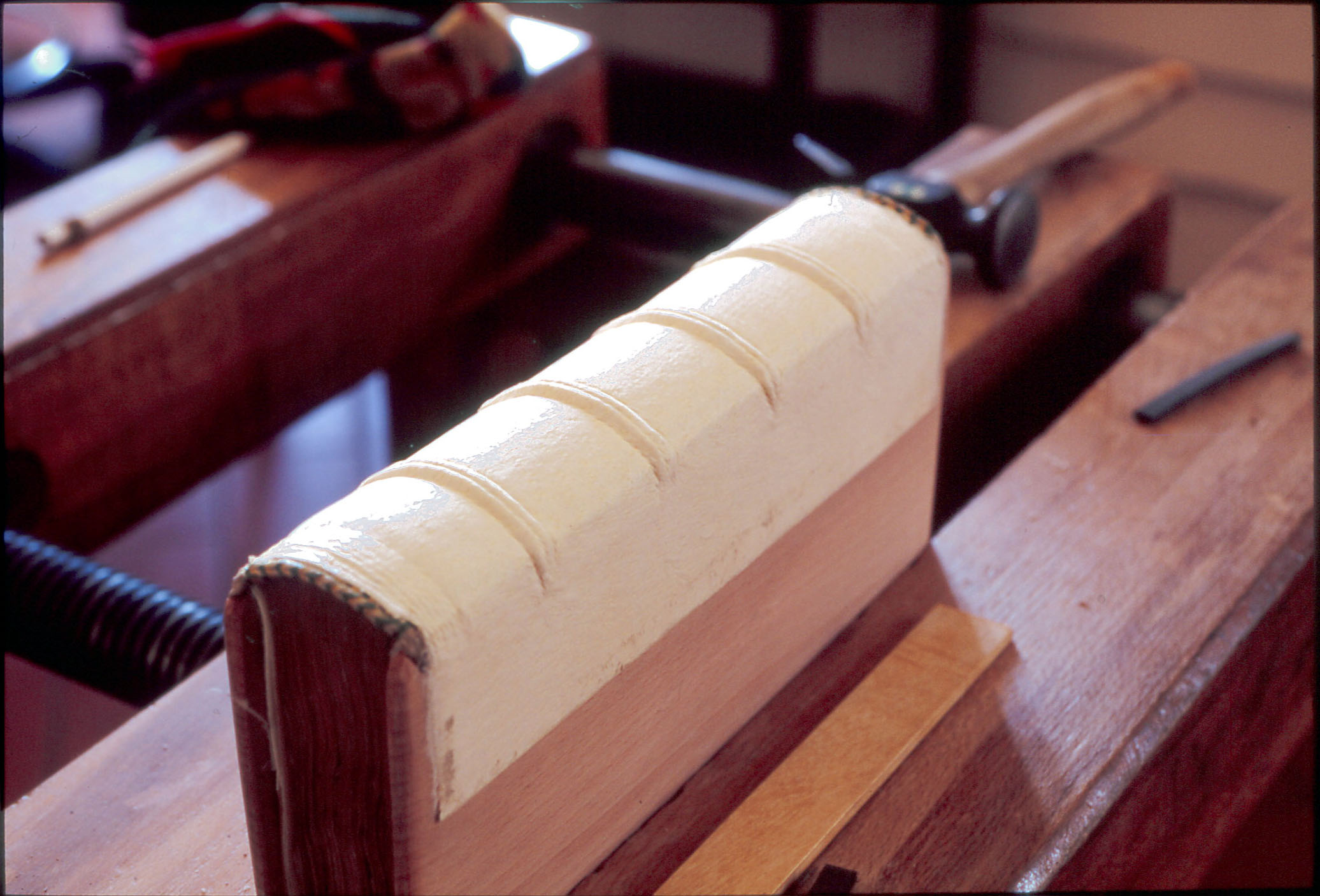
The Psalter of St. Romuald, which dates back to the 9th century, was the subject of a restoration project involving the National Central Library of Florence, the “Nello Carrara” Institute of Applied Physics of the Italian National Research Council, the Semi-precious Stone Workshop of Florence and the Ca’ Foscari University of Venice, with the collaboration of Father Ubaldo Cortoni of Camaldoli.
The manuscript, believed to have been written by St. Romuald, is kept as a relic in Camaldoli. A page was donated to the monastery of San Michele di Murano in the 17th century, and was later returned. A final section has been lost, but one page is currently held in the Martin Schoyen Collection, Oslo.
The Psalter is written with black and red ink on parchment, and has suffered significant deterioration. The modern pages present were added following the removal of a sheet. The manuscript shows signs of biological decay, alteration of the red ink, distortion and previous attempts at restoration.
The restoration project saw the dismantling of the volume to allow previous restorations and adhesives to be removed. Various diagnostic studies, conducted with the support of IFAC-CNR, allowed the inks to be identified and the legibility of the writing in red to be improved through techniques such as UV fluorescence. The images were processed, and a DVD was created to facilitate study.
The restoration process involved mending with washi, the removal of previous restoration attempts and the reconstruction of the sections. The volume was bound with twin-needle stitching, reinforced with strips of washi. The manuscript was covered in alum goatskin, and new brass clasps were made. A dedicated clamshell box was made to store the volume together with documentation related to page 176.
For further details, see https://edizionicafoscari.unive.it/media/pdf/books/978-88-6969-216-1/978-88-6969-216-1-ch-17_CP57yDo.pdf
Past collaboration projects
- 2019-2021 Ifac Cnr diagnosis (funded by the Israel Museum of Jerusalem) for the restoration and exhibition of the library’s Torah scroll Cl.III.43
- 2019-20 Teaching services at the OPD School of Higher Education as part of the PFP 5 course
- 2011-19 Drying of the flood-damaged collections of the Notary Archive of Aulla and of part of the historic archives of the municipality of Aulla
- 2016 Participation in the course and convention organised by the Vatican Library on the Marega project
- 2016 The Jewish Community of Florence, supervision of restoration works on flood-damaged books
- 2016 Marucelliana Library supervision of book restoration works
- 2016 Lucca course for Civil Protection volunteers in collaboration with the regional secretariat for Tuscany of the Ministry of Cultural Heritage and Activities and Tourism
- 2004-13 Teaching services for the course for library restoration workers held by the Cremona branch of the Lombardy Region Professional Training Centre
- 2001-15 Consultancy services for the Tuscany Region regarding matters of conservation and restoration for the Region’s libraries, as part of the agreement between the Tuscany Region and the National Central Library of Florence
- 2013-15 Participation in the Google books digitalisation project
- 2013 Guest participation in the course in West Asian Bookbinding held by Kristine Rose and Gaia Petrella
- 2013 Guest participation in the course in Tracing Paper Restoration held by Antonio Mirabile
- 2012 Archival Superintendency of Genoa, supervision of freeze-drying operations
- 2010-12 ICCROM salvaging library and archive collections for the course first aid to cultural heritage in times of crisis
- 2010 The Intronati Municipal Library of Siena, organisation of seminars dedicated to the conservation of library collections
- 2010 – Internships for the University of Pardubice, Czech Republic
- 2009 Teaching services for the course for restorers of library material, documents and works of art on paper held at the Regional Centre for the cataloguing and restoration of cultural heritage Villa Manin di Passariano, Esedra di ponente, Passariano di Codroipo (UD)
- 2008 Teaching services for the course “Planning for the restoration of archive and library materials” for operators responsible for planning book restoration works for archives and libraries.
- 2007-08 Teaching services for the course for library restoration workers held by the Cremona branch of the Lombardy Region Professional Training Centre
- 2007 Apprenticeships for staff from the Dar El Kotob National Library of Egypt in collaboration with the Embassy in Cairo
- 2007 Teaching services for the training course Planning and implementing training programmes for the role of “Risk Manager and for the development of standard protocols and procedures related to emergency action for protecting cultural heritage in emergency situations” held at the Public Administration School, Villa Umbra Perugina
- 2006 Participation in the ministerially appointed working group for the setting of an appraisal form for the monitoring of book deposits of the libraries and archives of the Ministry for Cultural Heritage and Activity
- 2005 Apprenticeships for three librarians from the National Library of Baghdad, Iraq, in collaboration with “Un Ponte Per” in the wake of damage to the National Library of Baghdad during the war
- 2005 Teaching services for the training course for “Senior technicians for the restoration of documentation on paper and/or parchment”, based in Viterbo and organised by CESCOT Lazio (Centre for Commercial, Tourism and Tertiary Development)
- 2004 Teaching services for the course on the conservation of collections for the personnel of the Libraries at the University of Florence
- 2003 Participation in the ministerially appointed working group (National Central Library of Florence, Photocopying, Binding and Restoration Centre for the State Archives and Central Institute for Archive and Book Pathology) for the drawing up of technical specifications for the restoration of antique books and documentation, and relative timing.
- 2002-05 Teaching services for the course for library restoration workers held by the Cremona branch of the Lombardy Region Professional Training Centre
- 2002 Teaching services for the course for paper restoration workers organised by the Professional Training Centre of the Provincial Administration of Massa Carrara
- 2000 Teaching services for the personnel of the National Library of Mali (Kuala Lumpur)
- 1999 Teaching services for the course for paper restoration workers organised by the Professional Training Centre of the Provincial Administration of Pisa
- 1999 Teaching services for the course for paper restoration workers organised by the Professional Training Centre of the Provincial Administration of Massa Carrara
- 1997 Apprenticeships for 11 disabled people and 3 tutors as part of the Horizon Project
- 1995 Coordination for the salvaging of books damaged in the flooding of the Academy of Georgofili library
- 1995 Piedmont Region, provision of expertise for the flood-damaged books at the Archiepiscopal Seminary of Alessandria
- 1995 Participation in refresher courses organised by the ICPL for level 4, 6 and 7 restorers
- 1994-95 Teaching services for the course for library restoration workers held by the Cremona branch of the Lombardy Region Professional Training Centre
- 1994 Teaching services for the course for paper restoration workers organised by the Professional Training Centre of the Provincial Administration of Pisa, based in Volterra
- 1993 Coordination for restoration operations involving bomb-damaged books belonging to the Academy of Georgofili
- 1992 Teaching services for the European specialised training course for library material conservation-restoration workers, based in Spoleto
- 1991 Drawing up of specifications for the restoration of antique materials, and relative timing, as part of the working group organised by ICPL and the BncF
- 1990 Survey of Medieval bindings in Tuscany on behalf of the Central Institute for Archive and Book Pathology
- 1990 Teaching services for the training course for restorers and technical operators organised by the Autonomous Region of Sardinia
- 1990 Teaching services for the specialised course for library material restorers organised by the Tuscany Region and held at the National Library
- 1981-83 Participation in the codicological-archaeological research team studying manuscripts at the Malatestiana Library of Cesena
Contacts
Protection, Conservation, Prevention and Restoration sector
Via Tripoli 36
50122 Florence
tel. (+39) 055 24919 65
bnc-fi.restauro@cultura.gov.it